
























Primordial mini-moons may explain meteorite composition
20h agoen
From the article
A new Southwest Research Institute-led study proposes a solution to a longstanding puzzle in planetary science: What caused the concentration, assembly, and preservation of millimeter-sized, spherical mineral grains within the parent bodies of the most common meteorites? The work is published in the journal Science Advances.
Continue reading on PhysYou might also wanna read


VLT Study Reveals Dramatic Nickel Emission and CN Outgassing in Interstellar Comet 3I/ATLAS
Astronomers using the Very Large Telescope (VLT) have conducted spectroscopic observations of interstellar comet 3I/ATLAS (C/2025 N1) as it
 arxiv.org·10mo ago
Solar Wind Ion Sputtering from Airless Planetary Bodies: New Insights into the Surface Binding Energies for Elements in Plagioclase Feldspars
doi.org·1y ago
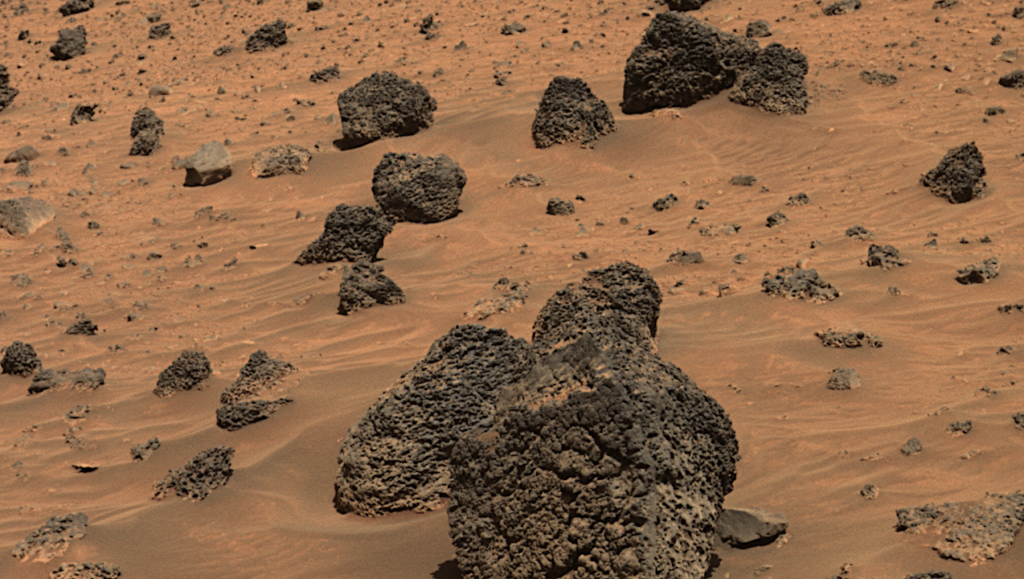
Martian Organic Geochemistry: Contextualizing Recent Organic Molecule Discoveries in the Search for Life's Origins
This review article examines recent findings of organic molecules in martian meteorites and from Mars rover missions, contextualizing them w
 astrobiology.com·18d ago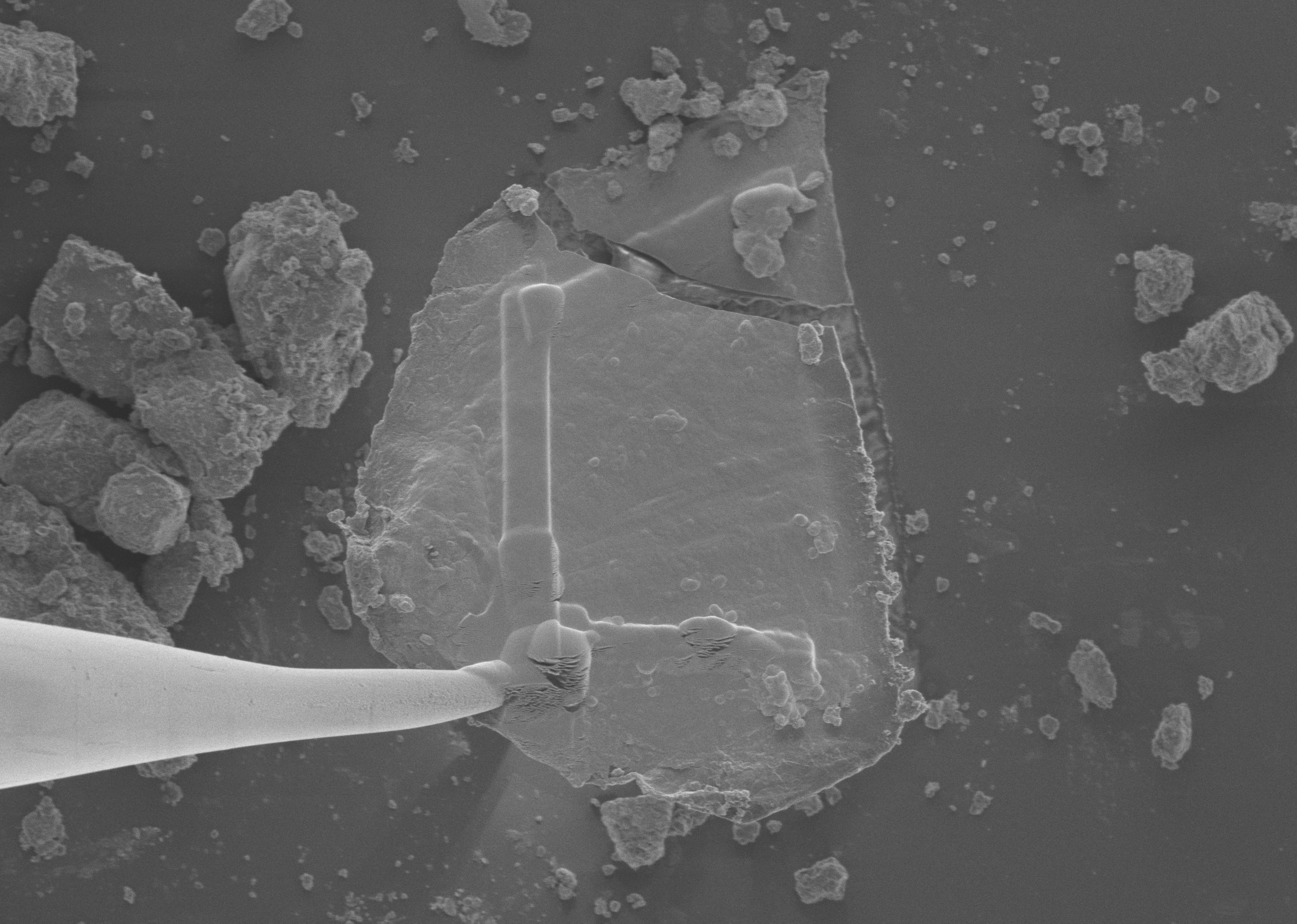
NASA Discovers Sugars and Unique Compounds in Asteroid Bennu Samples
NASA's OSIRIS-REx mission has delivered asteroid Bennu samples containing three significant discoveries: sugars essential for biology, a pre
 nasa.gov·7mo ago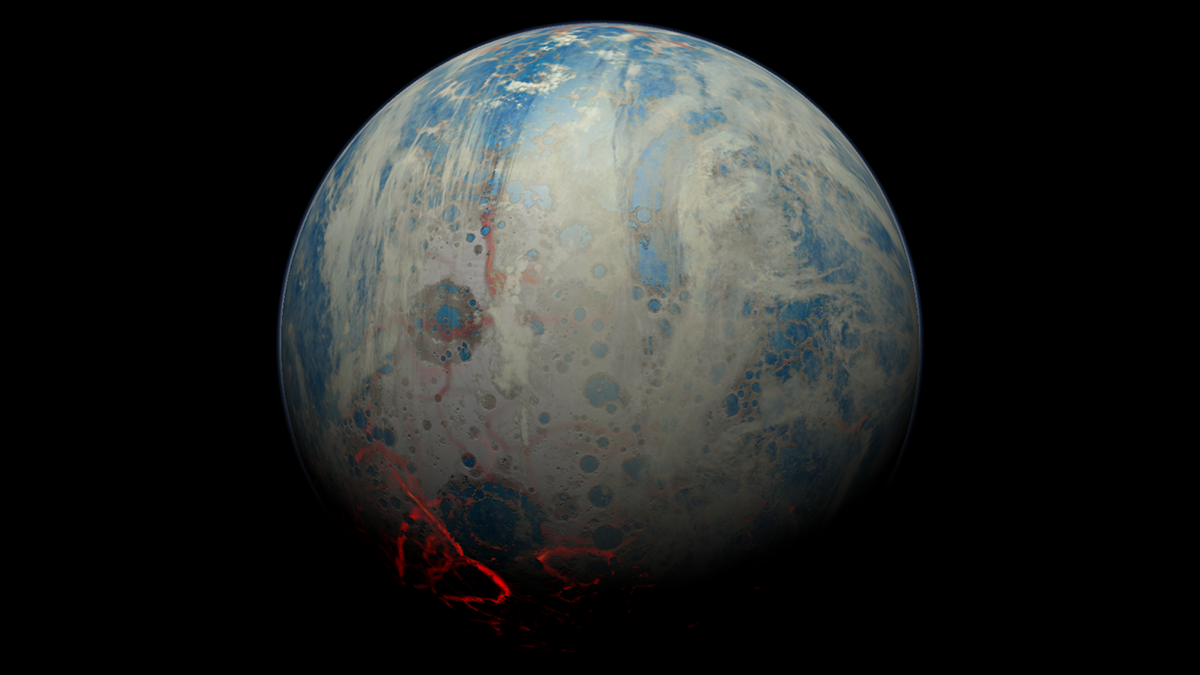
Study: Early Earth's Asteroid Impacts May Have Enabled Prebiotic Chemistry
A new study published in AGU Advances examines how asteroid and planetesimal impacts during Earth's Hadean and Archean eons (4.6 to 3.5 bill
 eos.org·1mo ago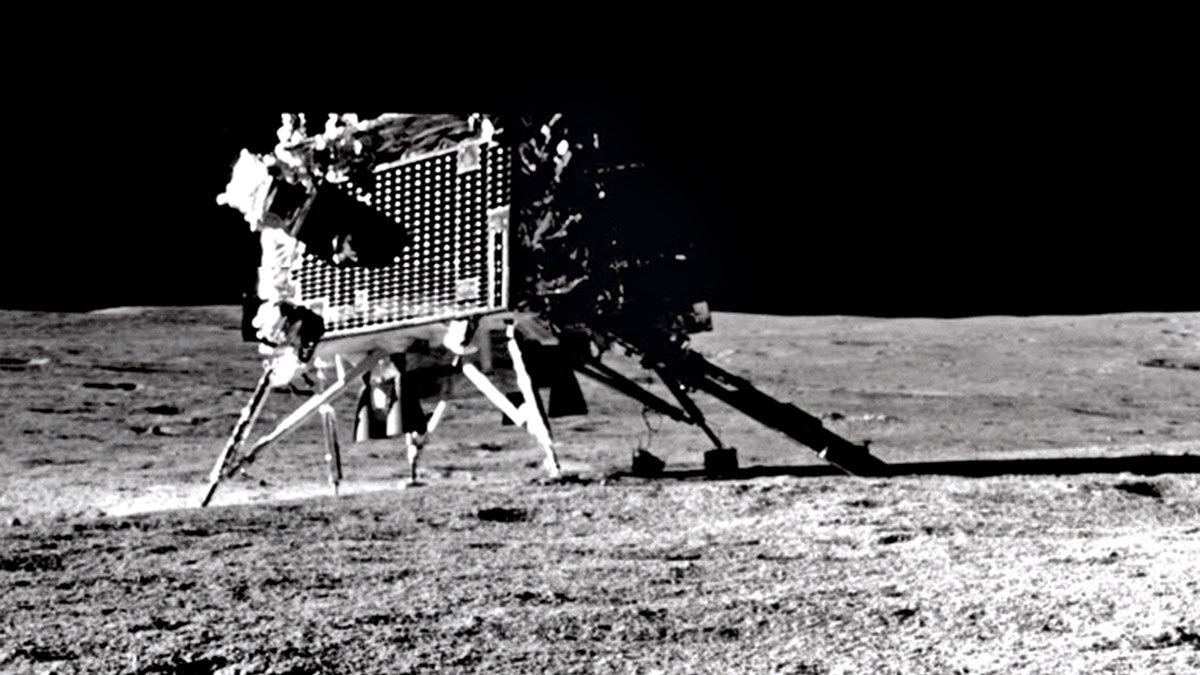
Chandrayaan-3 soil analysis links landing site to first known lunar meteorite
A new study reveals that the soil analyzed by Chandrayaan-3's Pragyan rover at the Shiv Shakti Station on the Moon's southern high-latitudes
 indiatoday.in·3d ago
Comments
Sign in to join the conversation.
No comments yet. Be the first.