
























Single mild gut infection increases blood-brain barrier permeability and triggers brain inflammation in Parkinson's disease mouse model
By
Sriparna Mukherjee,
Summary
This study investigates the link between gastrointestinal infections and Parkinson's disease (PD) by examining how a single mild infection with Citrobacter rodentium affects blood-brain barrier (BBB) permeability and brain inflammation in Pink1 knockout (KO) and wild-type mice. Using gadolinium-enhanced MRI, the researchers found increased BBB permeability in specific brain regions at 26 days post-infection. While tight-junction and dopamine-related proteins remained unchanged, they observed altered synaptic gene expression, chronic microglial activation, elevated inflammatory markers, and neutrophil infiltration in the brain. The findings suggest that even mild gut infections can increase BBB permeability and potentially enable immune cell infiltration into the brain, which may exacerbate pathways implicated in PD development, particularly in individuals with genetic risk factors like Pink1 mutations.
Source
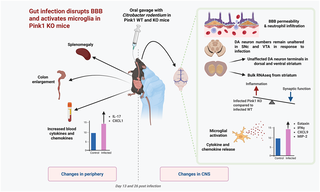
 Twitter / XSingle mild gut infection increases blood-brain barrier permeability and triggers brain inflammation in Parkinson's disease mouse modeljournals.plos.org
Key quotes
· 3 pulledWe hypothesize that immune system activation is linked to the development of Parkinson's disease (PD).
Previous work revealed that repeated gastrointestinal infections with Citrobacter rodentium causes PD-like symptoms and immune cell invasion in the brain of Pink1 knockout (KO) mice.
Our findings suggest that even mild gastrointestinal infections can increase BBB permeability, potentially enabling immune cell infiltration into the brain and exacerbating pathways implicated in the development of PD, particularly among individuals with genetic risk factors.
You might also wanna read


Microbiome signature of Parkinson’s disease in healthy and genetically at-risk individuals - Nature Medicine

Study reveals antibiotics disrupt gut microbiome by increasing pancreatic protease activity across IBD and non-IBD patients
This study investigates how antibiotics disrupt the gut microbiome and trigger inflammatory bowel disease (IBD)-like proteolytic activity. U
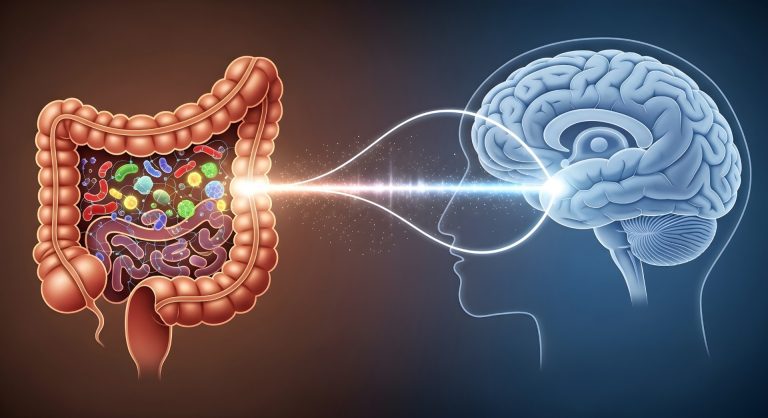
Stanford Study: Restoring Gut-Brain Communication Reverses Cognitive Decline in Aging Mice
Stanford Medicine researchers discovered that aging-related changes in gut bacteria composition trigger an inflammatory response that impair
 med.stanford.edu·3mo ago
Advances in Brain-on-a-Chip and BBB-on-a-Chip Models for Neurodegenerative Disease Research
This article reviews recent progress in brain-on-a-chip and blood-brain barrier (BBB)-on-a-chip microphysiologic platforms for modeling neur
 journals.sagepub.com·10d ago
La conexión entre la microbiota intestinal y la calidad del sueño
El artículo explora la conexión entre la microbiota intestinal y la calidad del sueño, señalando que el intestino y el cerebro mantienen una
 elcomercio.pe·21d ago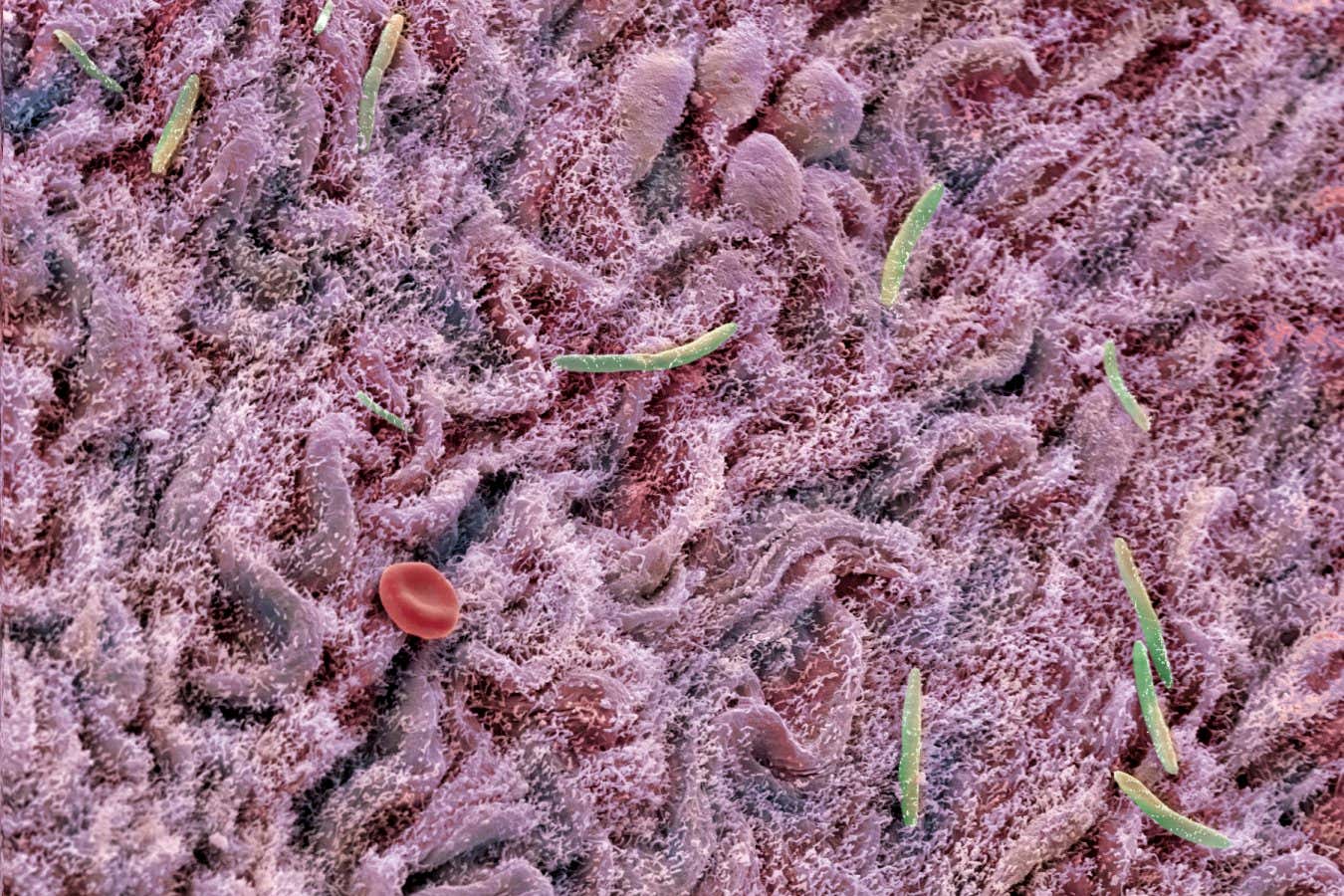
Study finds faecal microbiome transplants from young mice improve brain plasticity in older mice
A study has shown for the first time that older mice given faecal microbiome transplants (FMT) from younger mice experienced improved brain
 newscientist.com·9d ago
Study finds faecal microbiome transplants from young mice improve brain plasticity in older mice
A study has shown for the first time that older mice given faecal microbiome transplants (FMT) from younger mice experienced improved brain
newscientist.com·9d ago
Comments
Sign in to join the conversation.
No comments yet. Be the first.