
























Stanford Study: Restoring Gut-Brain Communication Reverses Cognitive Decline in Aging Mice
Aging causes changes in gut bacteria in mice, which hampers communication between the intestines and the brain. Restoring this connection helped old mice form memories as well as young animals.
Read the full articleYou might also wanna read


Aging gut bacteria numb the vagus nerve and drive memory loss in mice
A shifting gut microbiome in aging mice creates localized inflammation that numbs the vagus nerve. Without regular sensory signals from the
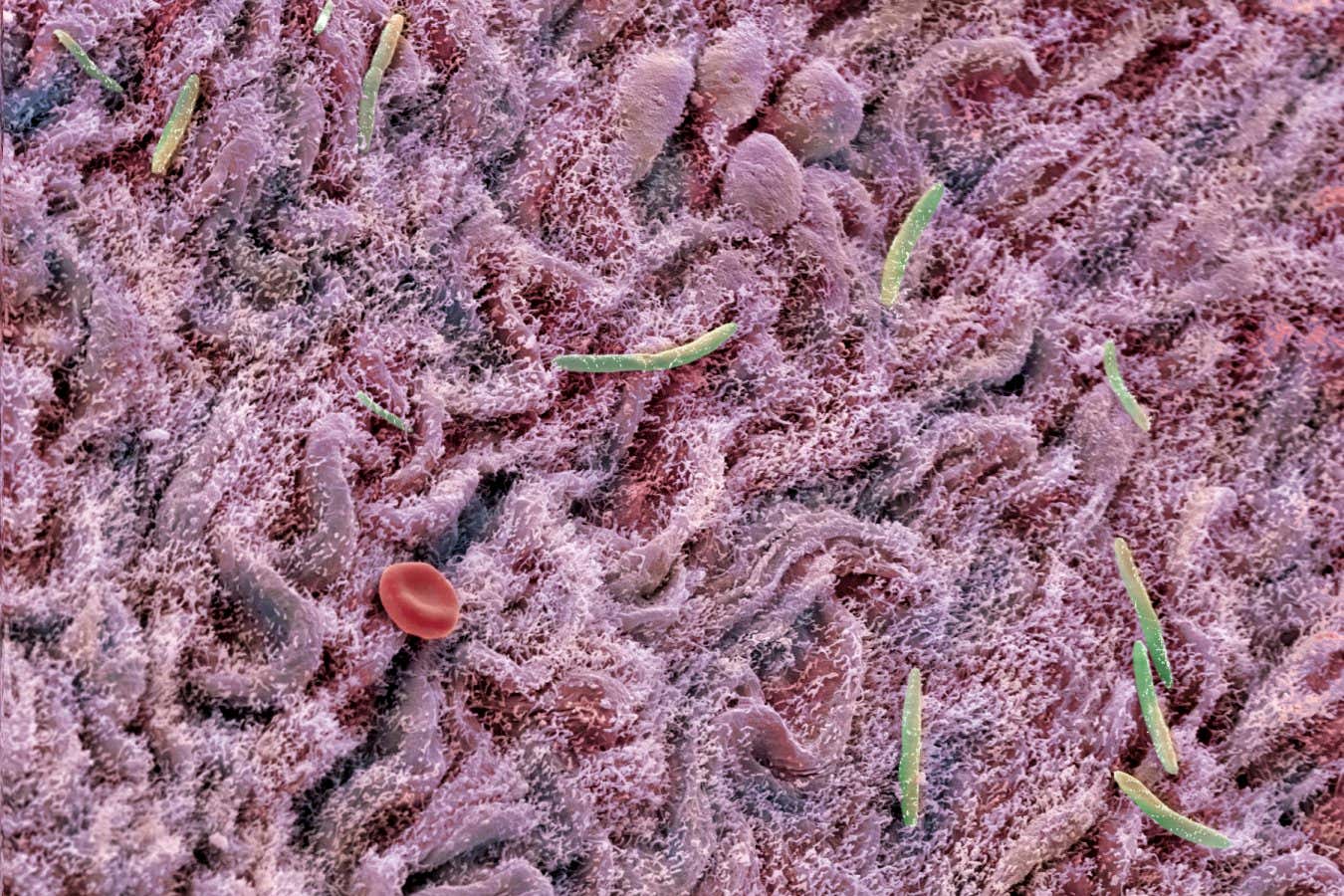
Study finds faecal microbiome transplants from young mice improve brain plasticity in older mice
Older mice that received a faecal microbiome transplant from younger animals went on to have improved brain plasticity, which suggests their
 newscientist.com·21d ago
Study finds faecal microbiome transplants from young mice improve brain plasticity in older mice
Older mice that received a faecal microbiome transplant from younger animals went on to have improved brain plasticity, which suggests their
newscientist.com·21d ago
Study in mice finds chronic stress may accelerate immune system aging through gut-brain-bone marrow pathway
Scientists trace how chronic stress ages blood stem cells in mice, pointing to gut bacteria and a compound called spermidine.
 studyfinds.com·2d ago
Examining whether prebiotics, probiotics, and postbiotics can support the ageing gut microbiome
The disruption of your gut microbiome is a major consequence, and possible cause, of ageing. Columnist Graham Lawton looks into recent trial
newscientist.com·22d agoExamining whether prebiotics, probiotics, and postbiotics can support the ageing gut microbiome
The disruption of your gut microbiome is a major consequence, and possible cause, of ageing. Columnist Graham Lawton looks into recent trial
newscientist.com·22d agoKnown Ways in Which the Gut Microbiome Influences Aging of Muscle and Brain
Animal studies suggest that the composition of the gut microbiome is at least as important as diet and exercise when it comes to influencing
Study Reveals How Chronic Stress Accelerates Immune Aging Through Gut Microbiome Disruption
A new study uncovers a brain-gut-bone axis where stress accelerates hematopoietic stem cell aging via gut microbes.
 neurosciencenews.com·14d ago
Comments
Sign in to join the conversation.
No comments yet. Be the first.