

























Study finds faecal microbiome transplants from young mice improve brain plasticity in older mice
By
Chris Simms
Summary
A study has shown for the first time that older mice given faecal microbiome transplants (FMT) from younger mice experienced improved brain plasticity. The research suggests that gut microbiomes from younger animals can help older brains overcome conditions like amblyopia (lazy eye), which is typically only treatable in childhood. This links the gut microbiome to brain adaptability and opens new possibilities for age-related neurological treatments.
Source
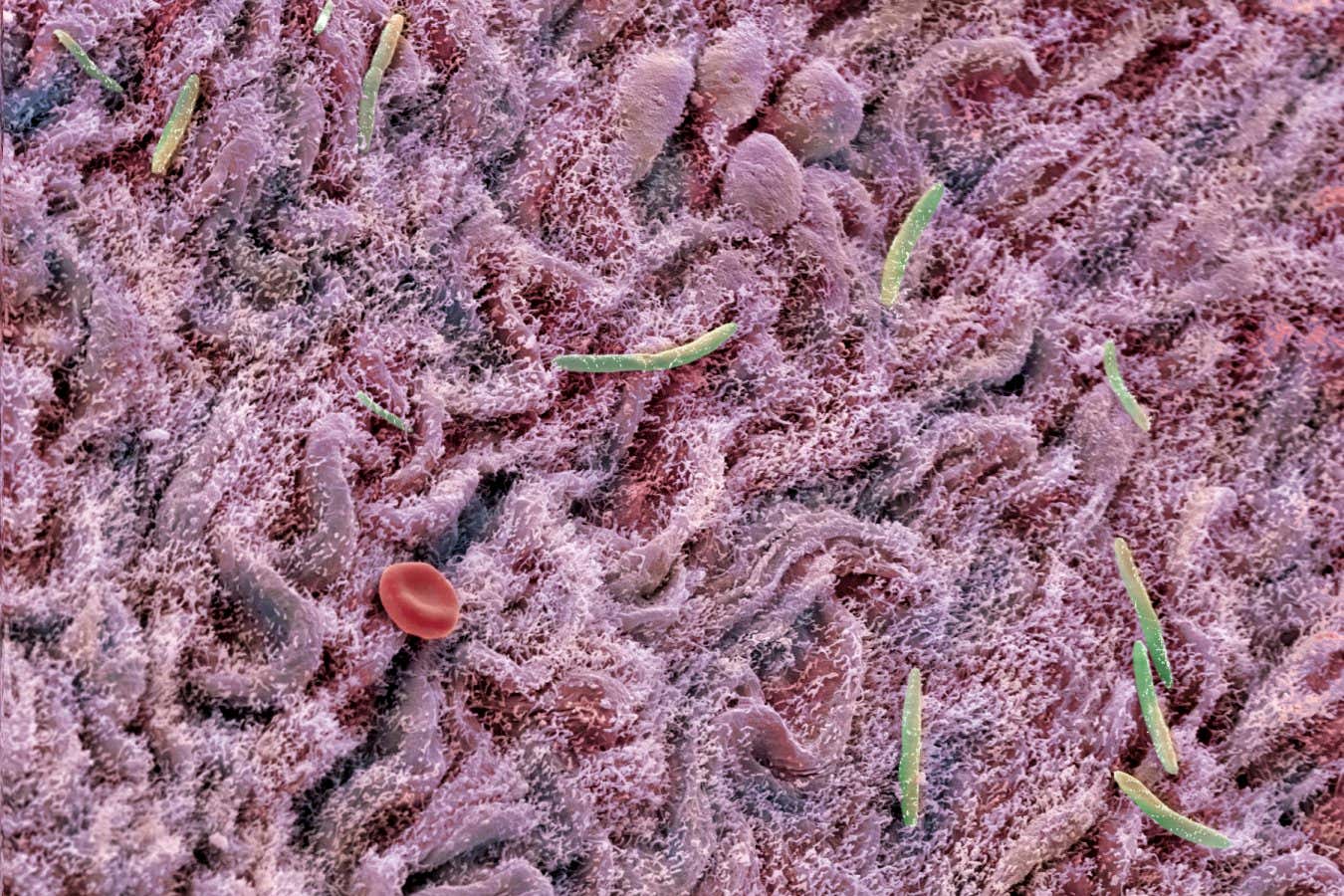
 bskyStudy finds faecal microbiome transplants from young mice improve brain plasticity in older micenewscientist.com
Key quotes
· 3 pulledThis study suggests that microbial communities may help regulate brain plasticity and could potentially overcome conditions typically only treatable in childhood.
A faecal microbiome transplant (FMT) could make an aged brain as adaptable as a young one.
Our gut microbiome has been linked to our risk of depression and may even play a role in shaping our personality.
You might also wanna read

Fecal transplants show promise in reducing autism symptoms as research moves to Phase 3 trials
This article discusses the emerging scientific connection between gut microbiome health and autism spectrum disorder. It highlights new rese
 refractor.io·1mo ago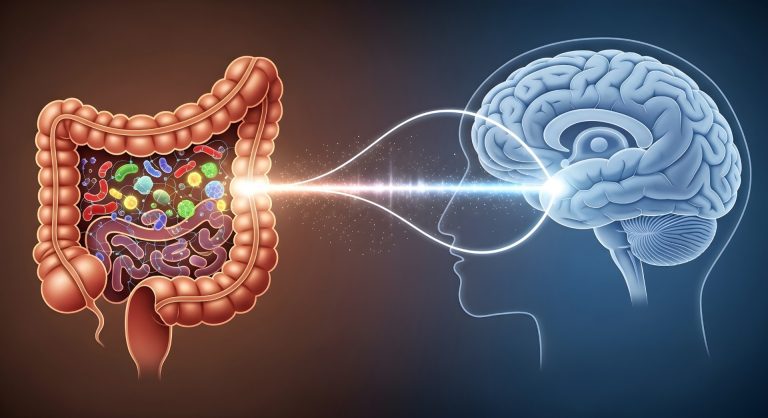
Stanford Study: Restoring Gut-Brain Communication Reverses Cognitive Decline in Aging Mice
Stanford Medicine researchers discovered that aging-related changes in gut bacteria composition trigger an inflammatory response that impair
 med.stanford.edu·3mo ago
Social anxiety disorder-associated gut microbiota increases social fear
UCSF Researchers Identify FTL1 Protein as Key Factor in Brain Aging and Potential Reversal
Researchers at UC San Francisco have discovered that a protein called FTL1 plays a central role in brain aging. In mice studies, older anima

Study Finds Household Cohabitation Is Primary Driver of Microbiome Transmission, Including Diabetes-Linked Bacteria
Researchers mapped the environmental and physical dynamics of human microbiome transmission, proving that household cohabitation is the prim
 neurosciencenews.com·21h ago
Study Finds Household Cohabitation, Not Genetics, Drives Transmission of Diabetes- and Cancer-Linked Microbes
Researchers mapped the environmental and physical dynamics of human microbiome transmission, proving that household cohabitation is the prim
ow.ly·21h ago