
























Fecal transplants show promise in reducing autism symptoms as research moves to Phase 3 trials
An example of the emerging science linking between gut health and autism, exciting new research moving into Phase 3 human trials has found fecal transplants can dramatically reduce its symptoms in…
Read the full articleYou might also wanna read

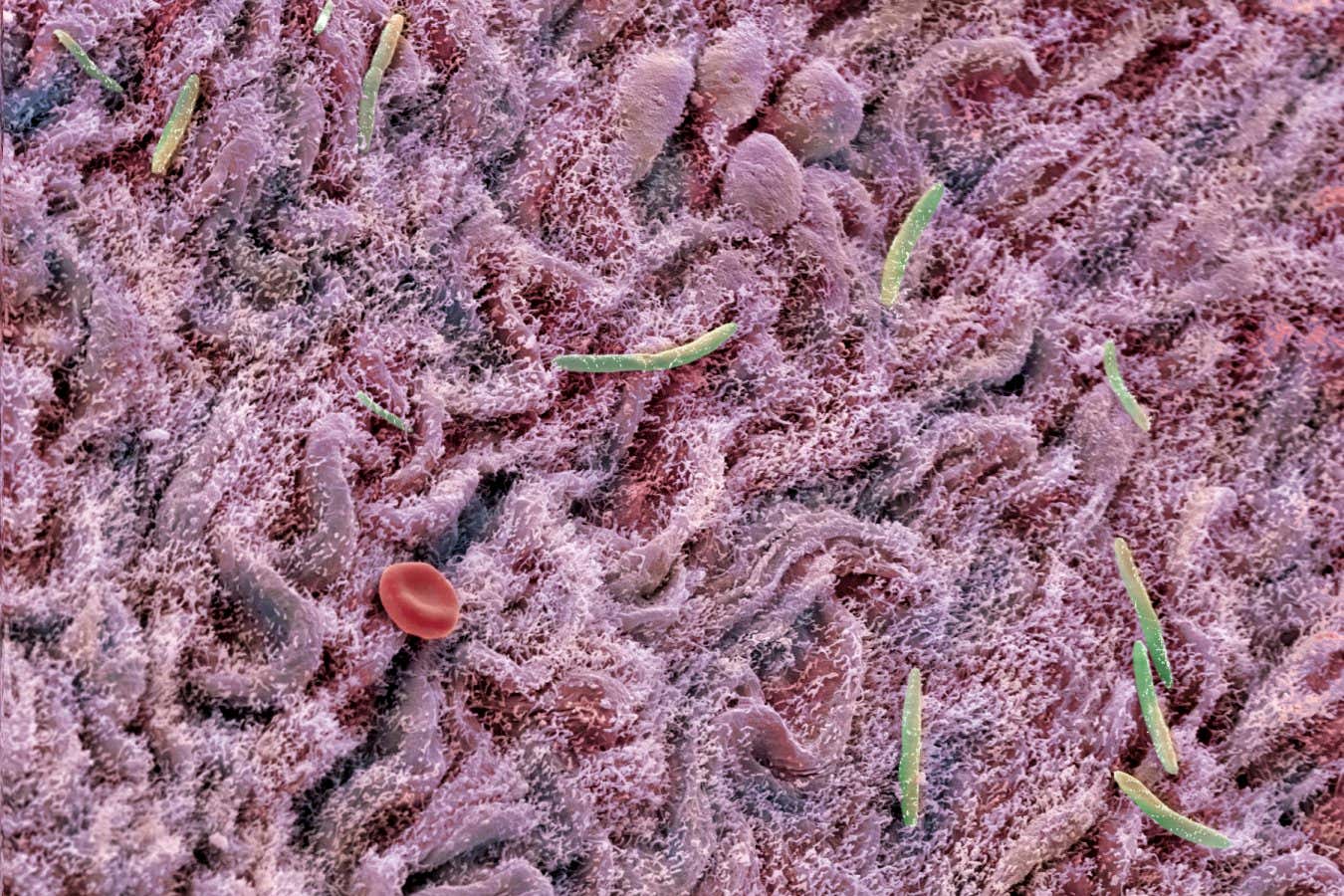
Study finds faecal microbiome transplants from young mice improve brain plasticity in older mice
Older mice that received a faecal microbiome transplant from younger animals went on to have improved brain plasticity, which suggests their
 newscientist.com·21d ago
Study finds faecal microbiome transplants from young mice improve brain plasticity in older mice
Older mice that received a faecal microbiome transplant from younger animals went on to have improved brain plasticity, which suggests their
newscientist.com·21d agoGilliam Fellow Research: Hormones and Autism Risk Genes; Gut Microbe Adaptations
Gilliam Fellow Research: Hormones and Autism Risk Genes; Gut Microbe Adaptations

Micronutrient Supplementation May Alter Gut Microbiome in Children with ADHD, Study Finds
Facebook-f X-twitter Youtube Table of Contents Gut Health and ADHD: Can Vitamins and Minerals Improve Both? There's a growing buzz in scient
 amenclinics.com·20d ago
From diet to microbiome therapies: Key insights from the GMFH Summit 2026
The 14th edition of the Gut Microbiota for Health World Summit brought together leading researchers from around the world to present the lat

Integrative Perspectives on the Host Microbiome and Mental Wellbeing
About the Symposium The gut microbiome and brain are deeply interconnected regulators of mental health. This symposium brings together resea

15-strain live biotherapeutic product or same donor fecal microbiota transplant for recurrent Clostridioides difficile infection: a randomized phase 1b trial
15-strain LBP vs. donor FMT for rCDI: a phase 1b trial highlights accessible human-grade LBP production for scalable therapy. PMID:42230754,
Comments
Sign in to join the conversation.
No comments yet. Be the first.