
























Advances in Brain-on-a-Chip and BBB-on-a-Chip Models for Neurodegenerative Disease Research
By
Theoharis C. Theoharides
Summary
This article reviews recent progress in brain-on-a-chip and blood-brain barrier (BBB)-on-a-chip microphysiologic platforms for modeling neurodegenerative disorders. It discusses how these platforms use cultured brain cells to study brain disease pathogenesis and treatment, and highlights the role of BBB dysfunction in promoting neuroinflammation and exacerbating disease progression. The article notes that mechanisms of BBB disruption remain poorly understood, presenting a major challenge for developing neurotherapeutics that can cross the BBB.
Source

 bskyAdvances in Brain-on-a-Chip and BBB-on-a-Chip Models for Neurodegenerative Disease Researchjournals.sagepub.com
Key quotes
· 3 pulledThe blood-brain barrier (BBB) of the neurovascular unit serves as a highly selective molecular transport interface for brain homeostasis.
BBB dysfunction promotes neuroinflammation, exacerbates disease progression, and contributes to neurodegenerative diseases.
The mechanisms of BBB disruption underlying brain disorders remain poorly understood; thus, developing neurotherapeutics that can effectively cross the BBB remains a major challenge.
You might also wanna read


Novel Blood-Brain Barrier Modulation Strategy Shows Promise for Alzheimer's Treatment Through Enhanced Amyloid-β Clearance
This scientific research presents a novel therapeutic approach for Alzheimer's disease that targets the blood-brain barrier (BBB) to enhance
 nature.com·8mo ago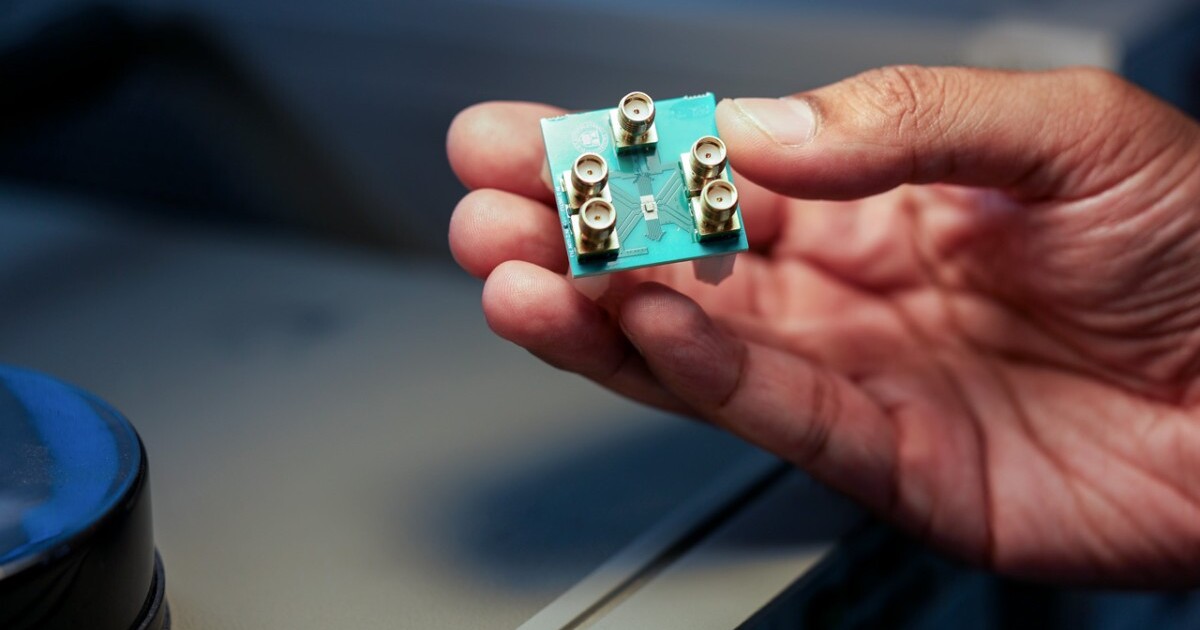
Cornell Researchers Develop Analog 'Microwave Brain' Chip for Ultrafast Signal Processing
Cornell University researchers have developed a novel analog electronic chip called a 'microwave brain' that processes ultrafast data and wi
 newatlas.com·10mo ago
Discovery of Dendritic Nanotubular Networks Enables New Form of Brain Cell Communication
Researchers have discovered a previously unknown form of intercellular communication in the brain through dendritic nanotubular networks. Us
 science.org·8mo ago
DishBrain: In Vitro Neural Networks Learn and Adapt in Simulated Game Environment
Researchers have developed DishBrain, a synthetic biological intelligence platform where in vitro neural networks from human or rodent cells
Shiitake Mushroom Mycelium Used to Create Sustainable Memristors for Neuromorphic Computing
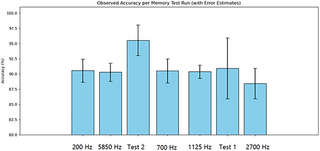
Researchers have developed sustainable memristors using shiitake mushroom mycelium for high-frequency bioelectronics applications. The study
 journals.plos.org·7mo ago
New Research Reveals How the Brain Regulates Blood Flow
The article discusses new research findings on how the brain regulates blood flow on demand, with potential implications for understanding n
 hms.harvard.edu·10mo ago
Comments
Sign in to join the conversation.
No comments yet. Be the first.