
























Open-Source z386 FPGA Core Gets Early Start Memory Access Feature
By
nand2mario
Summary
The article discusses the Intel 80386 processor, a landmark 32-bit x86 CPU that used microcode for all command execution. It highlights the z386, an FPGA-based re-implementation of the 80386 core, and notes that this open-source core was initially missing a key feature of the original chip: early start memory access. The article describes efforts to fully implement this missing feature in the open-source FPGA core.
Source
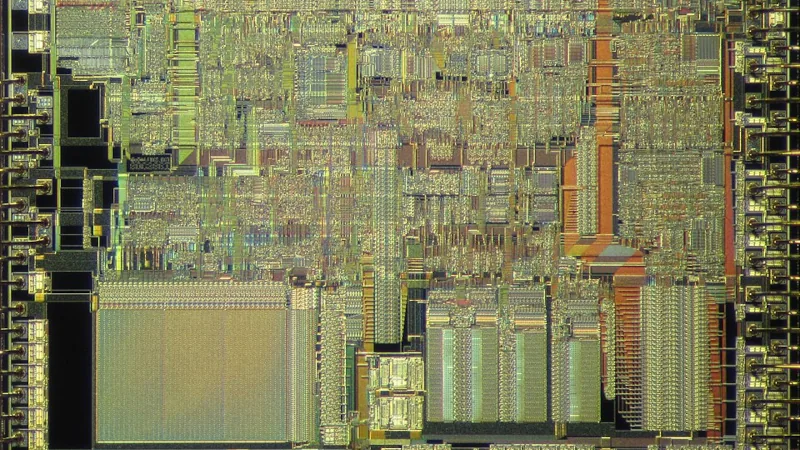
 bskyOpen-Source z386 FPGA Core Gets Early Start Memory Access Featurehackaday.com
Key quotes
· 3 pulledThe Intel 80386 is a rather fascinating slice of computer history.
It marked the first 32 bit X86 processor, and was a staple of early desktop computing.
Like all chips, it has a number of quirks, one of which being the fact that all commands are executed in microcode.
You might also wanna read

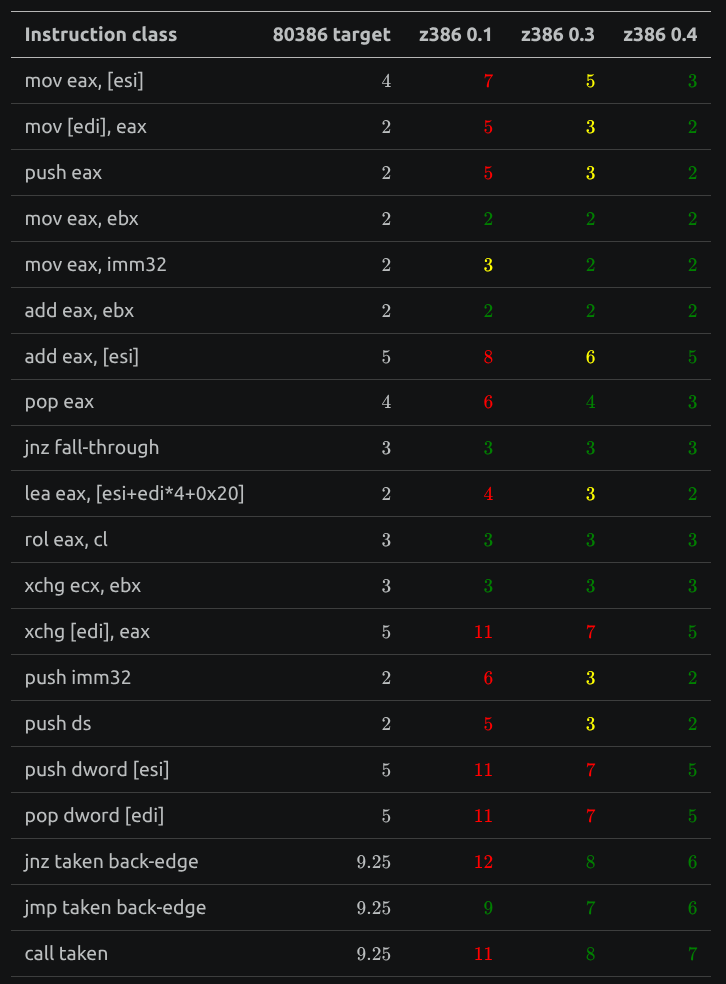
Understanding the 80386's Early Start Memory Access and Its Implementation in the z386 FPGA Core
The article discusses the Early Start memory access technique used in Intel's 80386 processor, which hides memory latency by beginning the n
 nand2mario.github.io·14d ago
z386: An Open-Source FPGA CPU Recreating the Intel 80386 with Original Microcode
The fifth installment of the 80386 series describes the z386, an open-source FPGA-based CPU that recreates a 386-class processor using the o
nand2mario.github.io·1mo ago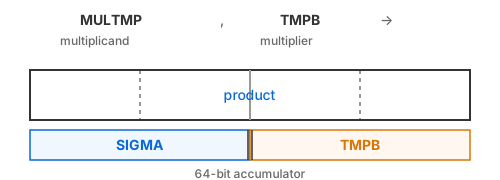
Technical Analysis of Intel 80386 Processor's Multiplication and Division Capabilities
The article examines the Intel 80386 processor's multiplication and division capabilities, focusing on its technical implementation and perf
nand2mario.github.io·5mo agoDisassembling the 80386 Microcode: A Deep Dive into Intel's Processor Architecture
A technical blog post detailing the author's process of disassembling and analyzing the microcode ROM of the Intel 80386 microprocessor. The

z8086: Recreating the Original Intel 8086 Processor Using Recovered Microcode
z8086 is a project that recreates the original Intel 8086/8088 processor core using recovered Intel microcode. Instead of manually implement
nand2mario.github.io·6mo ago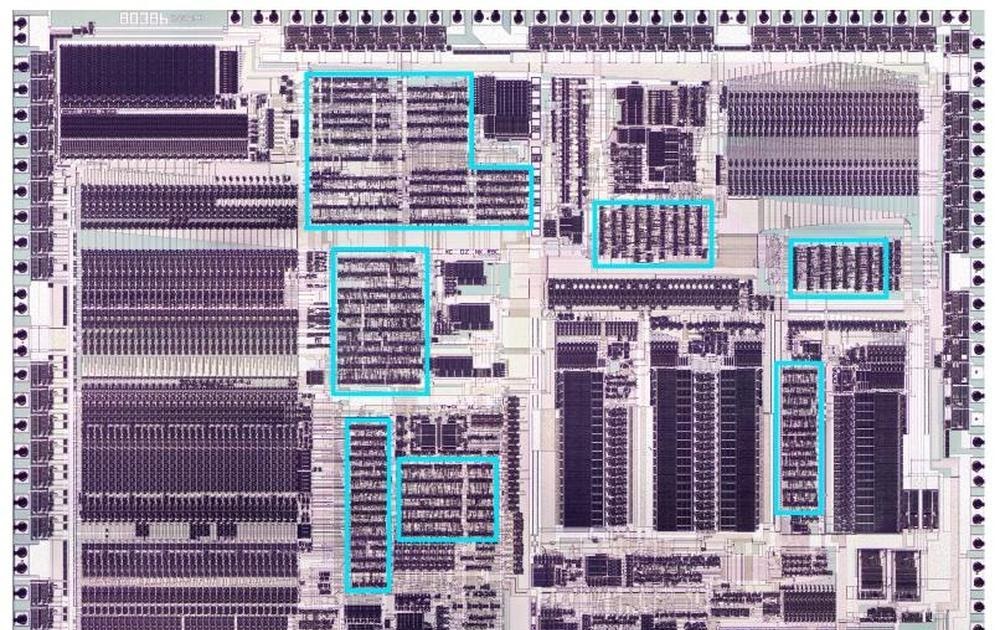
Intel 386 Processor's Standard Cell Logic: A Design Innovation for Managing Complexity
The article examines the standard cell logic implementation in Intel's 386 processor, introduced in 1985. It explains how Intel faced design
 righto.com·7mo ago
Comments
Sign in to join the conversation.
No comments yet. Be the first.