
























Understanding the 80386's Early Start Memory Access and Its Implementation in the z386 FPGA Core
By
nand2mario
Summary
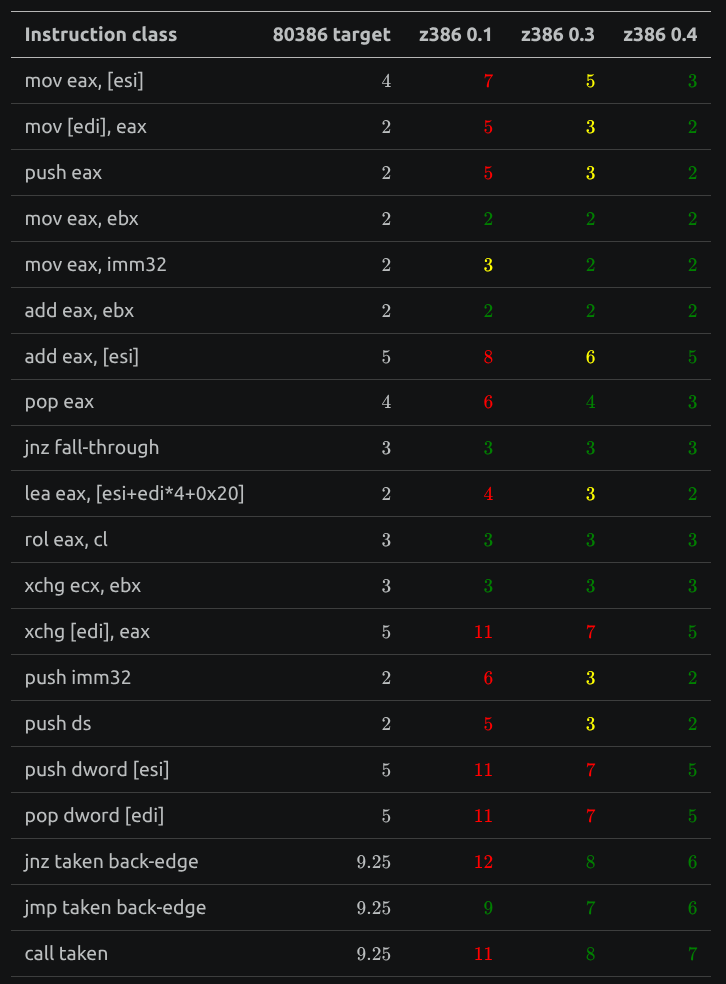
The article discusses the Early Start memory access technique used in Intel's 80386 processor, which hides memory latency by beginning the next instruction's address work during the last cycle of the current instruction. This feature contributed approximately 9% to overall performance but is also the source of the POPAD bug. The author describes implementing Early Start and other optimizations in their z386 FPGA core, which originally ran the 386 microcode without this feature.
Source
 Hacker NewsUnderstanding the 80386's Early Start Memory Access and Its Implementation in the z386 FPGA Corenand2mario.github.io
Key quotes
· 5 pulledInstead of waiting for an instruction to reach its memory micro-op, the 386 begins the next instruction's address work — effective address, segment relocation, the bus cycle — in the last cycle of the current instruction.
Intel put it at about 9% of overall performance.
It is also the source of the POPAD bug.
The z386 FPGA core I released in May ran the original 386 microcode but didn't have early start.
Over the last month I added it along with a series of other optimizations, and z386 now rea
You might also wanna read

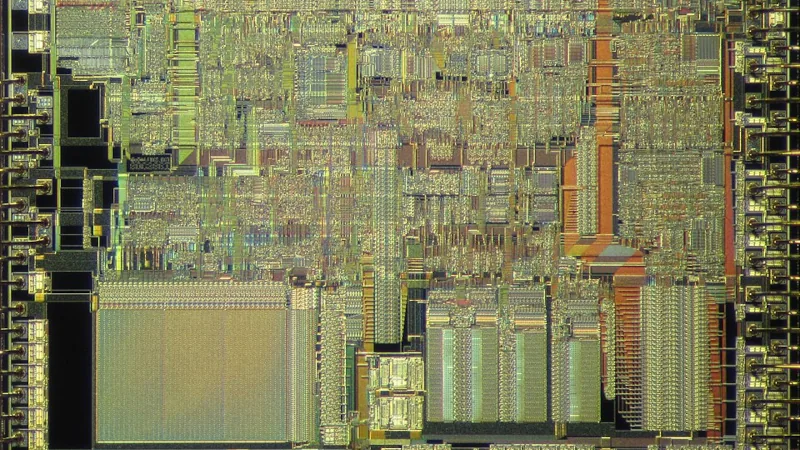
Open-Source z386 FPGA Core Gets Early Start Memory Access Feature
The article discusses the Intel 80386 processor, a landmark 32-bit x86 CPU that used microcode for all command execution. It highlights the
 hackaday.com·1d ago
Coreboot 26.06 Released with Early Intel Nova Lake and AMD Strix Halo Support
Coreboot 26.06 has been released, bringing early support for Intel Nova Lake and AMD Strix Halo processors. The open-source firmware project
 linuxiac.com·9d ago
AIDA64 beta adds early detection support for AMD Zen 6 'Olympic Ridge' and 'Mustang Peak' CPUs
AIDA64's latest beta (8.30.8332, June 27) adds preliminary detection support for two upcoming AMD Zen 6 CPUs: "Olympic Ridge" (K1A.88) and "
 videocardz.com·9d ago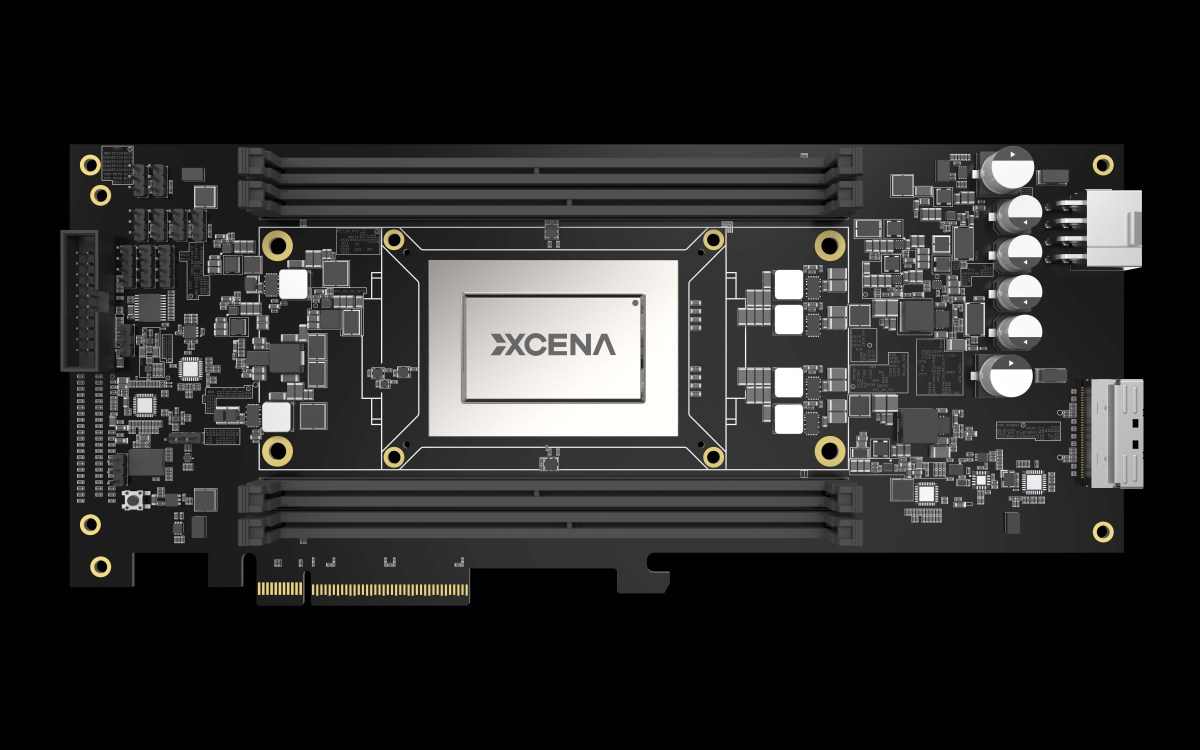
South Korean chip startup XCENA raises $135M to solve AI's memory bottleneck
South Korean chip startup XCENA has raised $135M to develop a new chip architecture that addresses AI's memory bottleneck. Unlike traditiona
 techcrunch.com·1mo ago
APEX4: Platform-Dependent W4A4 LLM Inference via Intra-SM Compute Rebalancing
This paper presents APEX4, a system for efficient W4A4 (4-bit weights, 4-bit activations) LLM inference that addresses the bottleneck of gro
 arxiv.org·28d ago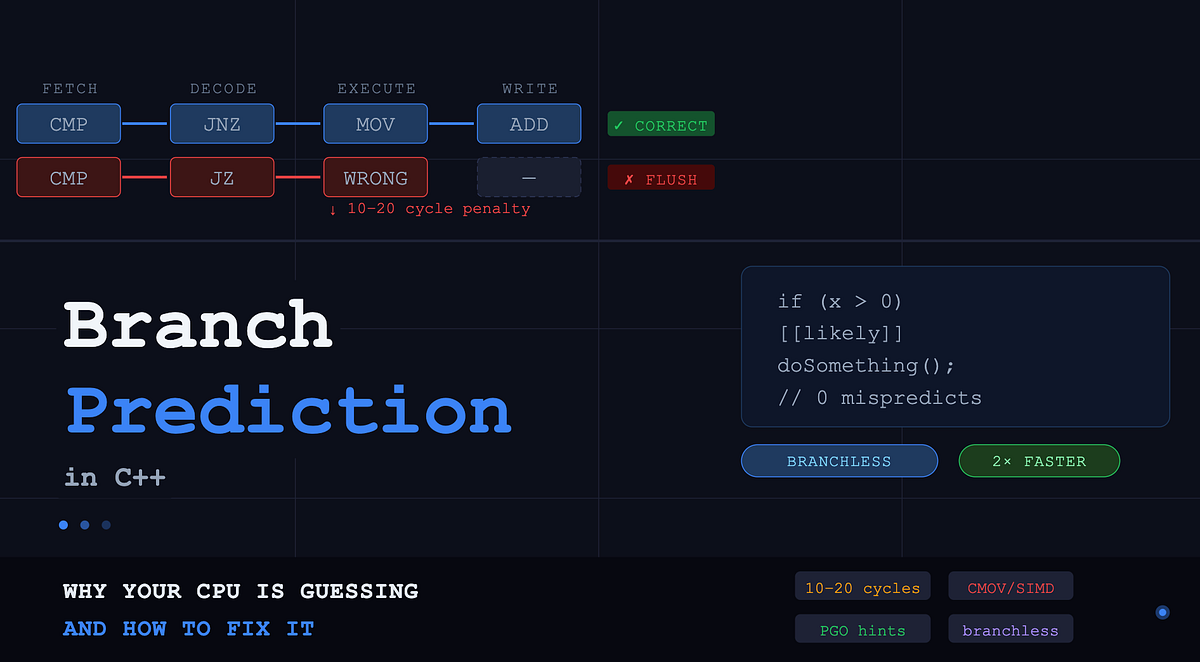
Understanding CPU Branch Prediction and Branchless Programming in C++
This article explains CPU branch prediction in the context of C++ performance optimization. It covers how modern CPUs use pipelining to exec
 towardsdev.com·14d ago
Comments
Sign in to join the conversation.
No comments yet. Be the first.