





















South Korean chip startup XCENA raises $135M to solve AI's memory bottleneck
By
Kate Park

Plain bagel done well. Pleasantly substantive.
Summary
South Korean chip startup XCENA has raised $135M to develop a new chip architecture that addresses AI's memory bottleneck. Unlike traditional AI systems that shuttle data between separate memory and processing units (CPU, GPU), XCENA's chip aims to integrate memory and processing more closely, reducing the energy and latency costs of data movement. The company argues that AI's biggest performance constraint is no longer raw compute power but memory bandwidth and data transfer inefficiency.
Key quotes
· 3 pulledEvery time you ask ChatGPT a question, your request triggers a data relay race.
The bottleneck is structural — it means routing through some of the most expensive and power-intensive chips in the industry on every single request.
That inefficiency is exactly what XCENA, a startup with offices in South Korea and the U.S., is trying to solve.
You might also wanna read


Intel Launches Crescent Island Xe3P GPU with 160GB vRAM for AI Inference
Intel has officially announced its new "Crescent Island" enterprise GPU, an inference-optimized graphics card designed specifically for AI w
 phoronix.com·7mo ago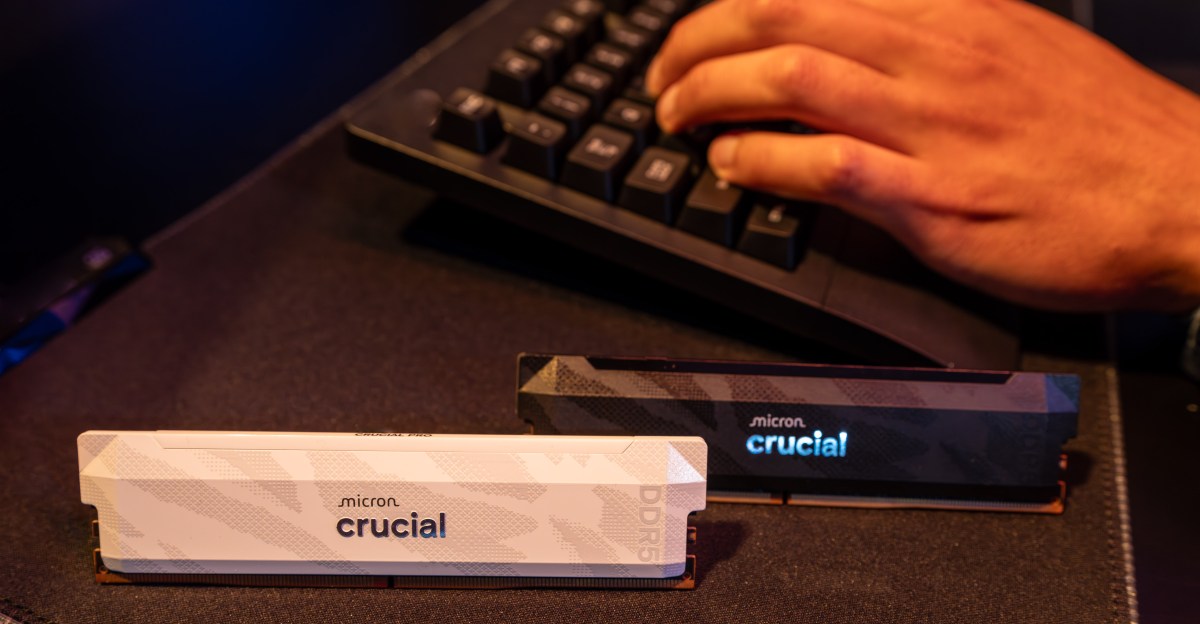
Micron discontinues Crucial brand to focus on supplying memory for AI companies
Micron is shutting down its Crucial brand, which has been known for budget-friendly SSDs and RAM kits for PC builders and hobbyists. The com
 theverge.com·5mo ago
AI Boom Creates Memory Chip Shortage, May Drive Up Electronics Prices
The article discusses how the explosive growth of AI and cloud computing has created a severe shortage of memory chips, leading to supply-de
 npr.org·5mo ago
Chinese DRAM Maker CXMT Cuts DDR4 Prices by Half, Pressuring Korean Memory Giants
Chinese DRAM manufacturer CXMT is offering older-generation DDR4 memory chips at roughly half the market price, creating competitive pressur
 koreaherald.com·3mo ago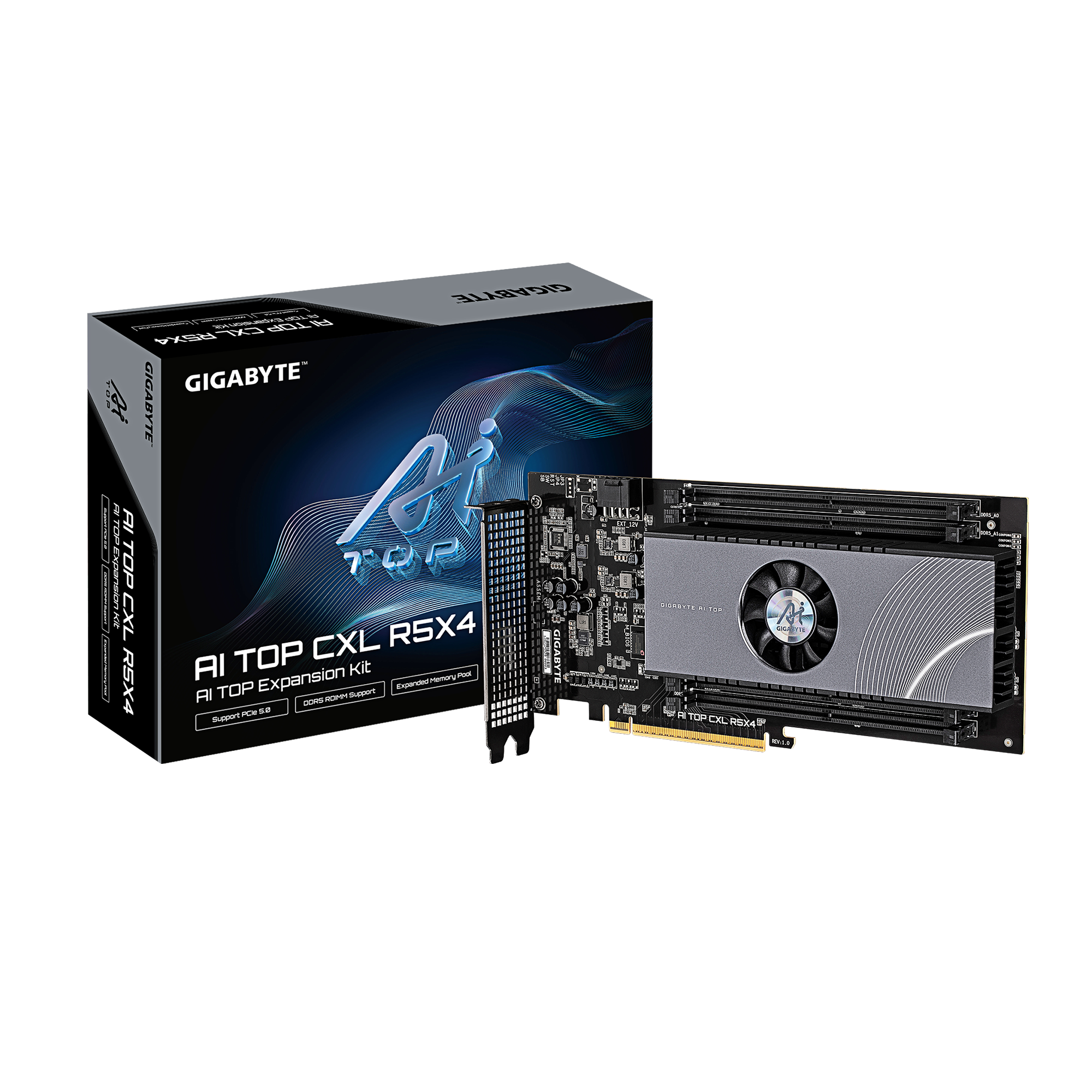
GIGABYTE AI TOP CXL R5X4 Memory Expansion Solution for Local LLM Training
The article describes GIGABYTE's AI TOP CXL R5X4 accessory, which is a memory expansion solution designed to support large language model (L
 gigabyte.com·8mo ago