
























z386: An Open-Source FPGA CPU Recreating the Intel 80386 with Original Microcode
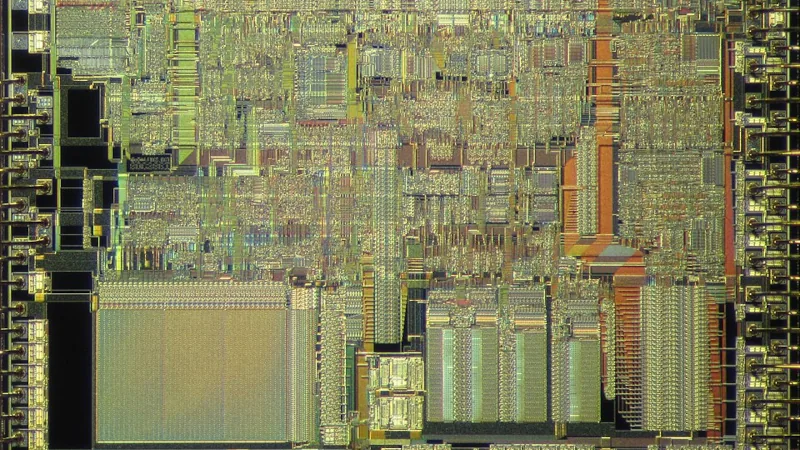
This is the fifth installment of the 80386 series. The FPGA CPU is now far enough along to run real software, and this post is about how it works. z386 is a 386-class CPU built around the original…
Read the full articleYou might also wanna read

Open-Source z386 FPGA Core Gets Early Start Memory Access Feature
The Intel 80386 is a rather fascinating slice of computer history. It marked the first 32 bit X86 processor, and was a staple of early deskt
 hackaday.com·9d ago
FPGAs, ESP32, and Open Hardware
projects and 'open' products
Accelerating zk-SNARKs - MSM and NTT algorithms on FPGAs with Hardcaml
In 2022 a consortium of companies ran an international competition, called the ZPrize , to advance the state of the art in “zero-knowledge”

Ultralytics YOLO26 to Bring Real-Time Computer Vision to Intel Processors
SANTA CLARA, Calif., July 14, 2026 — Ultralytics, the company behind the YOLO family of object detection models, today announced collaborati
Intel Resumes 13th and 14th Gen Core Processor Production for Chinese Market Amid High CPU Demand
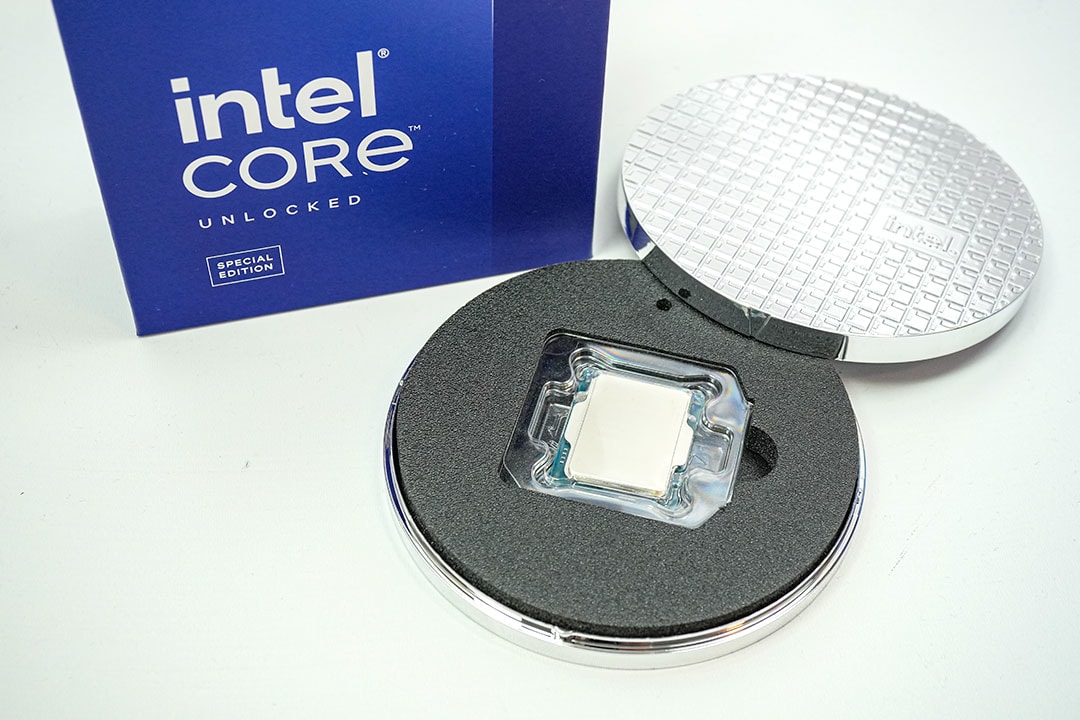
Demand for CPUs is at an all-time high right now, and the PC sector has been absorbing every CPU it can get. According to the latest reports
 techpowerup.com·14d ago
Comments
Sign in to join the conversation.
No comments yet. Be the first.