
























z8086: Recreating the Original Intel 8086 Processor Using Recovered Microcode
After 486Tang, I wanted to go back to where x86 started. The result is z8086: a 8086/8088 core that runs the original Intel microcode. Instead of hand‑coding hundreds of instructions, the core loads…
Read the full articleYou might also wanna read

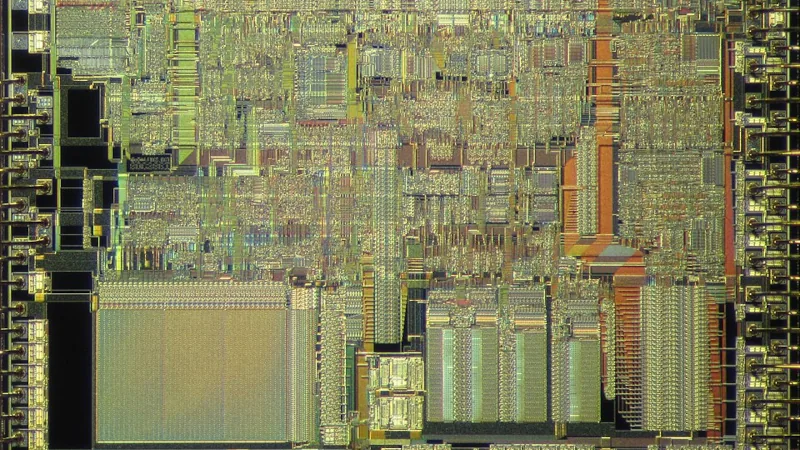
Open-Source z386 FPGA Core Gets Early Start Memory Access Feature
The Intel 80386 is a rather fascinating slice of computer history. It marked the first 32 bit X86 processor, and was a staple of early deskt
 hackaday.com·10d ago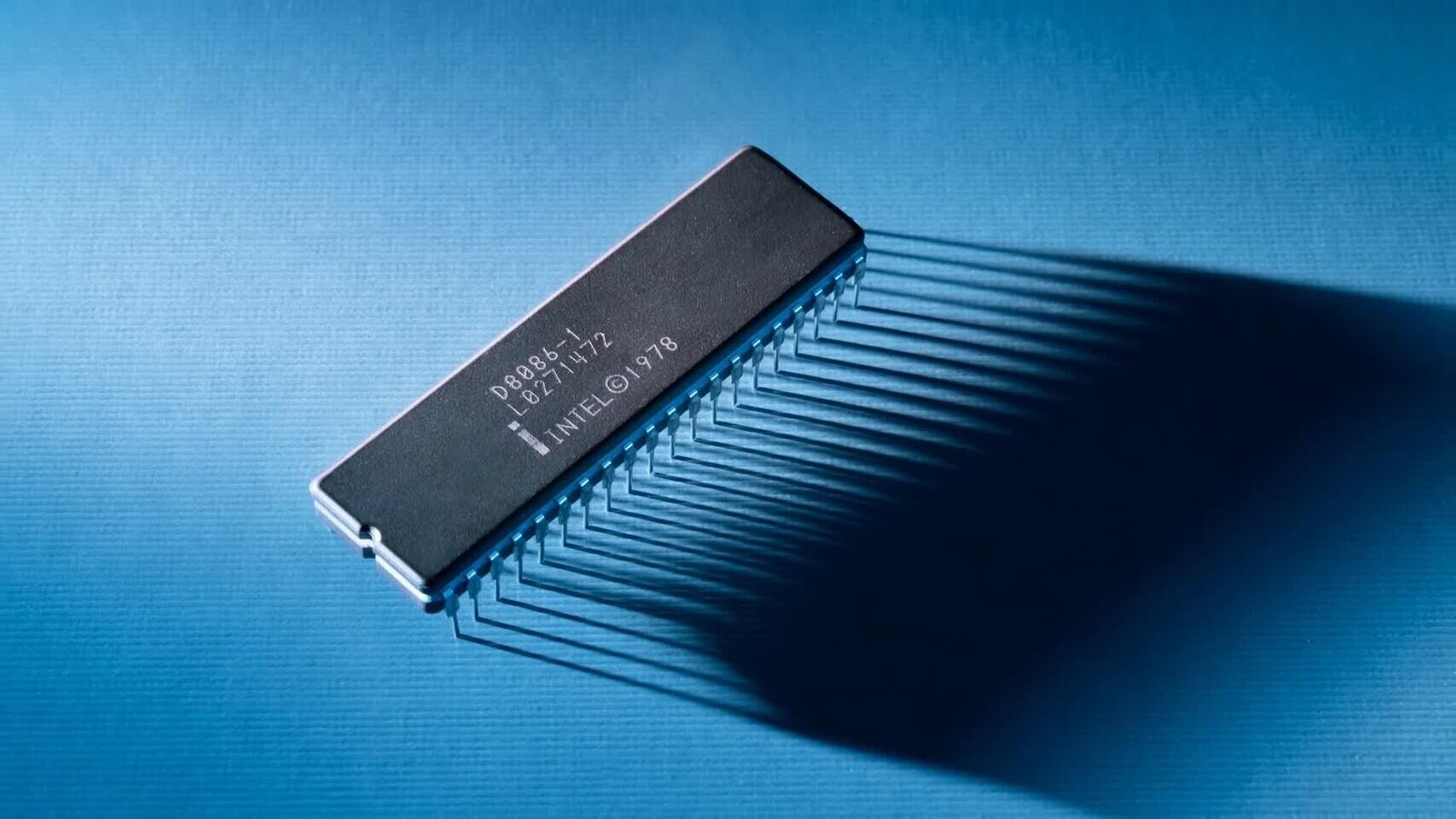
Intel 8086, the first x86 chip, marks 48 years since its 1978 debut
Intel on Monday celebrated 48 years of the 8086, the microprocessor that laid the foundation of its breadwinning x86 microarchitecture. Intr
 techpowerup.com·1mo ago
How Intel's 4004, the World's First Microprocessor, Shaped Modern IoT
Released in November 1971, the Intel 4004 became the world's first commercially available microprocessor, packing approximately 2,300 transi
ZCode
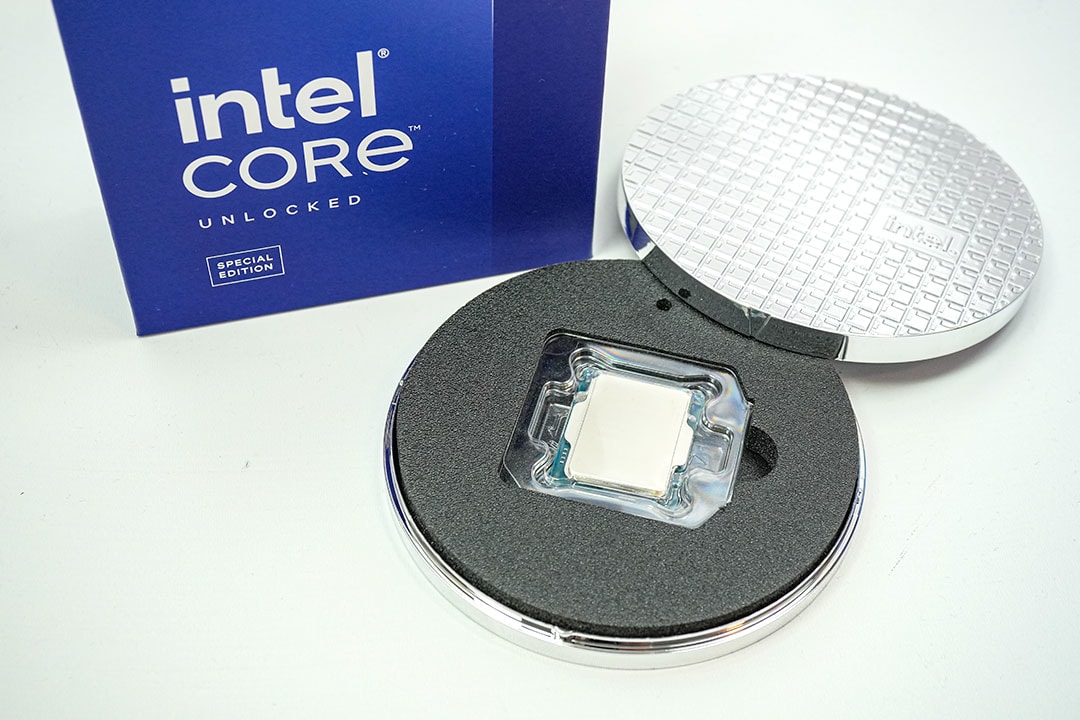
Intel Resumes 13th and 14th Gen Core Processor Production for Chinese Market Amid High CPU Demand
Demand for CPUs is at an all-time high right now, and the PC sector has been absorbing every CPU it can get. According to the latest reports
 techpowerup.com·14d ago
Comments
Sign in to join the conversation.
No comments yet. Be the first.