
























University of Minnesota scientists create synthetic 'SpudCells' with no evolutionary ancestors
By
The Economist
Summary
Scientists at the University of Minnesota have created synthetic cells called "SpudCells" — lab-built cells with no evolutionary ancestors. These cells have seven loops of designer DNA and can follow programmed instructions for growth and reproduction, though they lack a metabolism and depend on a controlled environment. The achievement is considered revolutionary because these cells have no natural evolutionary lineage.
Source
 Twitter / XUniversity of Minnesota scientists create synthetic 'SpudCells' with no evolutionary ancestorseconomist.com
Key quotes
· 4 pulledThe cells made in Kate Adamala's lab at the University of Minnesota are, in her own words, 'wimpy' and 'helpless'.
They have no metabolism, instead depending on a bespoke environment for nearly everything they need.
They do nothing but follow the programmes for growth and reproduction written into their seven loops of designer DNA.
But that is enough to make them revolutionary.
You might also wanna read


Scientists build synthetic cell that can feed, grow and replicate
University of Minnesota Twin Cities synthetic biologist Kate Adamala and her team have built SpudCell, a synthetic droplet made from 150-200
%22 d=%22M44,140.1h42.8V272H54.9c0-0.1,0-103.8,0-103.8H44V140.1z M44,1c28.4,0,42.6,16.2,42.6,42.2v66.1H54.9V43.8 c0-7.2-3.1-11.7-10.6-11.7c-7,0-10.6,4.2-10.6,11.7c0,0,0,228.1,0,228.2H0.2c0-0.5,0-228.8,0-228.8C0.1,16.8,14.8,1,44,1L44,1z%22/></svg>) ground.news·9h ago
ground.news·9h ago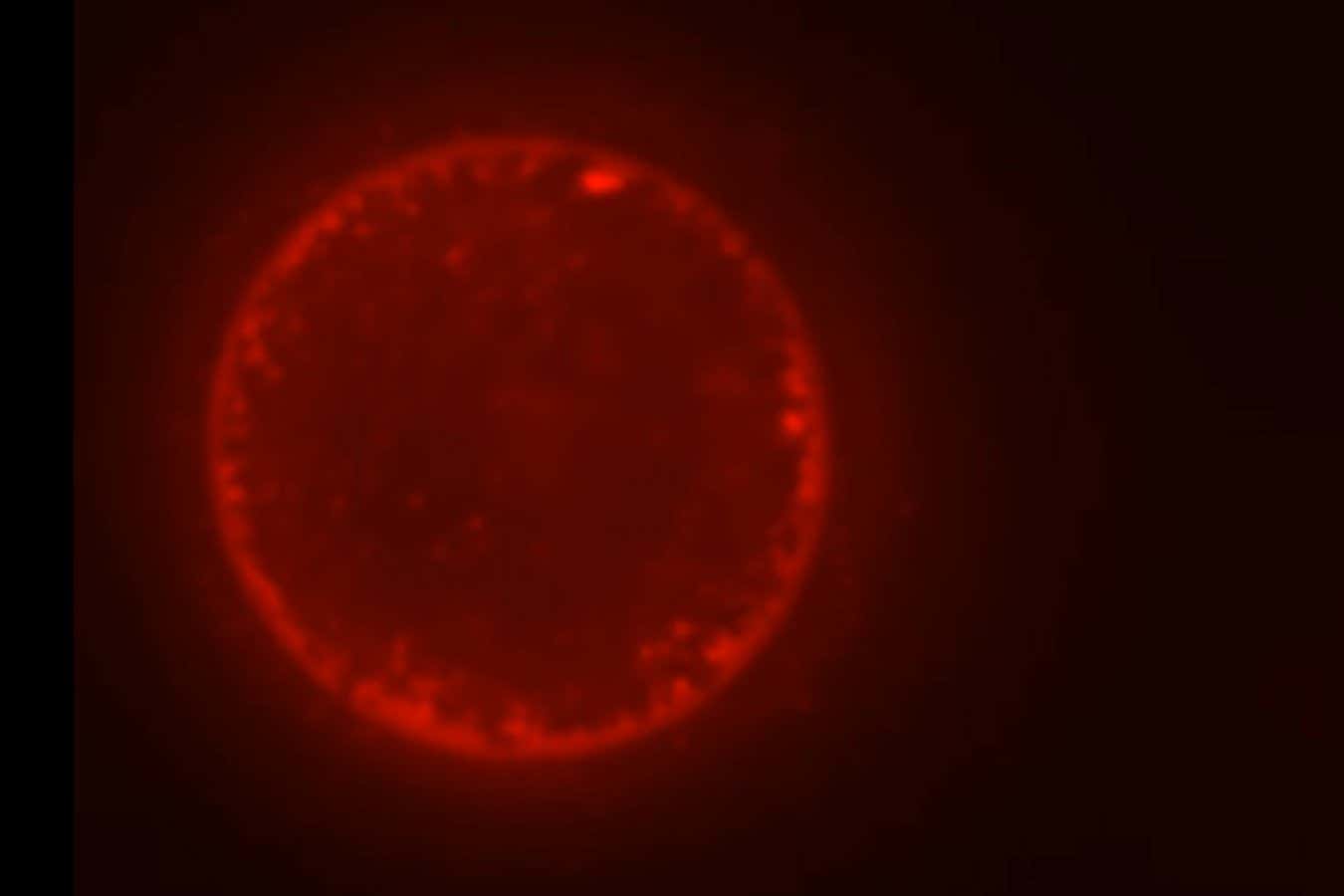
Synthetic biology edges closer to creating artificial life with SpudCell project
The article explores how synthetic biology is approaching the creation of artificial life, highlighting that living organisms are made from
 newscientist.com·10h ago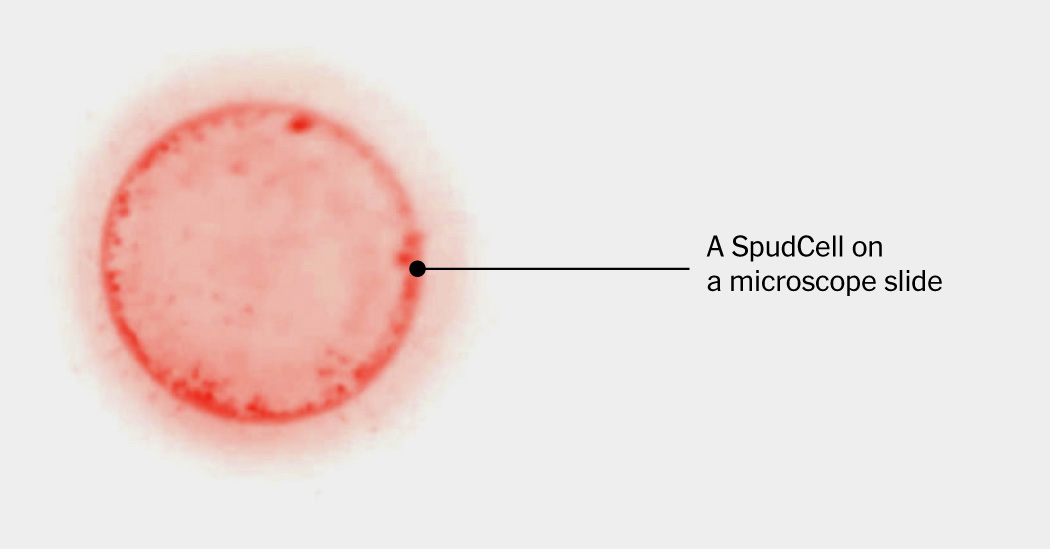
University of Minnesota team creates synthetic cells that feed, grow, and reproduce
Scientists at the University of Minnesota have created synthetic cells from chemical building blocks that can feed, grow, reproduce, and com
 nytimes.com·1d ago
Scientists Build First Synthetic Cell From Scratch That Grows and Divides
For the first time, scientists have built a synthetic cell from nonliving components that successfully grows, replicates its DNA, and divide
 quantamagazine.org·1d ago
Scientists Build First Synthetic Cell From Scratch That Grows and Divides
For the first time, scientists have built a synthetic cell from nonliving components that successfully grows, replicates its DNA, and divide
quantamagazine.org·1d agoScientists Build First Synthetic Cell From Scratch That Grows and Divides
For the first time, scientists have built a synthetic cell from nonliving components that successfully grows, replicates its DNA, and divide
quantamagazine.org·1d agoScientists Build First Synthetic Cell From Scratch That Grows and Divides
For the first time, scientists have built a synthetic cell from nonliving components that successfully grows, replicates its DNA, and divide
quantamagazine.org·1d ago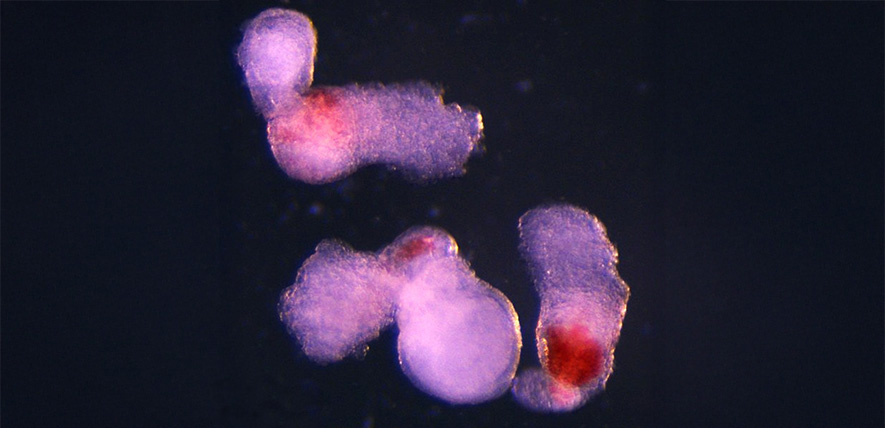
Cambridge Scientists Create Lab-Grown Embryo Models That Produce Blood Cells
University of Cambridge researchers have successfully created three-dimensional embryo-like structures called 'hematoids' from human stem ce
 cam.ac.uk·8mo ago
Study traces evolutionary origins of blood cells to unicellular ancestors
This scientific research article investigates the evolutionary origins of blood cells in animals. The study reveals that blood cells, which
 pnas.org·22d ago
Comments
Sign in to join the conversation.
No comments yet. Be the first.