
























University of Minnesota team creates synthetic cells that feed, grow, and reproduce
By
Carl Zimmer, Marco Hernandez
Summary
Scientists at the University of Minnesota have created synthetic cells from chemical building blocks that can feed, grow, reproduce, and compete for food — achieving most hallmarks of life. Led by synthetic biologist Kate Adamala, the research represents a major step toward creating artificial life, though the team hesitates to call the cells fully "alive," noting that life exists on a spectrum rather than as a binary state.
Source
 bskyUniversity of Minnesota team creates synthetic cells that feed, grow, and reproducenytimes.com
Key quotes
· 2 pulledLife is not binary. That's why I'm hesitant to call this 'alive.' There's no cle
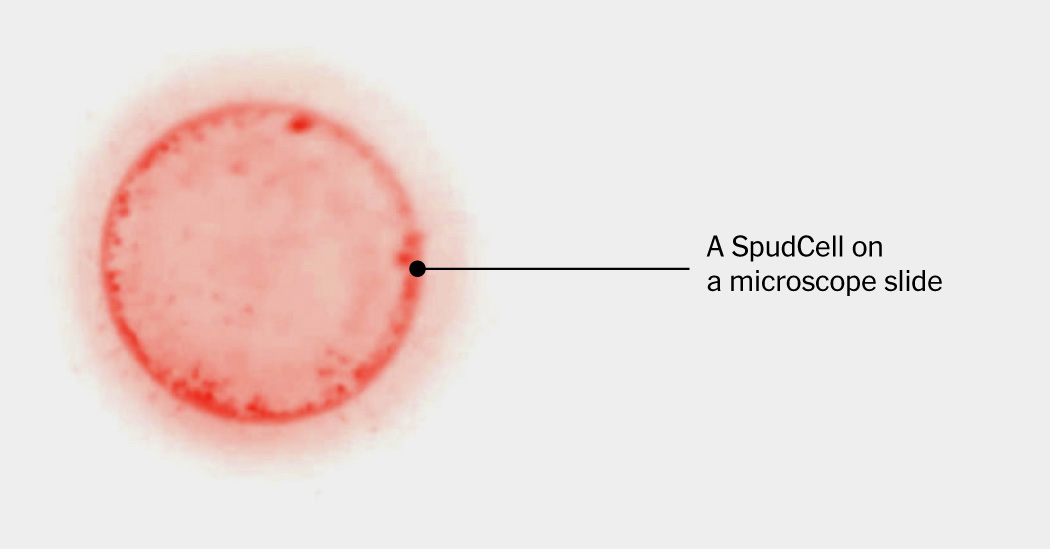
Blending together dozens of ingredients, the researchers have synthesized simple cells that feed, grow, reproduce and compete with one another for food.
You might also wanna read

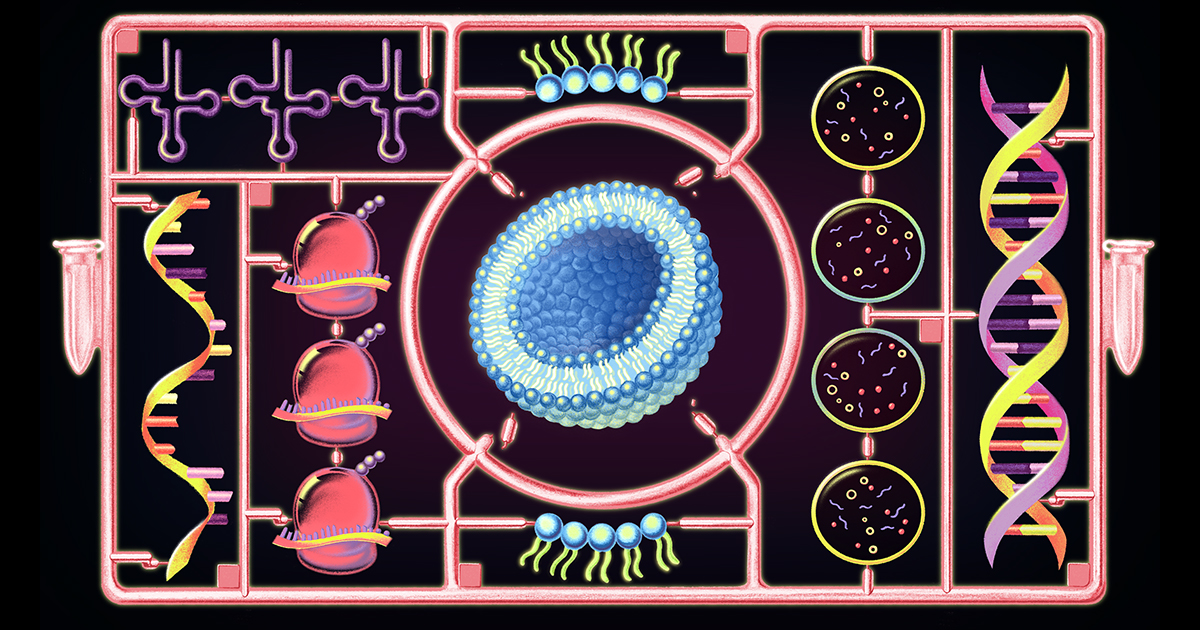
Scientists Build First Synthetic Cell From Scratch That Grows and Divides
For the first time, scientists have built a synthetic cell from nonliving components that successfully grows, replicates its DNA, and divide
 quantamagazine.org·2h ago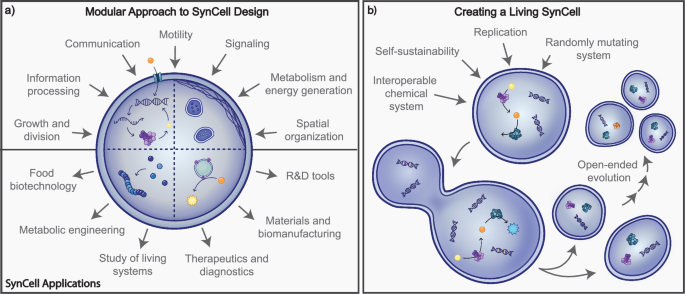
International Collaboration Advances Synthetic Cell Research
The article discusses the emerging field of synthetic cell (SynCell) research, which aims to build artificial cells from molecular component
 nature.com·9mo ago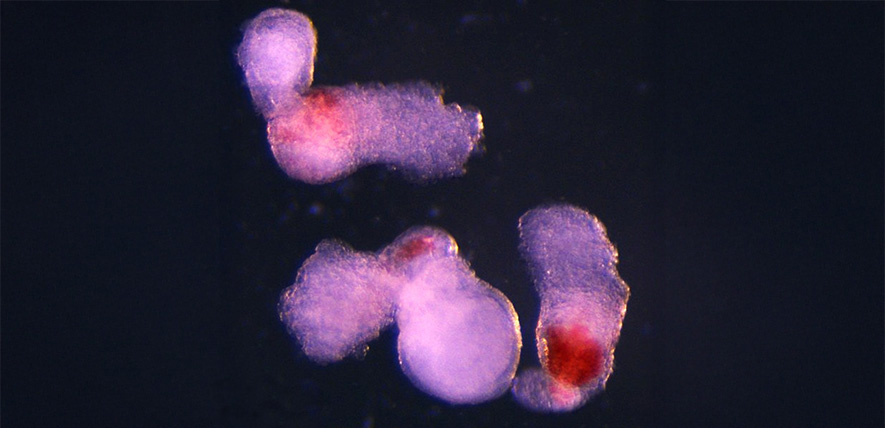
Cambridge Scientists Create Lab-Grown Embryo Models That Produce Blood Cells
University of Cambridge researchers have successfully created three-dimensional embryo-like structures called 'hematoids' from human stem ce
 cam.ac.uk·8mo ago
DARPA's Generative Optogenetics Program Aims to Revolutionize DNA/RNA Synthesis Using Light
DARPA's Generative Optogenetics (GO) program aims to revolutionize DNA and RNA synthesis by using light to direct their creation directly wi
 darpa.mil·6mo ago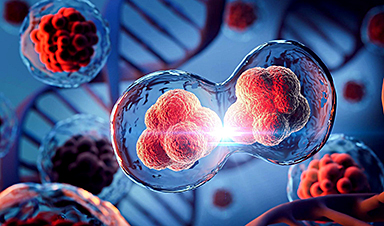
Scientists Discover Backup Cellular Pathway for Producing Essential Amino Acid
Scientists have discovered a surprising backup pathway in cells that allows them to produce a crucial amino acid when their primary machiner
 nanoappsmedical.com·10d ago
The Scientific Concept and Concerns of Mirror Life: Creating Enantiomeric Biological Systems
The article discusses the scientific concept of "mirror life" - creating completely enantiomeric (mirror-image) versions of biological molec
 science.org·9mo ago
Comments
Sign in to join the conversation.
No comments yet. Be the first.