





















Cambridge Scientists Create Lab-Grown Embryo Models That Produce Blood Cells
By
gmays

A bagel you'd recommend to a friend without hedging.
Summary
University of Cambridge researchers have successfully created three-dimensional embryo-like structures called 'hematoids' from human stem cells that replicate early human development processes, including the production of blood stem cells. These hematoids are self-organizing and begin producing blood after a certain period, representing a significant advancement in understanding human embryonic development and potentially providing new methods for generating blood cells for medical applications.
Key quotes
· 4 pulledUniversity of Cambridge scientists have used human stem cells to create three-dimensional embryo-like structures that replicate certain aspects of very early human development
Human blood stem cells, also known as hematopoietic stem cells, are immature cells that can develop into any type of blood cell
The embryo-like structures, which the scientists have named 'hematoids', are self-organising and start producing blood after around
Researchers have found a new way to produce human blood cells in the lab that mimics the process in natural embryos
You might also wanna read

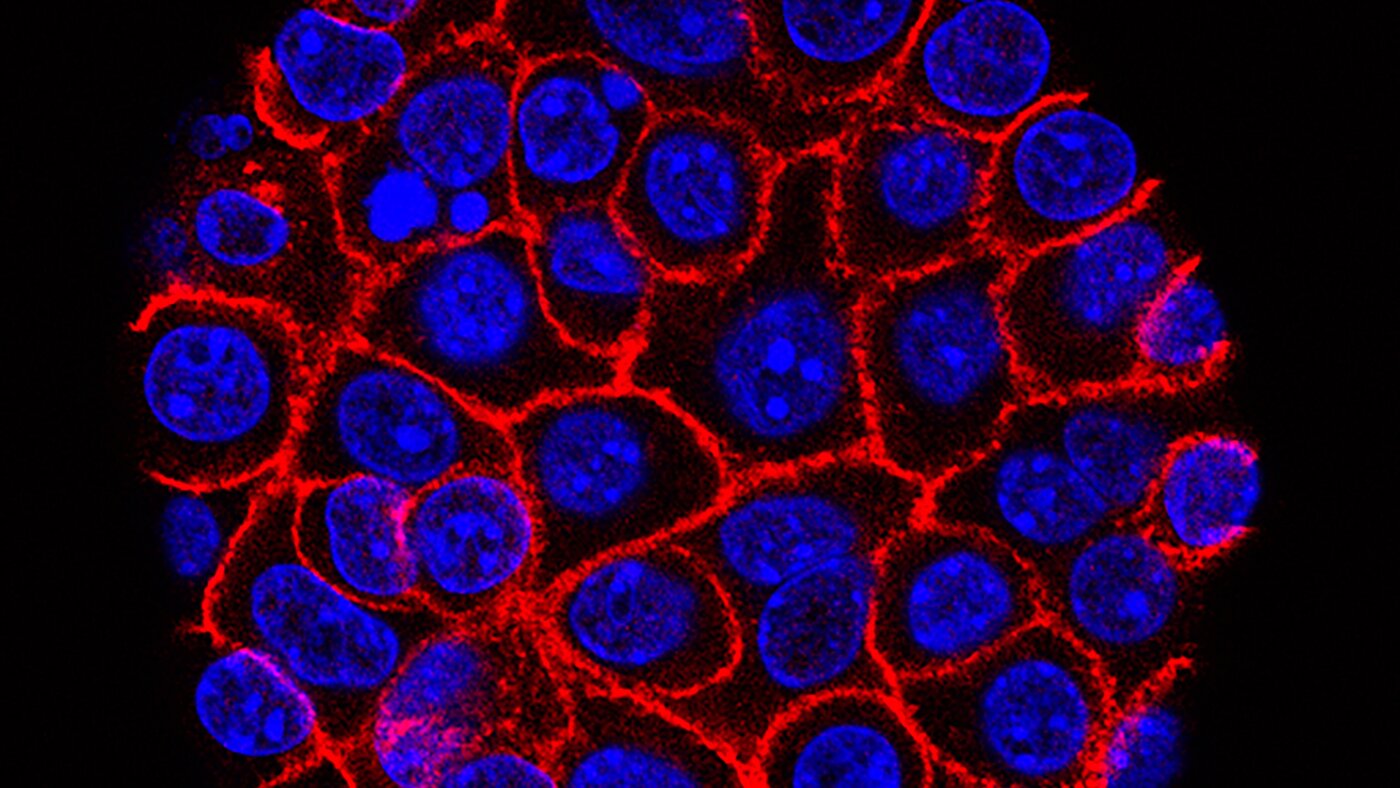
Experimental pill daraxonrasib extends survival in advanced pancreatic cancer patients, study finds
Researchers reported that daraxonrasib, a novel experimental pill, helped patients with advanced pancreatic cancer live longer by blocking a
 npr.org·5h ago
GeneSkin Develops mRNA Therapy Targeting Skin Stem Cells for Rejuvenation and Hair Growth
GeneSkin is developing a novel mRNA therapy targeting basal stem cells in the skin to address a wide range of dermatological issues includin
 wyss.harvard.edu·7h ago
First human trial begins for drug that could regrow missing teeth
Kyoto University Hospital has launched the first human trial of TRG-035, a drug designed to regrow teeth in adults by blocking a protein tha
 boingboing.net·1d ago
Japanese researchers develop vitamin K-like compounds that may help convert brain cells into neurons
Japanese researchers have developed a new family of vitamin K-like molecules that may help immature brain cells transition into neurons. Whi
 zmescience.com·1d ago
International trial shows DNA test could help many breast cancer patients avoid chemotherapy
A new international trial presented at the American Society of Clinical Oncology conference suggests that millions of breast cancer patients
 bbc.co.uk·1d ago
Cohort Study Evaluates Age at Onset and Family History as Predictors for Genetic Testing in Parkinson Disease
This cohort study evaluates the association between age at onset (AAO) and family history in Parkinson disease patients who carry pathogenic
 doi.org·1d ago