
























Synthetic biology edges closer to creating artificial life with SpudCell project
By
New Scientist
Summary
The article explores how synthetic biology is approaching the creation of artificial life, highlighting that living organisms are made from non-living components — meaning life can theoretically be built from scratch. It references the 2010 synthesis of a bacterial genome at the J. Craig Venter Institute and introduces SpudCell as the most sophisticated attempt yet at creating an artificial life form, which could help answer the fundamental question of what makes something alive.
Source
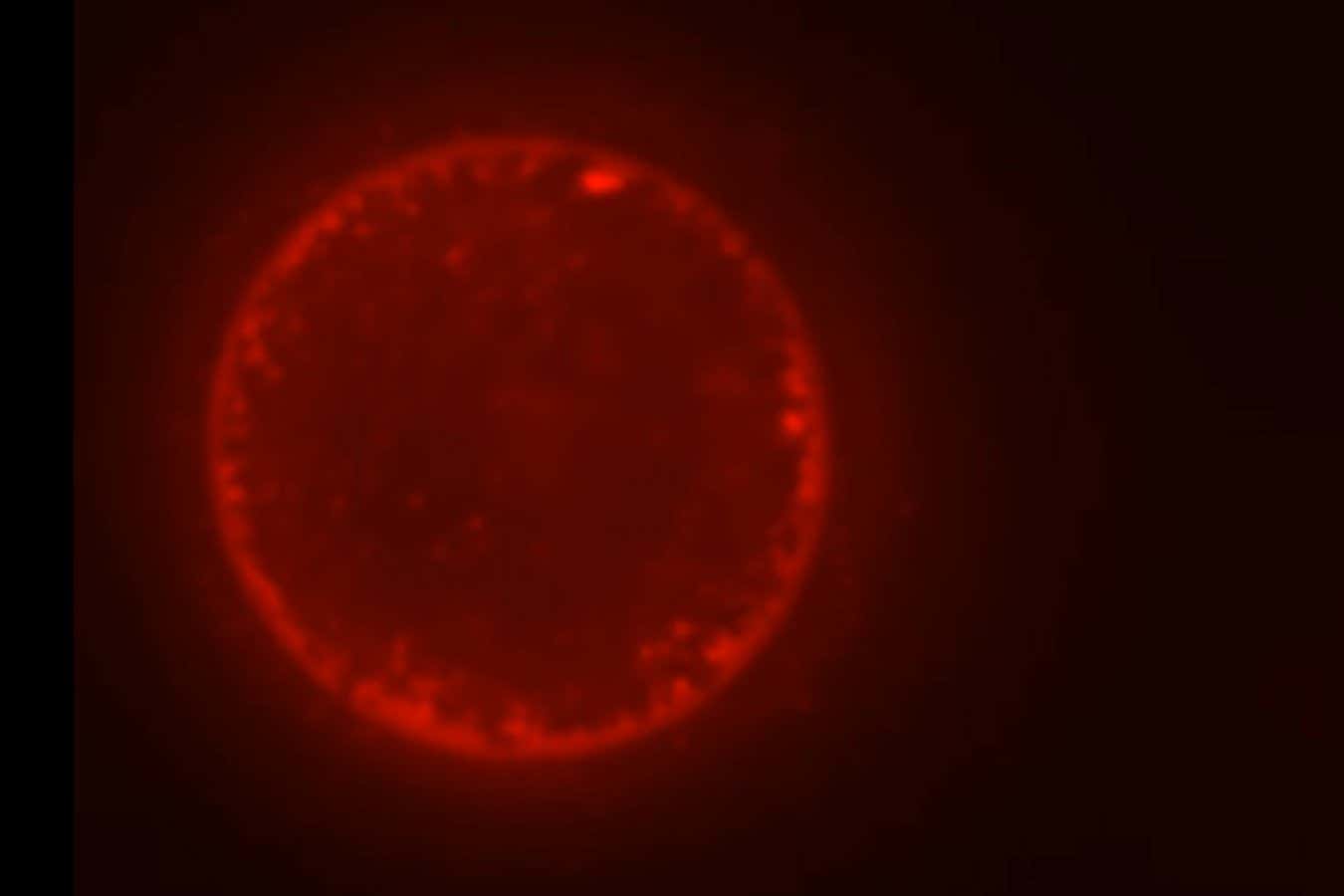
 bskySynthetic biology edges closer to creating artificial life with SpudCell projectnewscientist.com
Key quotes
· 3 pulledA living organism is made from components that aren't themselves living.
There is no mystical force that animates us and other life forms.
It means that it should be possible to build a life form from scratch – and we are now a step closer to doing so.
You might also wanna read

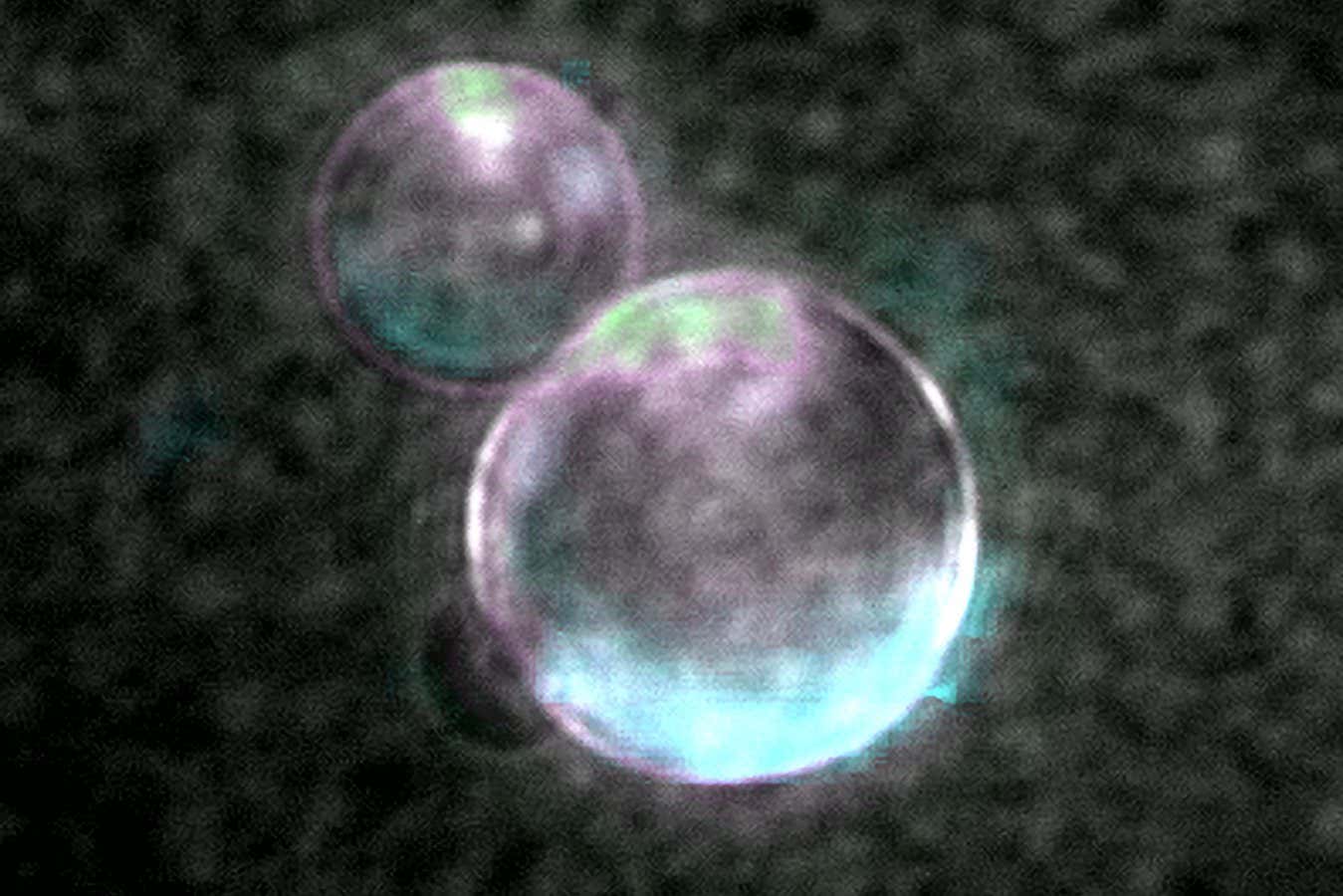
SpudCell: Scientists create prototype synthetic cell that replicates primitively but is not truly alive
Scientists at the University of Missouri, led by Kate Adamala, have created "SpudCell" — a prototype synthetic cell using 36 existing bacter
newscientist.com·1d ago
University of Minnesota scientists create synthetic 'SpudCells' with no evolutionary ancestors
Scientists at the University of Minnesota have created synthetic cells called "SpudCells" — lab-built cells with no evolutionary ancestors.
 economist.com·1d ago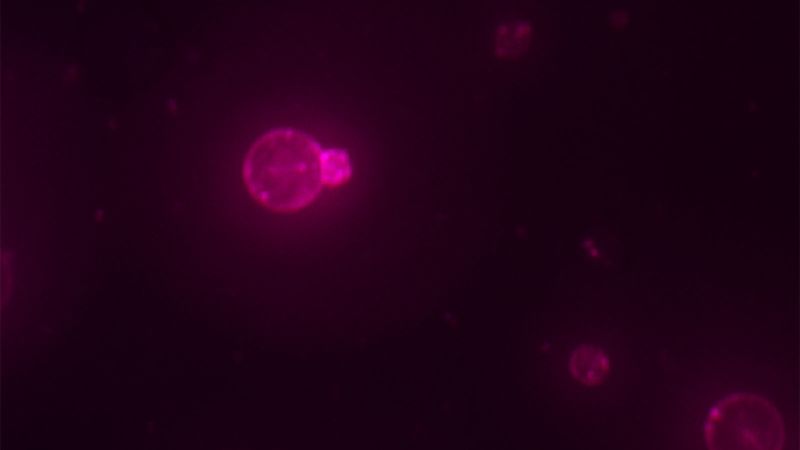
Scientists construct synthetic cell from nonliving chemical components that can feed, grow, and replicate
Scientists at the University of Minnesota, led by synthetic biologist Kate Adamala, have constructed a synthetic cell from nonliving chemica
 cnn.it·1d ago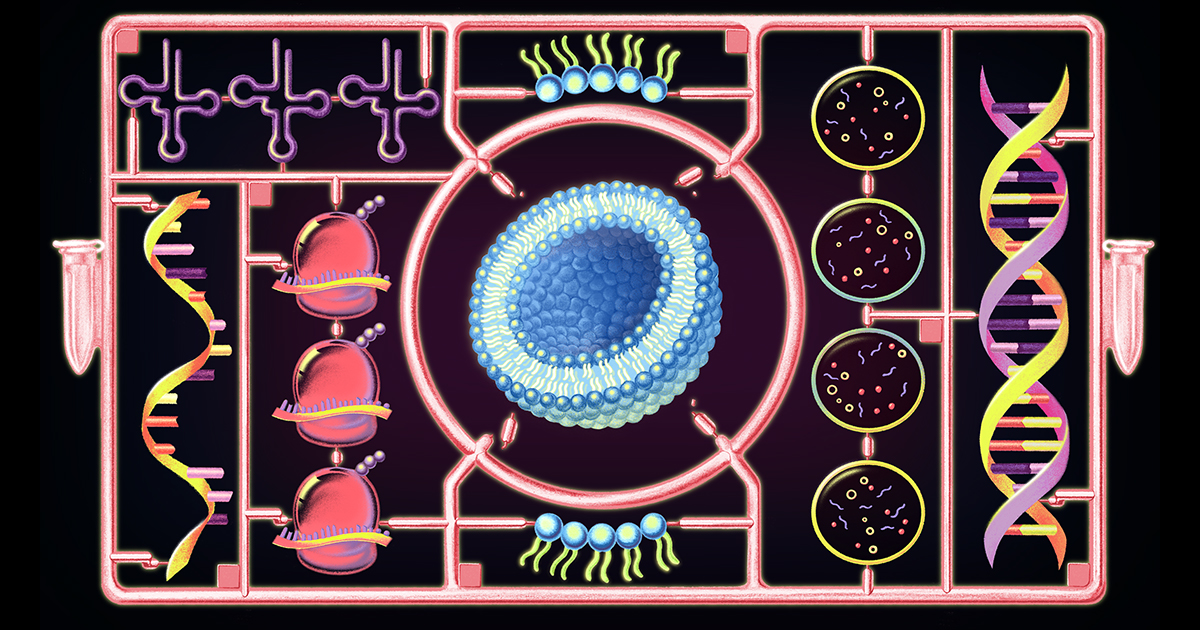
Scientists Build First Synthetic Cell From Scratch That Grows and Divides
For the first time, scientists have built a synthetic cell from nonliving components that successfully grows, replicates its DNA, and divide
 quantamagazine.org·1d ago
Scientists Build First Synthetic Cell From Scratch That Grows and Divides
For the first time, scientists have built a synthetic cell from nonliving components that successfully grows, replicates its DNA, and divide
quantamagazine.org·1d agoScientists Build First Synthetic Cell From Scratch That Grows and Divides
For the first time, scientists have built a synthetic cell from nonliving components that successfully grows, replicates its DNA, and divide
quantamagazine.org·1d agoScientists Build First Synthetic Cell From Scratch That Grows and Divides
For the first time, scientists have built a synthetic cell from nonliving components that successfully grows, replicates its DNA, and divide
quantamagazine.org·1d ago
Exploring the Origin of Life: Information Theory and Protocell Formation
The article explores the origin of life on Earth through the lens of information theory and algorithmic complexity, evaluating the challenge
 arxiv.org·11mo ago
GitHub Repository: 300-Line Implementation of Computational Life Research on Self-Replicating Programs
This article describes a GitHub repository containing a 300-line code reproduction of computational life research, where self-replicating pr
 github.com·3mo ago
Comments
Sign in to join the conversation.
No comments yet. Be the first.