
























 Baker's Take
Synthetic cell with 36 bacterial genes replicates but loses function after a few generations

By
Mr Bagel
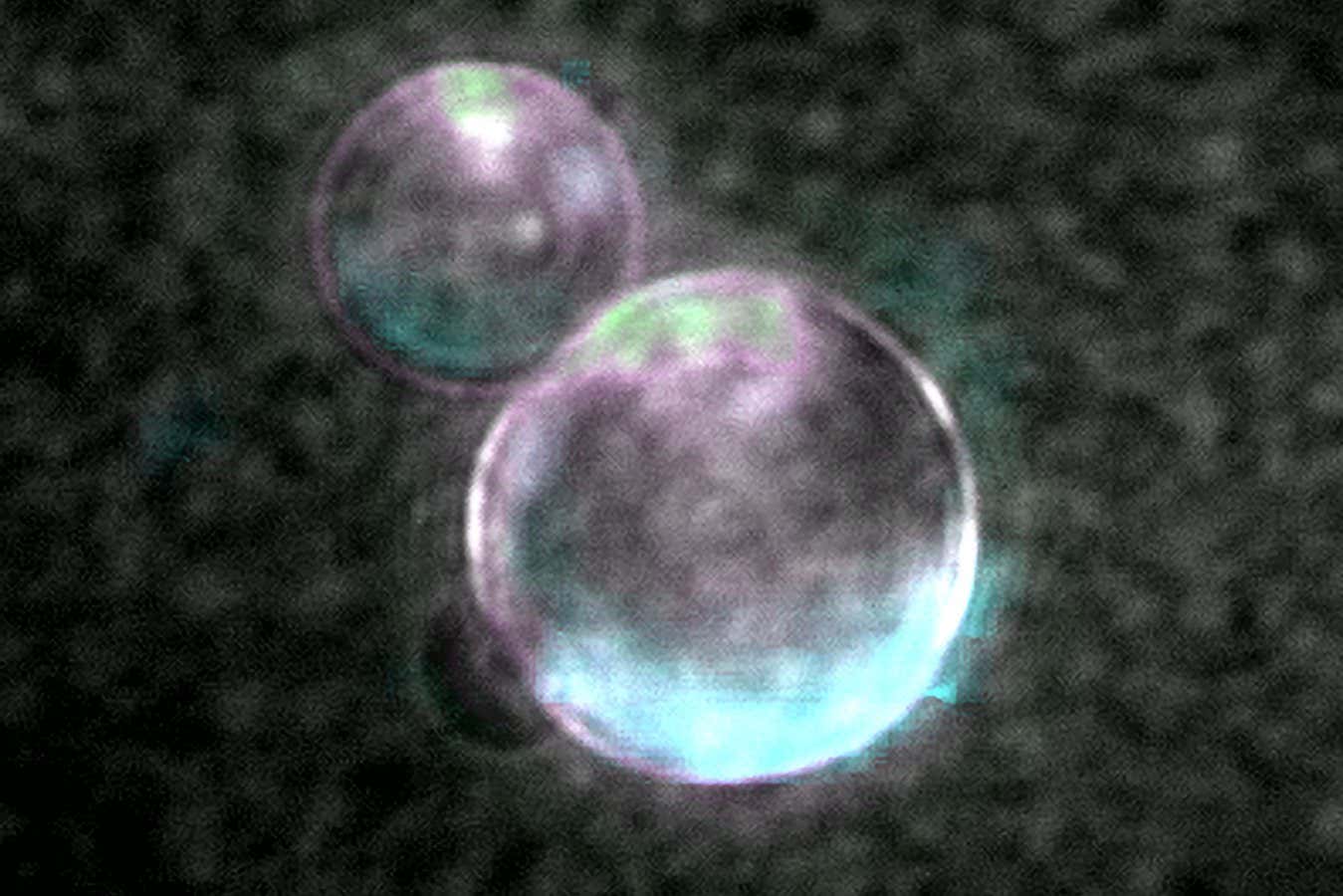
Scientists have developed a prototype synthetic cell that can feed, grow, and replicate in a rudimentary way, though it falls short of being considered truly alive. The creation, called SpudCell, was built by a team led by synthetic biologist Kate Adamala, according to New Scientist. The cell uses 36 bacterial genes to copy DNA and divide, but it requires extensive external support and stops replicating after about five generations, making it a significant but incomplete step toward artificial life.
Ground News reported that the synthetic droplet contains 150 to 200 molecules and a 90,000 base pair genome, replicating every 12 hours at 30 degrees Celsius. However, after five division cycles, only 30 percent of SpudCells retained the full genome, and the ribosomes degrade over time. "It is the most sophisticated attempt yet at making a synthetic cell capable of copying its own genome and performing basic cellular functions," New Scientist noted, surpassing previous efforts like the 2010 synthesis of a bacterial genome at the J. Craig Venter Institute.
The research touches on a fundamental question about the nature of life. New Scientist pointed out that living organisms are made from non-living components, meaning life could theoretically be built from scratch. "Living organisms are made from non-living components, so life can in principle be built from scratch," the outlet wrote, emphasizing the philosophical implications of the work. The SpudCell system could help clarify what exactly separates a complex chemical machine from a living being.
Ground News highlighted a potential practical application: the research could lead to made-to-order organisms that function as living machines. "The research could lead to made-to-order organisms functioning as living machines," according to Ground News, suggesting that such synthetic cells might eventually be designed for specific tasks like drug delivery or environmental cleanup. For now, though, SpudCell remains a prototype that demonstrates how far synthetic biology has come, and how far it still has to go.
The reporting
2 outlets covered this story. Each links to the original.

Comments
Sign in to join the conversation.
No comments yet. Be the first.