
























Scientists construct synthetic cell from nonliving chemical components that can feed, grow, and replicate
By
Katie Hunt
Summary
Scientists at the University of Minnesota, led by synthetic biologist Kate Adamala, have constructed a synthetic cell from nonliving chemical components that can feed, grow, and replicate like a natural cell. This breakthrough in synthetic biology represents a major step toward creating made-to-order organisms that function as living machines, though the current prototype is described as limited and fragile.
Source
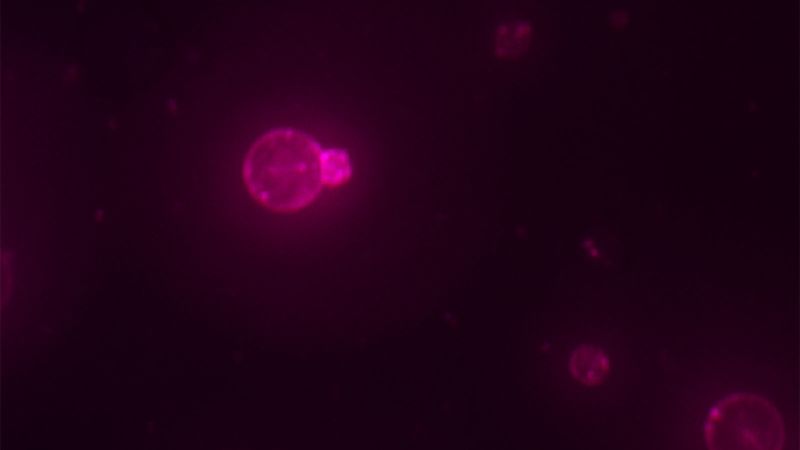
 Twitter / XScientists construct synthetic cell from nonliving chemical components that can feed, grow, and replicatecnn.it
Key quotes
· 3 pulledScientists say they have built a cell from scratch for the first time that can feed, grow and replicate like a natural cell.
This breakthrough in synthetic biology could usher in an era of made-to-order organisms that function like living machines.
The creation is a limited and fragile prototype, but it could help scientists better understand...
You might also wanna read

University of Minnesota team creates synthetic cells that feed, grow, and reproduce
Scientists at the University of Minnesota have created synthetic cells from chemical building blocks that can feed, grow, reproduce, and com
 nytimes.com·1d ago
Scientists build synthetic cell that can feed, grow and replicate
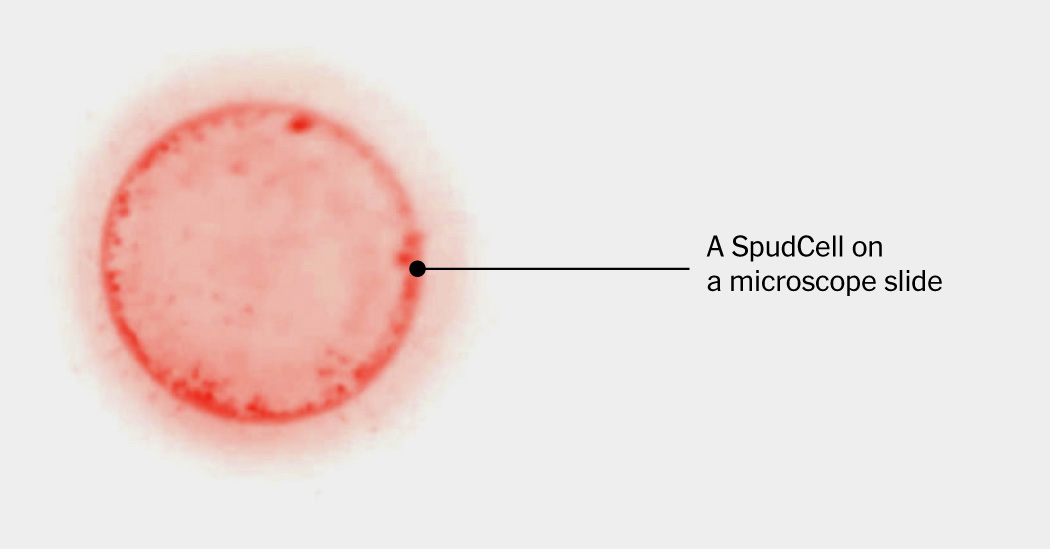
University of Minnesota Twin Cities synthetic biologist Kate Adamala and her team have built SpudCell, a synthetic droplet made from 150-200
%22 d=%22M44,140.1h42.8V272H54.9c0-0.1,0-103.8,0-103.8H44V140.1z M44,1c28.4,0,42.6,16.2,42.6,42.2v66.1H54.9V43.8 c0-7.2-3.1-11.7-10.6-11.7c-7,0-10.6,4.2-10.6,11.7c0,0,0,228.1,0,228.2H0.2c0-0.5,0-228.8,0-228.8C0.1,16.8,14.8,1,44,1L44,1z%22/></svg>) ground.news·7h ago
ground.news·7h ago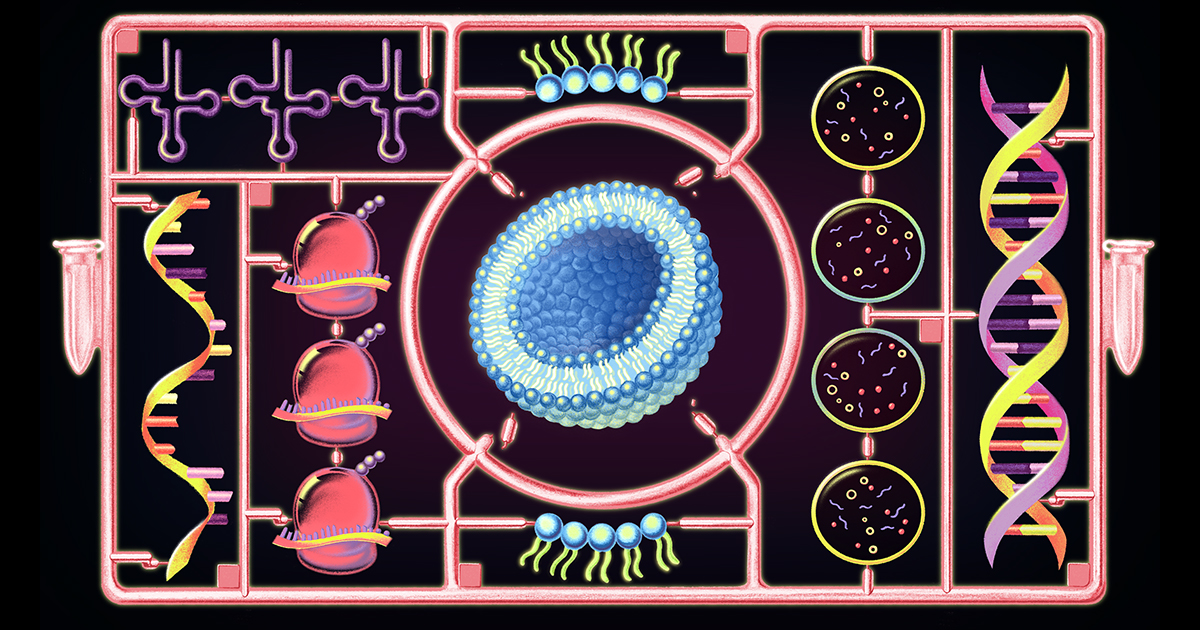
Scientists Build First Synthetic Cell From Scratch That Grows and Divides
For the first time, scientists have built a synthetic cell from nonliving components that successfully grows, replicates its DNA, and divide
 quantamagazine.org·1d ago
Scientists Build First Synthetic Cell From Scratch That Grows and Divides
For the first time, scientists have built a synthetic cell from nonliving components that successfully grows, replicates its DNA, and divide
quantamagazine.org·1d agoScientists Build First Synthetic Cell From Scratch That Grows and Divides
For the first time, scientists have built a synthetic cell from nonliving components that successfully grows, replicates its DNA, and divide
quantamagazine.org·1d agoScientists Build First Synthetic Cell From Scratch That Grows and Divides
For the first time, scientists have built a synthetic cell from nonliving components that successfully grows, replicates its DNA, and divide
quantamagazine.org·1d ago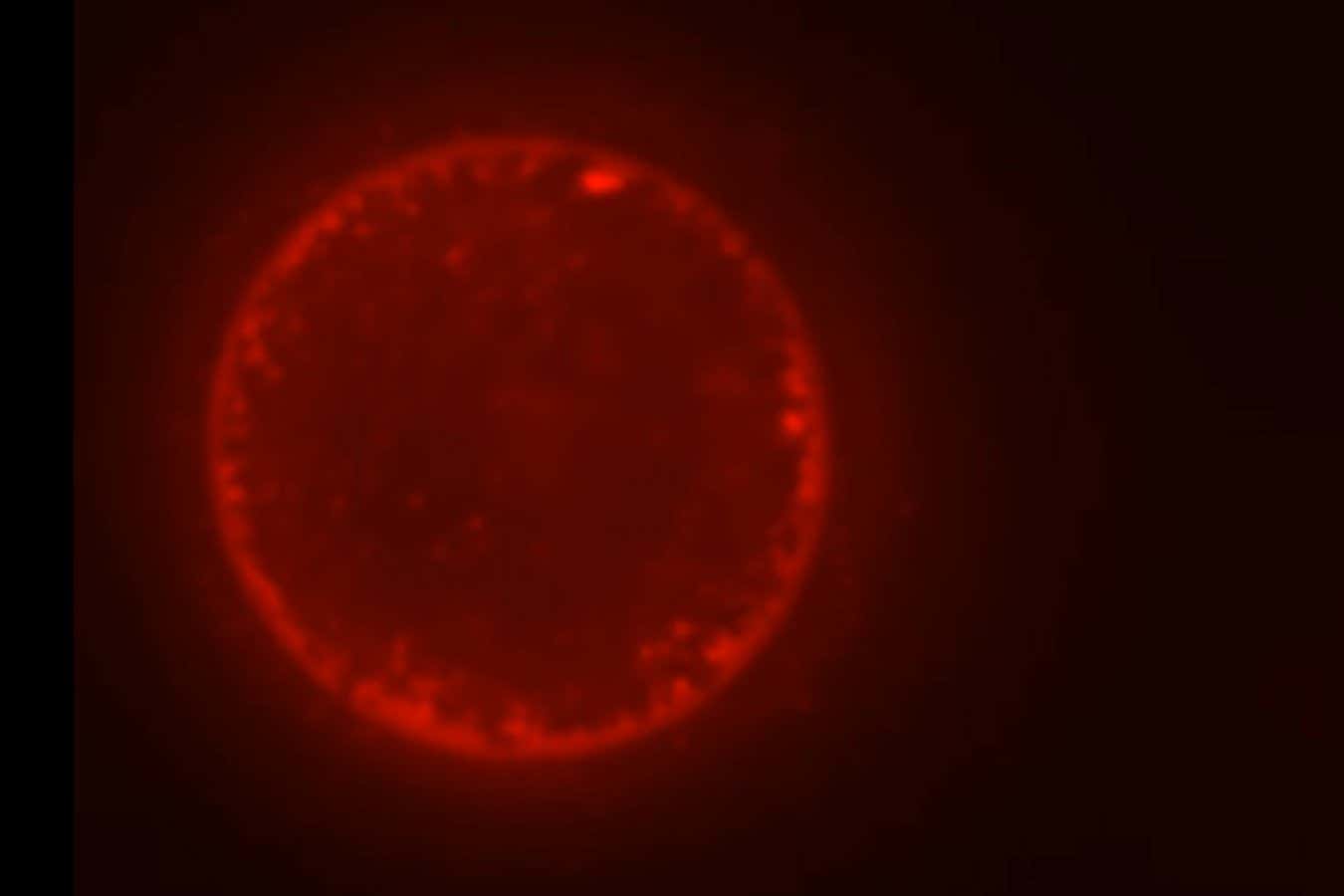
Synthetic biology edges closer to creating artificial life with SpudCell project
The article explores how synthetic biology is approaching the creation of artificial life, highlighting that living organisms are made from
 newscientist.com·8h ago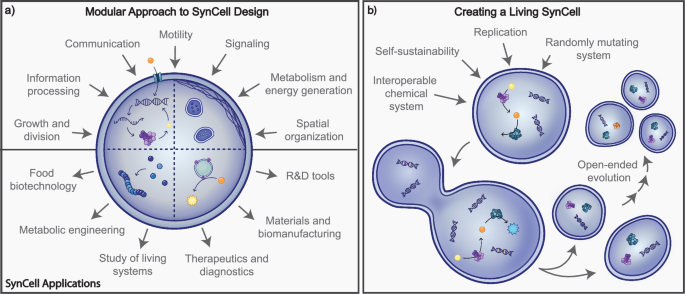
International Collaboration Advances Synthetic Cell Research
The article discusses the emerging field of synthetic cell (SynCell) research, which aims to build artificial cells from molecular component
 nature.com·9mo ago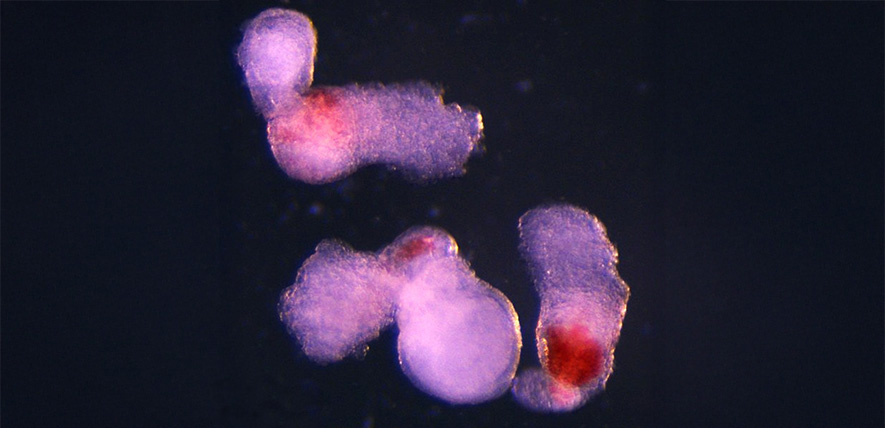
Cambridge Scientists Create Lab-Grown Embryo Models That Produce Blood Cells
University of Cambridge researchers have successfully created three-dimensional embryo-like structures called 'hematoids' from human stem ce
 cam.ac.uk·8mo ago
Comments
Sign in to join the conversation.
No comments yet. Be the first.