
























University of Minnesota researchers create synthetic 'SpudCells' with designer DNA
By
The Economist
Summary
Scientists at the University of Minnesota have created "SpudCells" — synthetic cells with no evolutionary ancestors that contain seven loops of designer DNA. These cells are described as "wimpy" and "helpless" by researcher Kate Adamala, lacking their own metabolism and depending entirely on a controlled environment. They can only follow programmed instructions for growth and reproduction, representing a step towards lab-made life.
Source
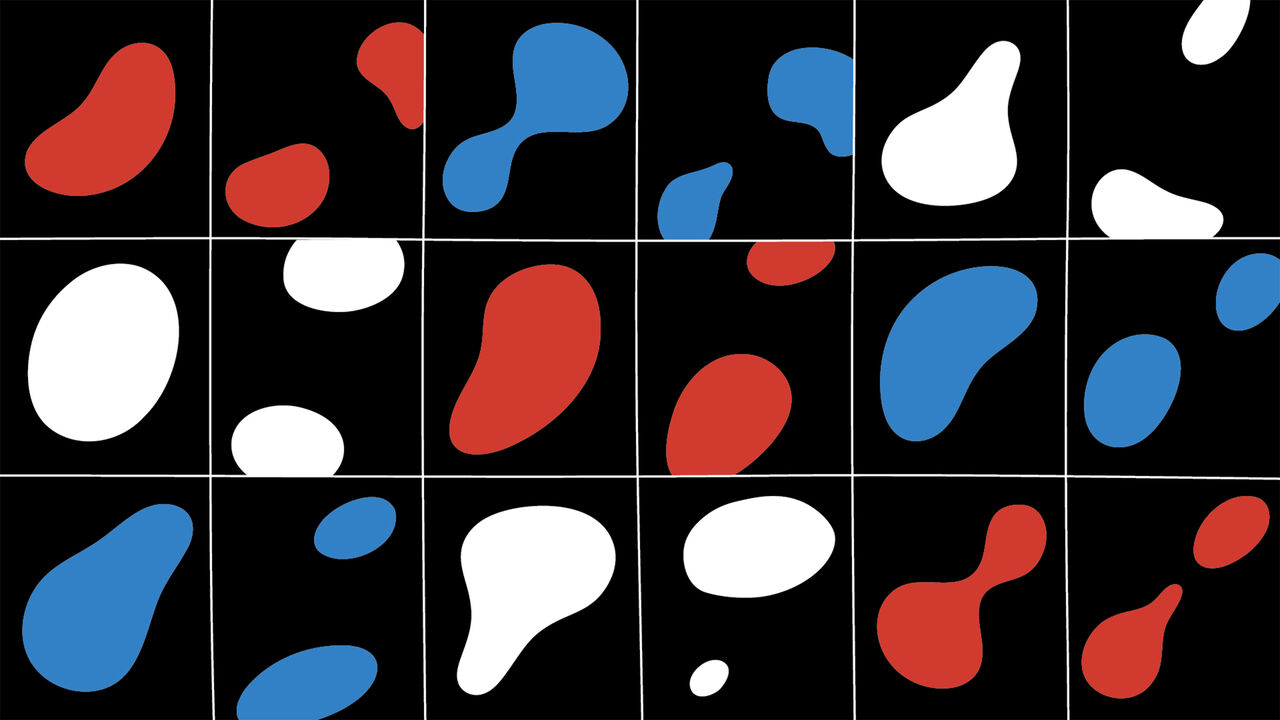
 Twitter / XUniversity of Minnesota researchers create synthetic 'SpudCells' with designer DNAeconomist.com
Key quotes
· 3 pulledThe cells made in Kate Adamala's lab at the University of Minnesota are, in her own words, 'wimpy' and 'helpless'.
They have no metabolism, instead depending on a bespoke environment for nearly everything they need.
They do nothing but follow the programmes for growth and reproduction written into their seven loops of designer DNA.
You might also wanna read


Scientists build synthetic cell that can feed, grow and replicate
University of Minnesota Twin Cities synthetic biologist Kate Adamala and her team have built SpudCell, a synthetic droplet made from 150-200
%22 d=%22M44,140.1h42.8V272H54.9c0-0.1,0-103.8,0-103.8H44V140.1z M44,1c28.4,0,42.6,16.2,42.6,42.2v66.1H54.9V43.8 c0-7.2-3.1-11.7-10.6-11.7c-7,0-10.6,4.2-10.6,11.7c0,0,0,228.1,0,228.2H0.2c0-0.5,0-228.8,0-228.8C0.1,16.8,14.8,1,44,1L44,1z%22/></svg>) ground.news·2d ago
ground.news·2d ago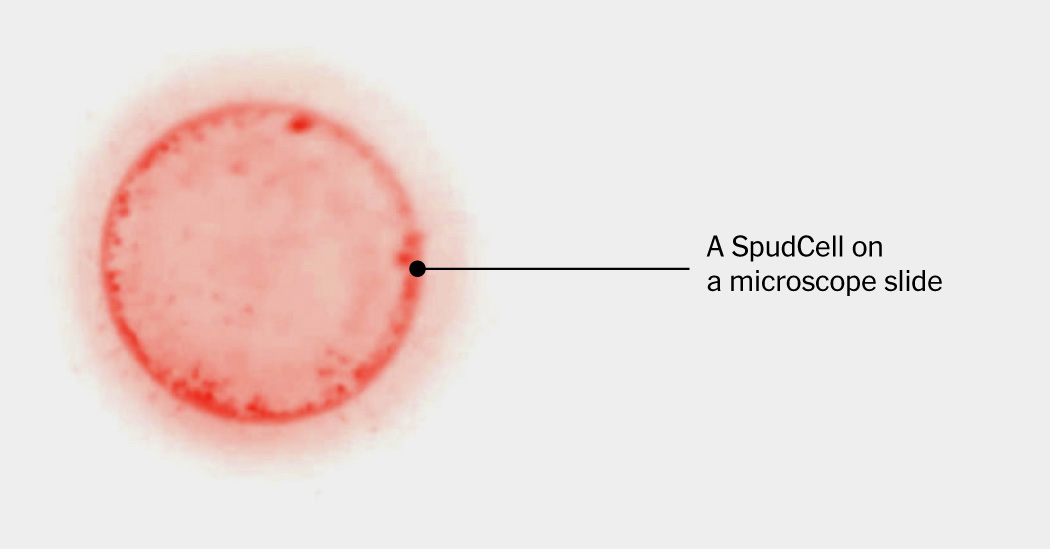
University of Minnesota team creates synthetic cells that feed, grow, and reproduce
Scientists at the University of Minnesota have created synthetic cells from chemical building blocks that can feed, grow, reproduce, and com
 nytimes.com·3d ago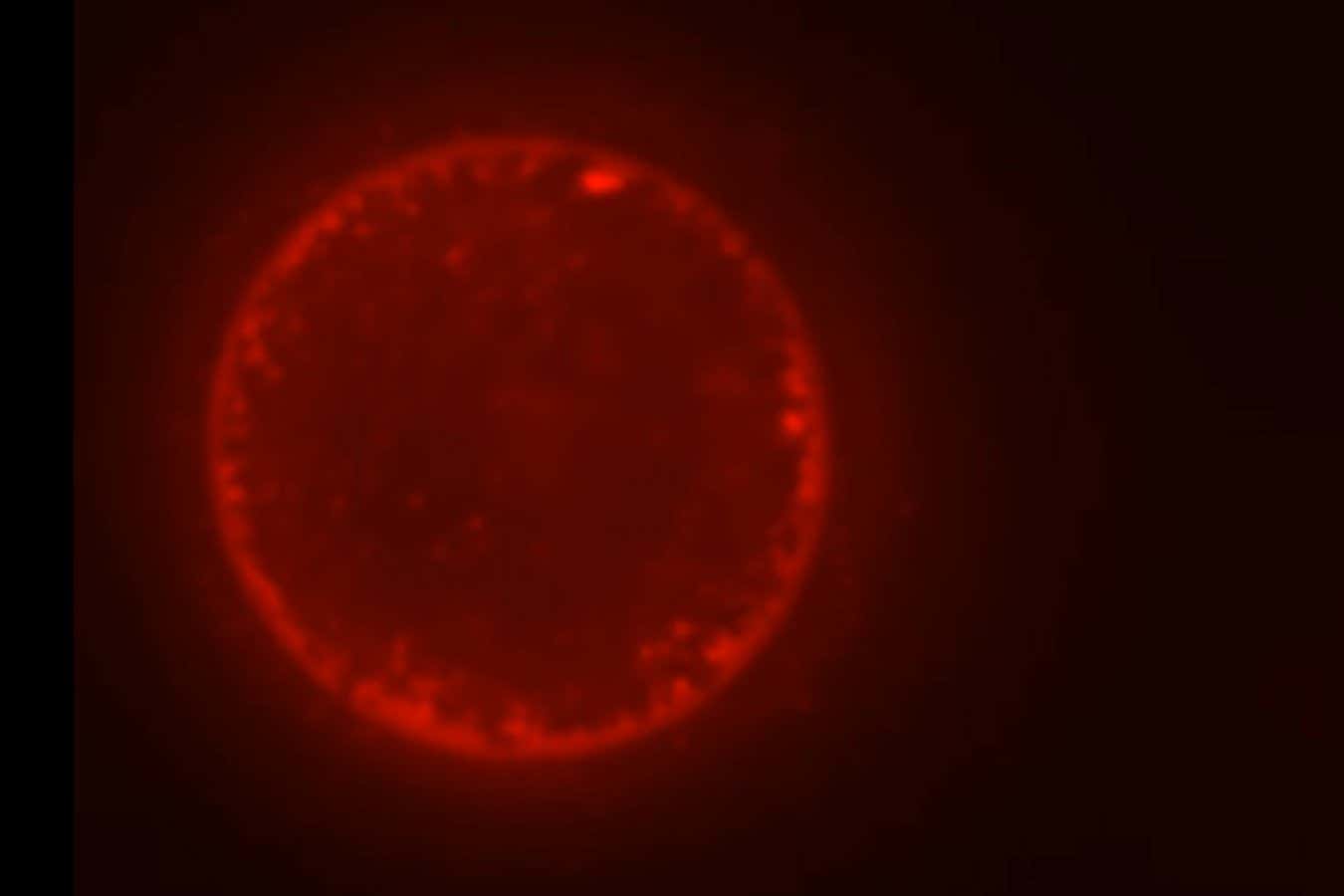
Synthetic biology edges closer to creating artificial life with SpudCell project
The article explores how synthetic biology is approaching the creation of artificial life, highlighting that living organisms are made from
 newscientist.com·2d ago
Synthetic biology edges closer to creating artificial life with SpudCell project
The article explores how synthetic biology is approaching the creation of artificial life, highlighting that living organisms are made from
newscientist.com·2d ago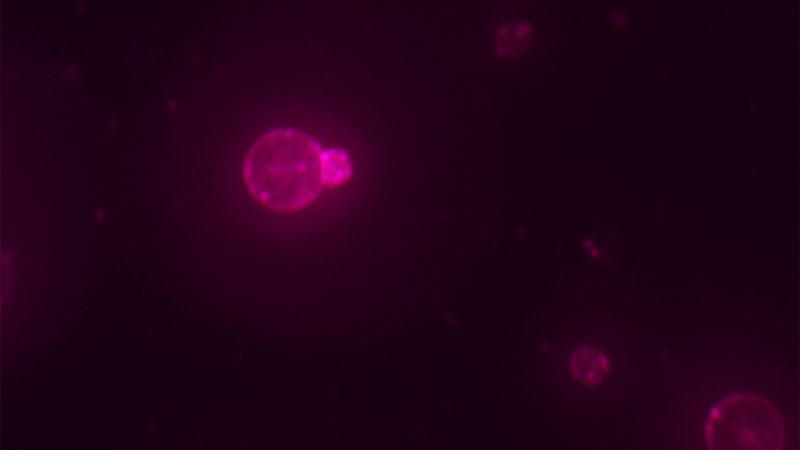
Scientists construct synthetic cell from nonliving chemical components that can feed, grow, and replicate
Scientists at the University of Minnesota, led by synthetic biologist Kate Adamala, have constructed a synthetic cell from nonliving chemica
 edition.cnn.com·1d ago
Scientists take another step towards lab-made life
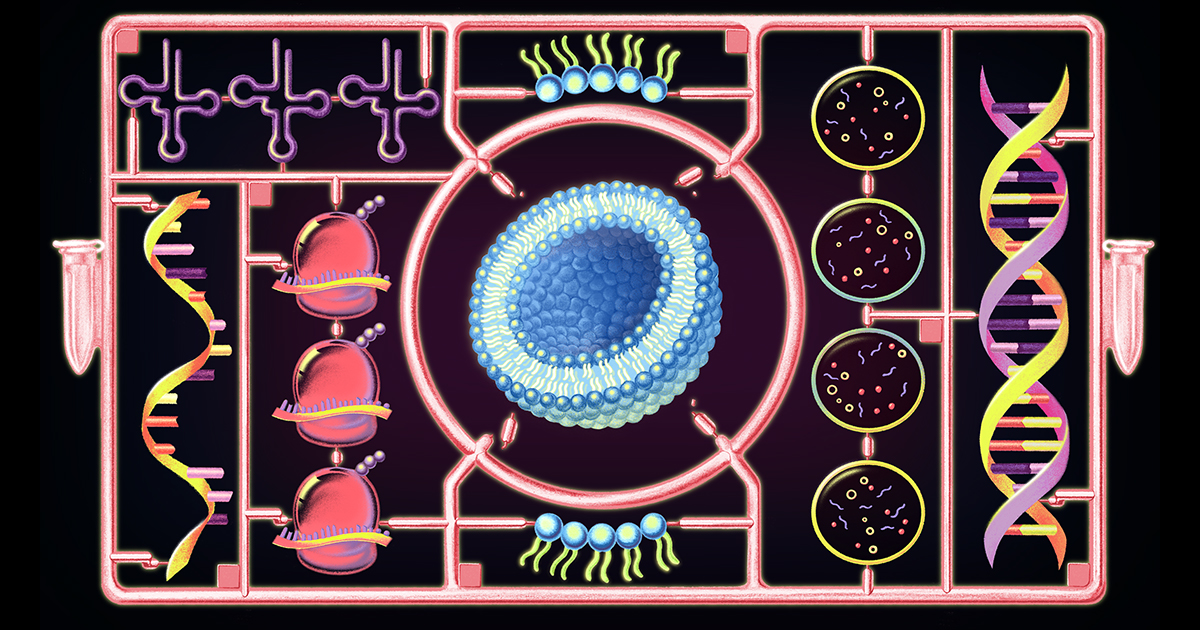
Scientists Build First Synthetic Cell From Scratch That Grows and Divides
For the first time, scientists have built a synthetic cell from nonliving components that successfully grows, replicates its DNA, and divide
 quantamagazine.org·3d ago
Scientists Build First Synthetic Cell From Scratch That Grows and Divides
For the first time, scientists have built a synthetic cell from nonliving components that successfully grows, replicates its DNA, and divide
quantamagazine.org·3d agoScientists Build First Synthetic Cell From Scratch That Grows and Divides
For the first time, scientists have built a synthetic cell from nonliving components that successfully grows, replicates its DNA, and divide
quantamagazine.org·3d agoScientists Build First Synthetic Cell From Scratch That Grows and Divides
For the first time, scientists have built a synthetic cell from nonliving components that successfully grows, replicates its DNA, and divide
quantamagazine.org·3d ago
Comments
Sign in to join the conversation.
No comments yet. Be the first.