
























The Teenage Brain: Social Sensitivity, Risk-Taking, and What It Means for Practice
By
Professor Francisco Musich
Source
 acamh.orgThe Teenage Brain: Social Sensitivity, Risk-Taking, and What It Means for Practiceacamh.org
You might also wanna read

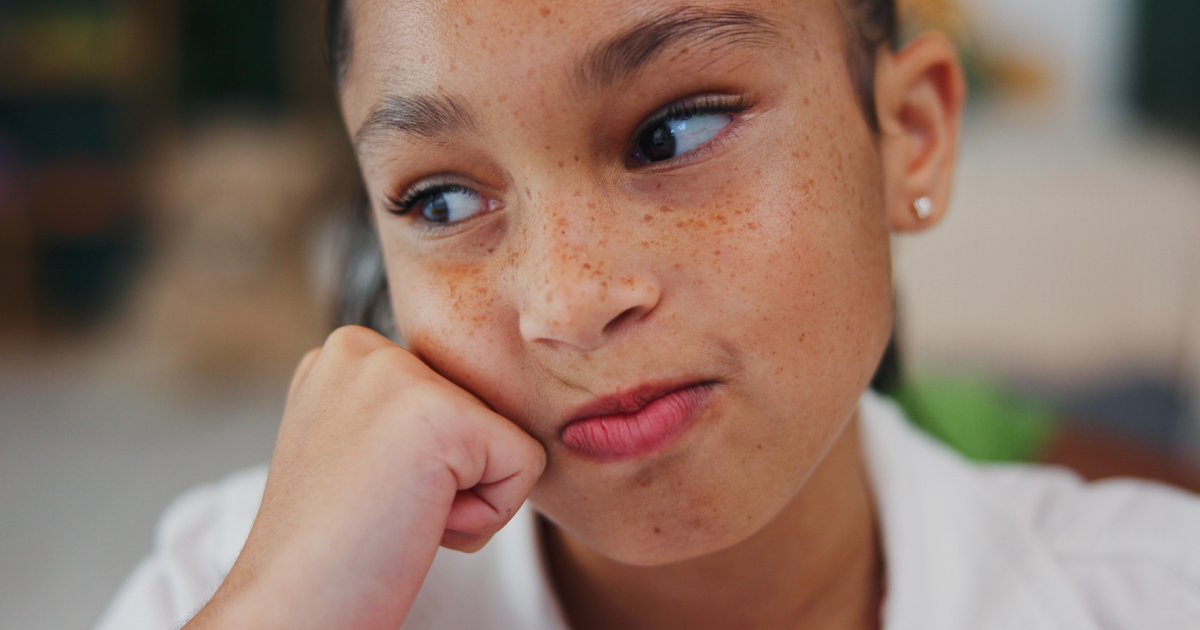
How Adolescent Brain Development Drives Social Sensitivity and Risk-Taking: Insights for Mental Health Professionals
Adolescence involves major brain development that makes teenagers highly sensitive to social information like peer evaluation, rewards, and
 bit.ly·23d ago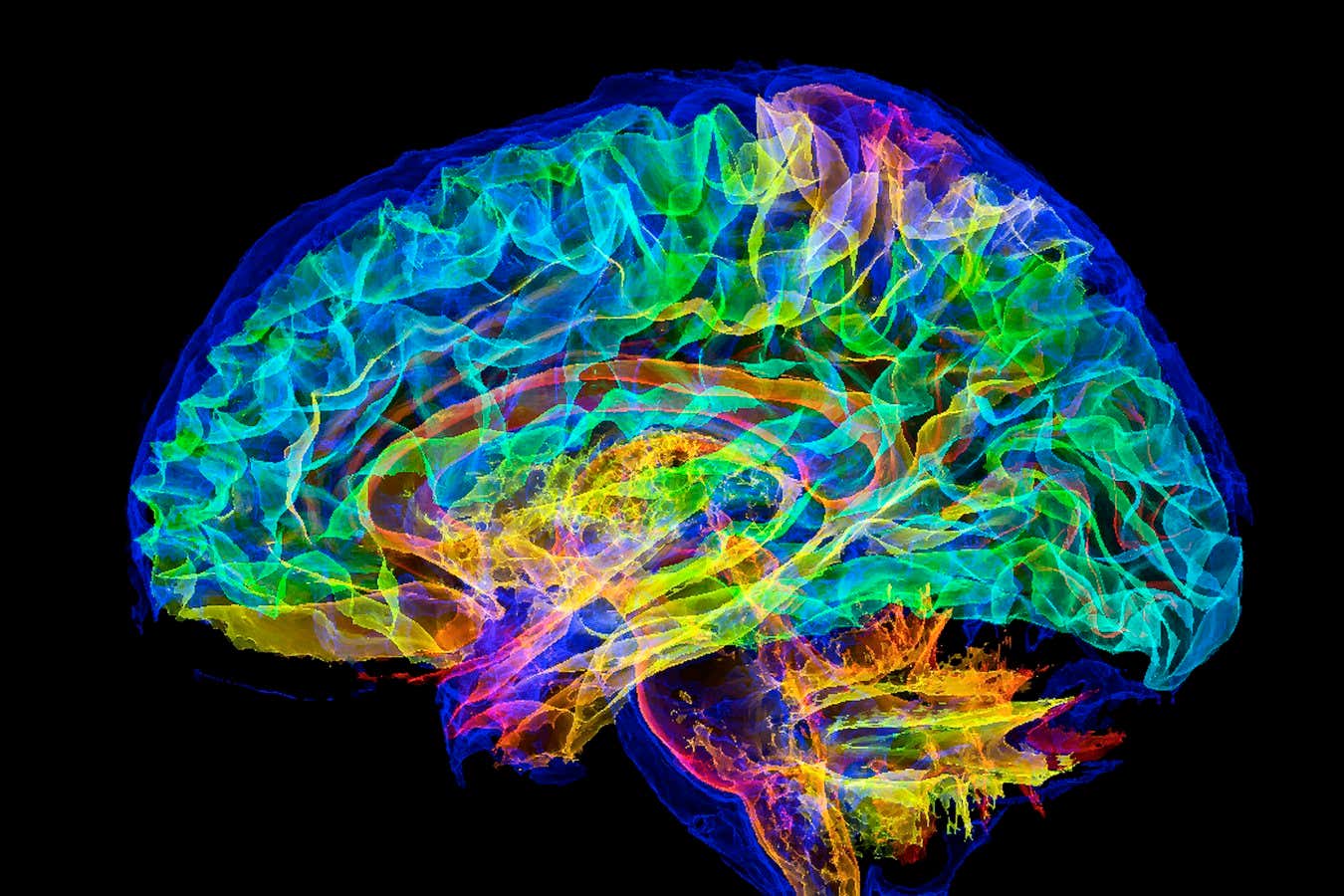
Why neuroscience is not ready to guide brain-based policymaking
This article critically examines the growing trend of policymakers turning to neuroscience to inform laws and policies, arguing that the sci
 newscientist.com·5d ago
Why neuroscience is not ready to guide brain-based policymaking
This article critically examines the growing trend of policymakers turning to neuroscience to inform laws and policies, arguing that the sci
newscientist.com·5d ago
Singapore Study: Heavy Infant Screen Time Linked to Teen Anxiety and Brain Development Changes
A Singapore government study tracking 168 children for over a decade found that infants exposed to high screen time before age two showed br
 bloomberg.com·6mo ago
Scientists question evidence behind teenage social media bans, warn of potential backfire effects
Scientists argue that social media bans for teenagers lack solid scientific evidence and may backfire. Dr. Monika Neff Lind and colleagues,
 frontiersin.org·1mo ago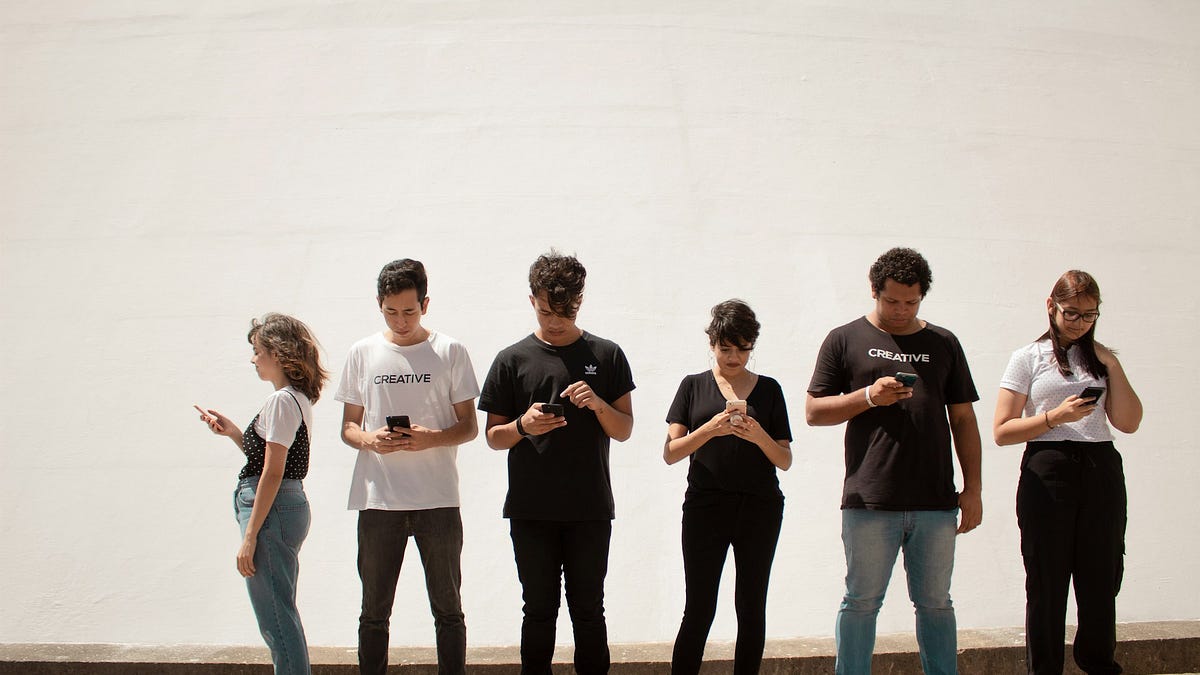
Study Finds Significant Memory Decline in Young Adults Under 40
A scientific study published in Neurology analyzing 4.5 million survey responses from the CDC's Behavioral Risk Factor Surveillance System r
 onepercentrule.substack.com·7mo ago
Learning as a key driver of behavioural individuality in adults
This article explores how behavioural individuality emerges and persists throughout life. It argues that while genetic and environmental fac
Comments
Sign in to join the conversation.
No comments yet. Be the first.