
























Why neuroscience is not ready to guide brain-based policymaking
By
New Scientist
Summary
This article critically examines the growing trend of policymakers turning to neuroscience to inform laws and policies, arguing that the science is not yet mature enough for such applications. It uses the example of varying legal ages of adulthood (16 to 21 across different countries) to illustrate how neuroscience cannot provide clear-cut answers about brain development stages. The piece warns against oversimplifying complex brain states into neat categories for governance purposes, emphasizing that the brain's energy-saving shortcuts and subconscious decision-making processes resist such tidy classifications.
Source
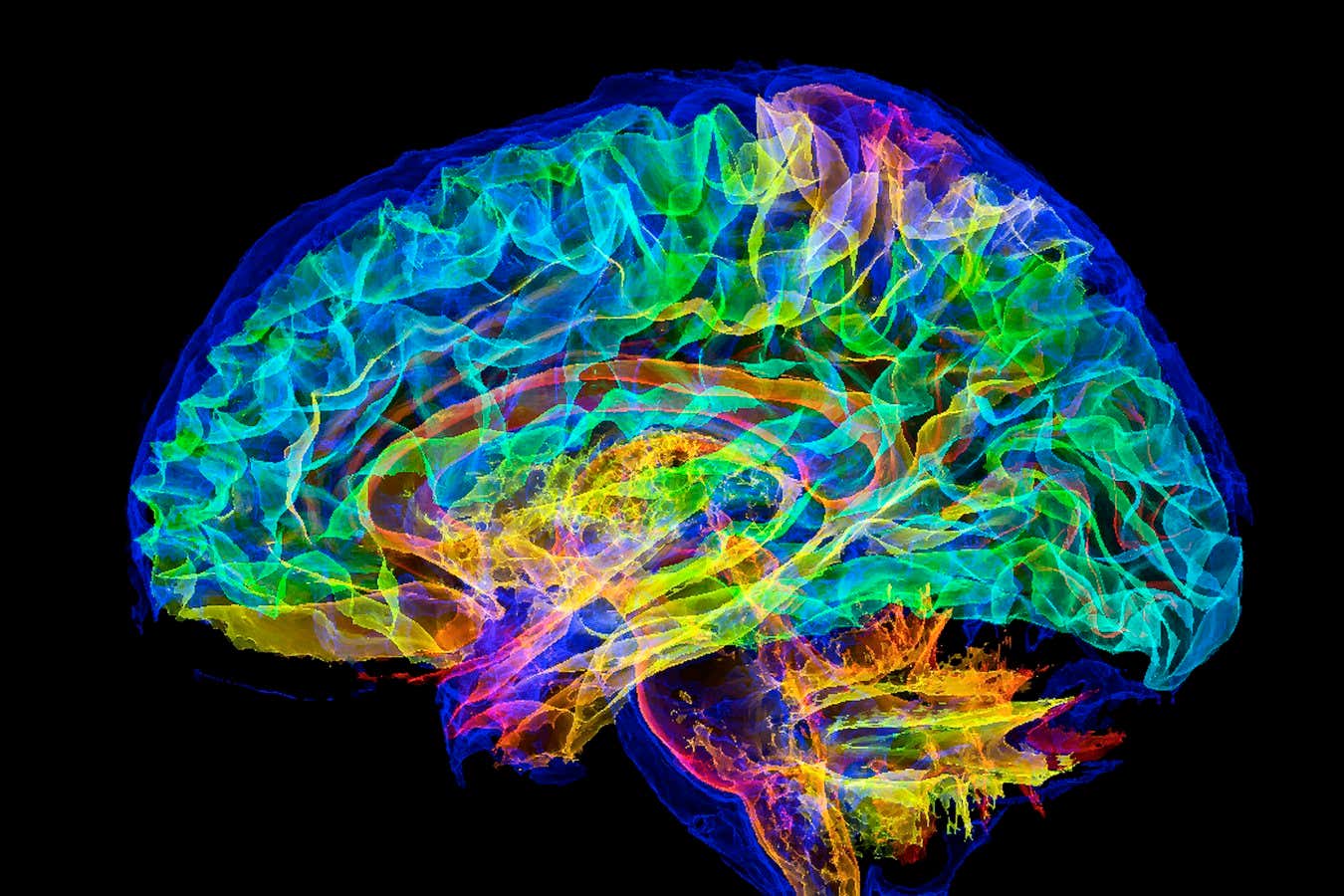
 Twitter / XWhy neuroscience is not ready to guide brain-based policymakingnewscientist.com
Key quotes
· 4 pulledOur brains love shortcuts.
Decisions are often made via a subconscious muddling through, due to the brain's desire to minimise energy use.
It is perhaps why we value neat categorisations of someone's brain state, despite these being flawed.
Some call for this tension to be smoothed by asking policy-makers to c...
You might also wanna read


Neuroscience evidence supports raising England's age of criminal responsibility from ten
This article examines the age of criminal responsibility in England and Wales, currently set at ten years old, which is among the lowest in
 tcnv.link·13d ago
Neuroscience suggests real intelligence emerges between minds, not in isolation
This article explores the paradox that while AI systems excel at individual cognitive tasks like translation, protein folding, and chess, th
 psychologytoday.com·25d ago
Study Identifies Five Developmental Epochs in Human Brain Organization with Turning Points at Ages 9, 32, 66, and 83
A comprehensive study analyzing brain scans of nearly 4,000 people from infancy to old age has identified five major developmental epochs in
 theguardian.com·7mo ago
Moving beyond the debate: Harnessing hippocampal stem cells to combat cognitive aging
This Perspective article argues for moving beyond the debate about whether adult neurogenesis exists in the human hippocampus, and instead f
 plos.io·1mo ago
A neurobiological account of conscious and nonconscious thought in decision-making
This Perspective article proposes an operational neurobiological account of thought, arguing that thoughts are neural representations of pro
 pnas.org·29d ago
Neuroscience Struggles to Locate Consciousness in the Brain Despite Decades of Research
The article challenges the long-held neuroscientific assumption that consciousness can be physically located within the brain. Despite decad
 dualisticunity.com·21d ago
Comments
Sign in to join the conversation.
No comments yet. Be the first.