

























How Adolescent Brain Development Drives Social Sensitivity and Risk-Taking: Insights for Mental Health Professionals
By
Professor Francisco Musich
Summary
Adolescence involves major brain development that makes teenagers highly sensitive to social information like peer evaluation, rewards, and threats. This neural sensitivity creates both vulnerabilities (stress, risk-taking, mental health difficulties) and opportunities (learning, identity development, social growth). The article explores how developmental neuroscience explains teenage behavior and offers practical guidance for mental health professionals working with adolescents.
Source

 bskyHow Adolescent Brain Development Drives Social Sensitivity and Risk-Taking: Insights for Mental Health Professionalsbit.ly
Key quotes
· 3 pulledResearch in developmental neuroscience shows that the teenage brain is highly sensitive to social information, including peer evaluation, rewards, threats, and the wider environment.
These changes create both vulnerability and opportunity.
Teenagers may be more vulnerable to stress, risk-taking and mental health difficulties, but this same sensitivity also supports learning, identity development, social growth and adaptation.
You might also wanna read


Singapore Study: Heavy Infant Screen Time Linked to Teen Anxiety and Brain Development Changes
A Singapore government study tracking 168 children for over a decade found that infants exposed to high screen time before age two showed br
 bloomberg.com·5mo ago
How Early Independence Shapes Adult Social Patterns and Friendship Dynamics
The article explores how early independence and self-reliance in childhood can shape adult social patterns, particularly the tendency to mai
 bolde.com·3mo ago
Study finds becoming a father reduces brain cortical volume, aiding parental attachment
A study published in Nature Neuroscience found that becoming a father leads to a reduction in cortical volume (the cerebrum shrinks), partic
 The Economist·1mo ago
Mental Health vs. Emotional Health: Understanding the Difference and Their Impact on Behavior
This article from Amen Clinics explores the distinction between mental health and emotional health, explaining how they differ and how they
 bit.ly·1d ago
Why Service Industry Work Is Essential for Teen Development
Kathryn Jezer-Morton argues that working in the service industry during adolescence is a transformative experience that builds essential lif
 thecut.com·1d ago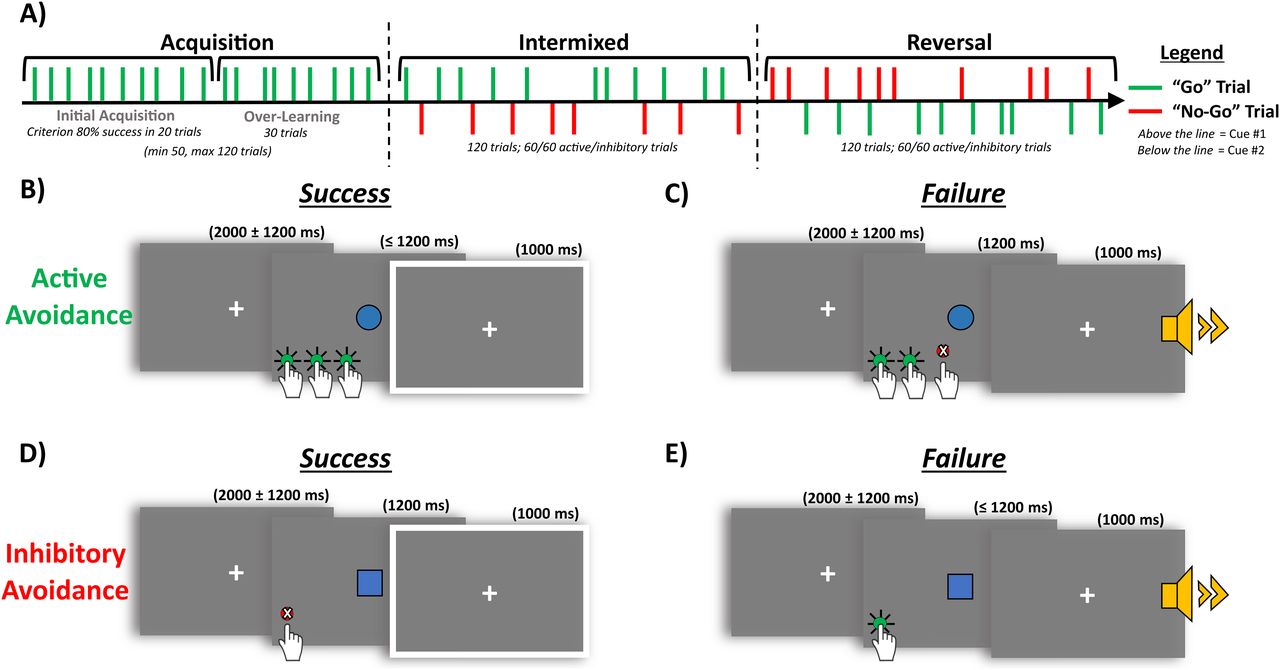
Research Links Depression to Reduced Ability to Learn Active Avoidance Behaviors in Young Adults
This research article presents findings from two studies examining the relationship between depressive symptoms and avoidance behaviors in y
 eneuro.org·9mo ago