





















Singapore Study: Heavy Infant Screen Time Linked to Teen Anxiety and Brain Development Changes
By
1vuio0pswjnm7

Right out the toaster. Reliable, with some real depth.
Summary
A Singapore government study tracking 168 children for over a decade found that infants exposed to high screen time before age two showed brain development changes associated with slower decision-making and higher anxiety in adolescence. The research, published in The Lancet's eBioMedicine journal, adds to growing concerns about early digital exposure's impact on child development.
Key quotes
· 4 pulledchildren exposed to high levels of screen time before age two showed brain development changes linked to slower decision-making and higher anxiety in adolescence
The study was conducted by a team within the country's Agency for Science, Technology and Research and the National University of Singapore
It tracked 168 children for more than a decade, and conducted brain scans on them at three time points
adding to concerns about early digital exposure
You might also wanna read


Por que pesadelos causam cansaço matinal: especialistas explicam a ciência do sono REM
Artigo explica por que acordar após uma noite de pesadelos causa sensação de cansaço. Aborda a ciência do sono REM, onde os pesadelos ocorre
 www1.folha.uol.com.br·1d ago
Antarctic study finds prolonged close-quarters living breeds interpersonal conflict
A study of an Antarctic crew reveals that prolonged close-quarters living eventually leads to interpersonal conflict, contrasting with the p
 econ.st·1d ago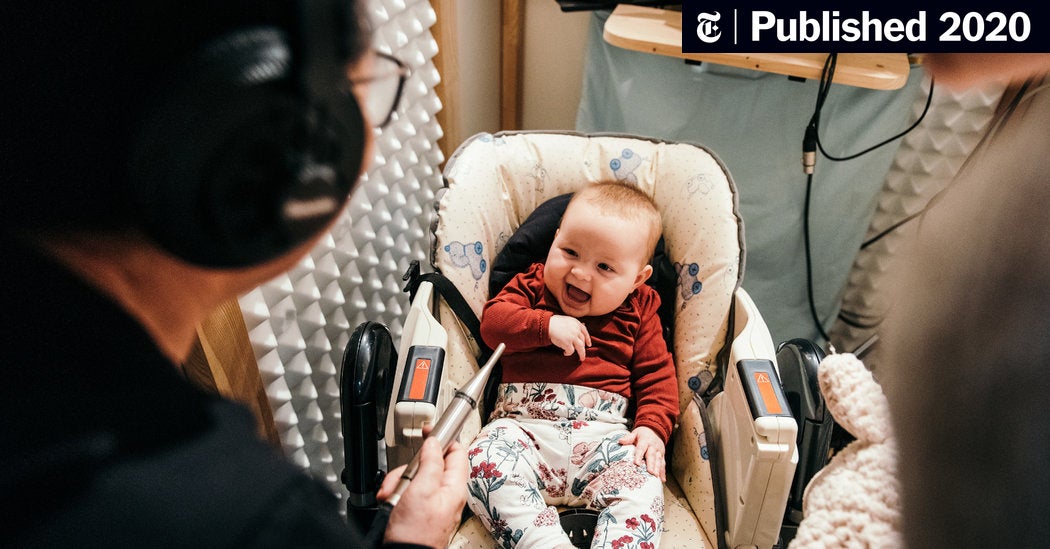
German Researcher Decodes Newborn Cries to Study Pre-Speech Development
This article profiles Dr. Kathleen Wermke, a German researcher at Würzburg University Clinic who studies newborn cries to understand pre-spe
 nytimes.com·3d ago
Large longitudinal study examines delayed cortical thinning as biomarker for attention problems, highlighting sex differences in youth
This study examines whether delayed age-related cortical thinning is a reliable biomarker for attention problems and ADHD in youth. Using a
 pnas.org·4d ago
The Psychology and History of Why We Sleep Under Blankets, Even in Summer Heat
This article explores the psychological and historical reasons why humans feel compelled to sleep under blankets, even during hot weather. I
 atlasobscura.com·7d ago
Scoping review finds bicycling improves psychological, social, and cognitive well-being beyond physical health benefits
This scoping review examines the impact of bicycling (both outdoor and stationary) on psychological, social, affective, and cognitive well-b
 frontiersin.org·9d ago