





















Por que pesadelos causam cansaço matinal: especialistas explicam a ciência do sono REM
By
Giulia Peruzzo

An everything bagel for the brain. Substantive, layered, well-seasoned.
Summary
Artigo explica por que acordar após uma noite de pesadelos causa sensação de cansaço. Aborda a ciência do sono REM, onde os pesadelos ocorrem, e como despertar antes de completar o ciclo do sono gera fadiga matinal. Especialistas explicam os mecanismos cerebrais envolvidos nos pesadelos e seu impacto na qualidade do sono.
Key quotes
· 3 pulledO nosso sonho é dividido em ciclos, e é durante o sono REM que os sonhos acontecem.
Essa é uma fase de intensa atividade cerebral.
Despertar antes de completar ciclo do sono gera sensação de cansaço no dia seguinte.
You might also wanna read


Antarctic study finds prolonged close-quarters living breeds interpersonal conflict
A study of an Antarctic crew reveals that prolonged close-quarters living eventually leads to interpersonal conflict, contrasting with the p
 econ.st·1d ago
Large longitudinal study examines delayed cortical thinning as biomarker for attention problems, highlighting sex differences in youth
This study examines whether delayed age-related cortical thinning is a reliable biomarker for attention problems and ADHD in youth. Using a
 pnas.org·4d ago
The Psychology and History of Why We Sleep Under Blankets, Even in Summer Heat
This article explores the psychological and historical reasons why humans feel compelled to sleep under blankets, even during hot weather. I
 atlasobscura.com·6d ago
Scoping review finds bicycling improves psychological, social, and cognitive well-being beyond physical health benefits
This scoping review examines the impact of bicycling (both outdoor and stationary) on psychological, social, affective, and cognitive well-b
 frontiersin.org·9d ago
The Biological Transformation of Fathers: How Fatherhood Rewires the Male Brain
The article explores how fatherhood biologically transforms men's brains and behavior, similar to how motherhood changes women. It discusses
 bbc.com·1mo ago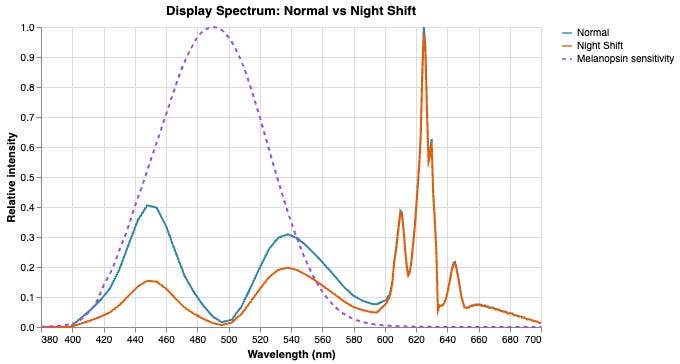
Blue Light Filters Are Ineffective for Sleep Improvement, Says Visual Neuroscientist
A visual neuroscientist explains that blue light filters are ineffective for improving sleep, arguing that controlling total luminance (brig
 neuroai.science·3mo ago