

























Texas A&M study shows mammals may have hidden regenerative abilities that could be activated
By
nryoo
Summary
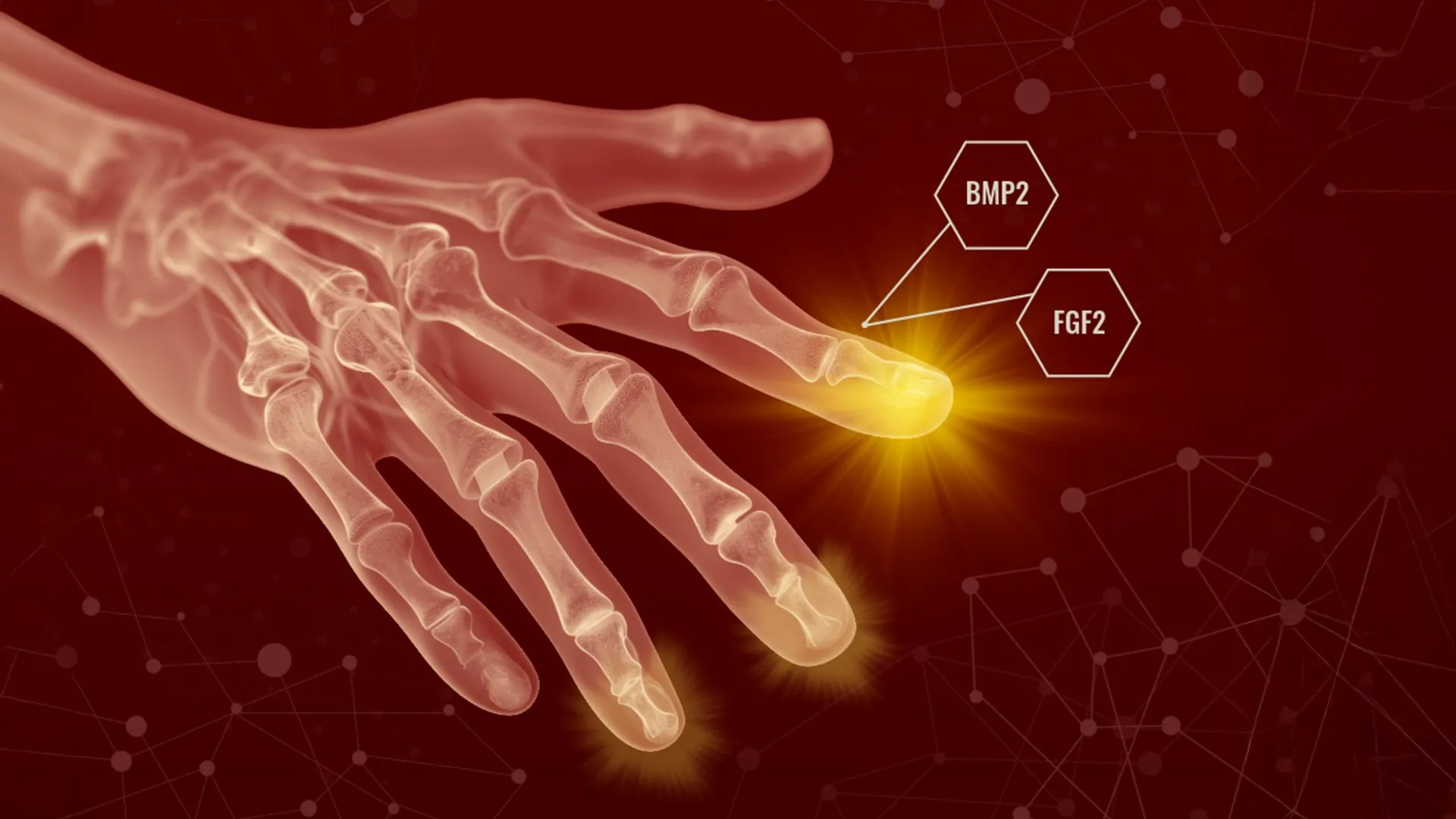
New research from Texas A&M University suggests that mammals, including humans, may possess hidden regenerative abilities that are normally suppressed in favor of scar formation. Using a two-stage treatment in animal studies, researchers successfully redirected the healing process to regrow complex body parts including bone, joints, ligaments, and tendons after amputation, rather than forming scar tissue. This challenges the long-held scientific belief that mammals are fundamentally incapable of regeneration like salamanders, and opens the door to potential future therapies for human tissue regeneration.
Source
 Hacker NewsTexas A&M study shows mammals may have hidden regenerative abilities that could be activatedsciencedaily.com
Key quotes
· 3 pulledWhy some animals can regenerate while others cannot has long been one of biology's great mysteries.
The ability to rebuild complex body parts may not be lost after all—it may simply be switched off.
Using a two-stage treatment, researchers redirected the body's normal healing response away from scar formation and toward regrowth.
You might also wanna read

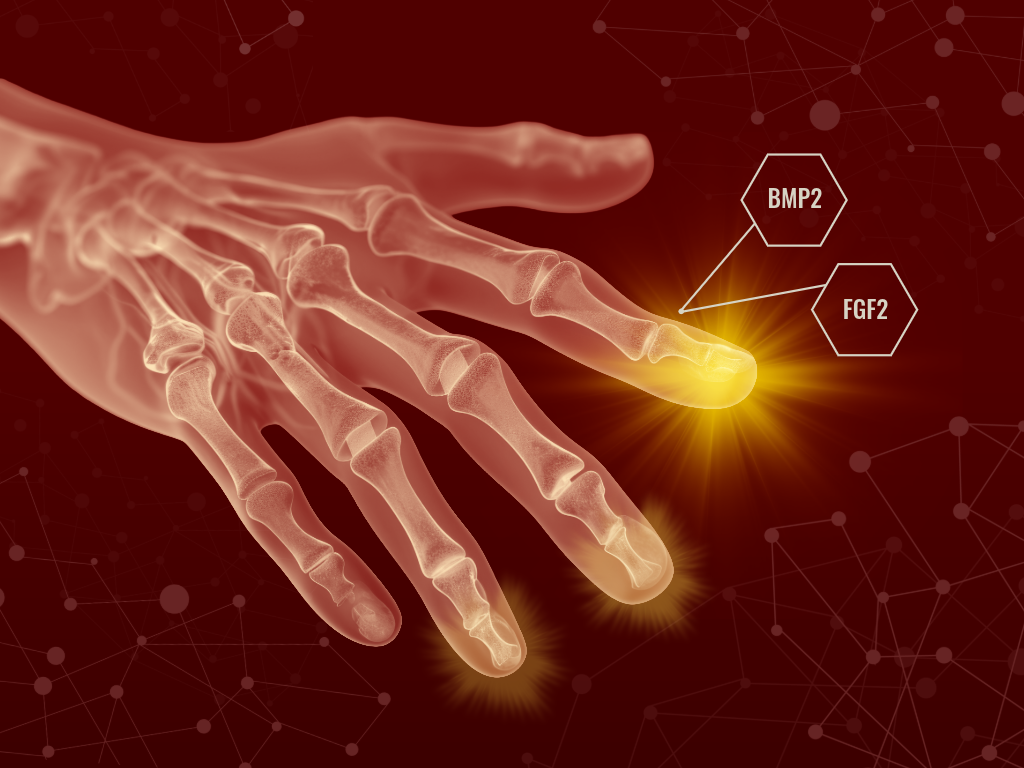
Texas A&M study successfully regenerates skeletal and connective tissue, advancing limb regeneration research
Texas A&M researchers have made a breakthrough in tissue regeneration, successfully regenerating skeletal and connective tissue in mammals.
 stories.tamu.edu·5d ago
Scientists Make Progress Toward Limb Regeneration With Serum That Triggered Digit Regrowth in Mice
Scientists are researching limb regeneration in mammals, inspired by salamanders like axolotls that can regrow lost limbs in 40-50 days. A r
 popularmechanics.com·2d ago
Scientists Develop Serum That Triggers Digit Regrowth in Mice, Paving Way for Human Limb Regeneration Research
Scientists are researching limb regeneration in mammals, inspired by axolotls and salamanders that can regrow lost limbs in 40-50 days. A ne
popularmechanics.com·2d ago
New Serum Triggers Digit Regrowth in Mice, Advancing Human Limb Regeneration Research
Scientists are researching limb regeneration in mammals, inspired by axolotls and salamanders that can regrow lost limbs in 40-50 days. A ne
popularmechanics.com·1d ago
Study identifies postnatal fibroblast population that blocks skin regeneration by driving hyperinnervation
This study reveals that late embryonic full-thickness skin injuries in mammals can regenerate diverse cell types across all lineages (epithe

Cambridge study using lab-grown brain circuits suggests nerve regeneration may be reversible
A new study from the University of Cambridge, published in Cell Reports, used lab-grown brain circuits (organoids) to investigate nerve rege
 discovermagazine.com·13d ago
Comments
Sign in to join the conversation.
No comments yet. Be the first.