





















Texas A&M study successfully regenerates skeletal and connective tissue, advancing limb regeneration research

Toasted golden, schmeared with insight. Top of the rack.
Summary
Texas A&M researchers have made a breakthrough in tissue regeneration, successfully regenerating skeletal and connective tissue in mammals. The study, from the College of Veterinary Medicine and Biomedical Sciences (VMBS), suggests that humans may not be permanently limited in their ability to regrow lost body parts, moving science closer to potential limb regeneration capabilities similar to those seen in salamanders.
Key quotes
· 4 pulledFor centuries, the inability to regrow lost body parts has been considered a defining limitation of humans and other mammals.
While animals like salamanders can regenerate entire limbs, humans are left with scar tissue.
New research from the Texas A&M College of Veterinary Medicine and Biomedical Sciences (VMBS) suggests that this limitation may not be permanent.
Researchers have successfully regenerated skeletal and connective tissue — even if not perfectly formed — demonstrating the next, critical step in limb regeneration.
You might also wanna read

Researchers Study Axolotls for Limb Regeneration Insights
Researchers are using gene-edited axolotls to understand limb regeneration, potentially aiding human limb regrowth.
smithsonianmag.com·1y ago
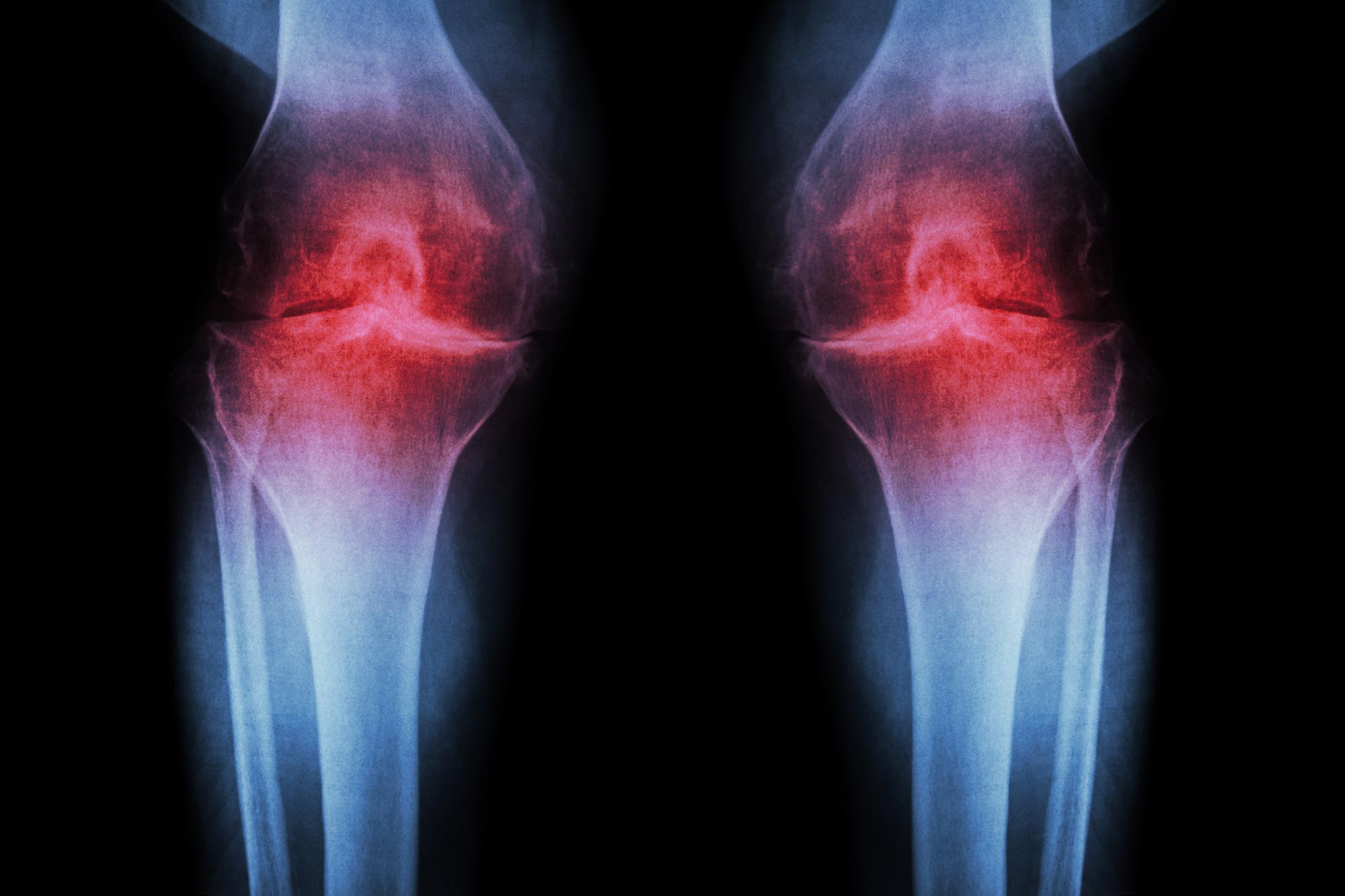
Stanford Researchers Develop Injection That Regenerates Knee Cartilage and Prevents Arthritis
Stanford Medicine researchers have developed an anti-aging injection that regenerates knee cartilage and prevents arthritis by blocking an a
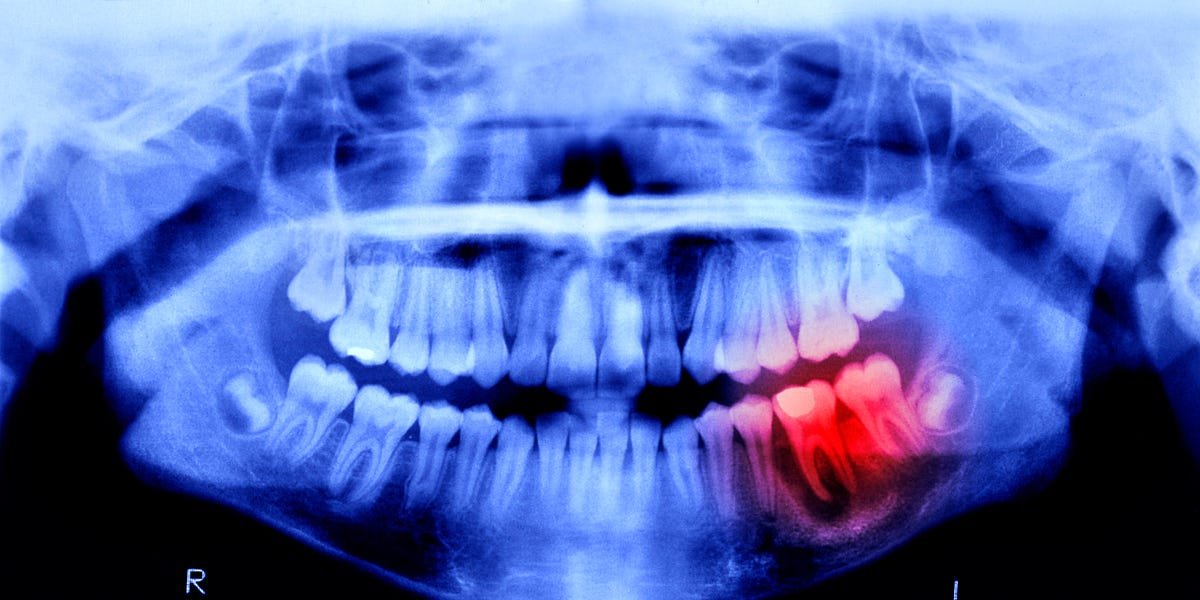
Scientific Research Advances Toward Human Tooth Regeneration Within 4-5 Years
The article discusses promising scientific research that could enable humans to regrow teeth within the next few years. While bones can natu
 popularmechanics.com·5mo ago
Brazilian Researchers Develop Polylaminin Drug That May Reverse Spinal Cord Injuries
Brazilian researchers have developed a groundbreaking drug called polylaminin, derived from placental protein laminin, that shows promise in
 www1.folha.uol.com.br·9mo ago
Polylaminin polymer improves motor function recovery after spinal cord injury in rat model
This study investigates the use of polylaminin, a biomimetic polymer form of laminin, for treating spinal cord injury (SCI) in rats. While l
 researchgate.net·9mo ago
UBCO Researchers Develop 3D-Printed Living Lung Tissue
UBCO researchers have developed a 3D bio-printed model that mimics natural lung tissue, revolutionizing the study of lung disease and treatm
news.ok.ubc.ca·11mo ago