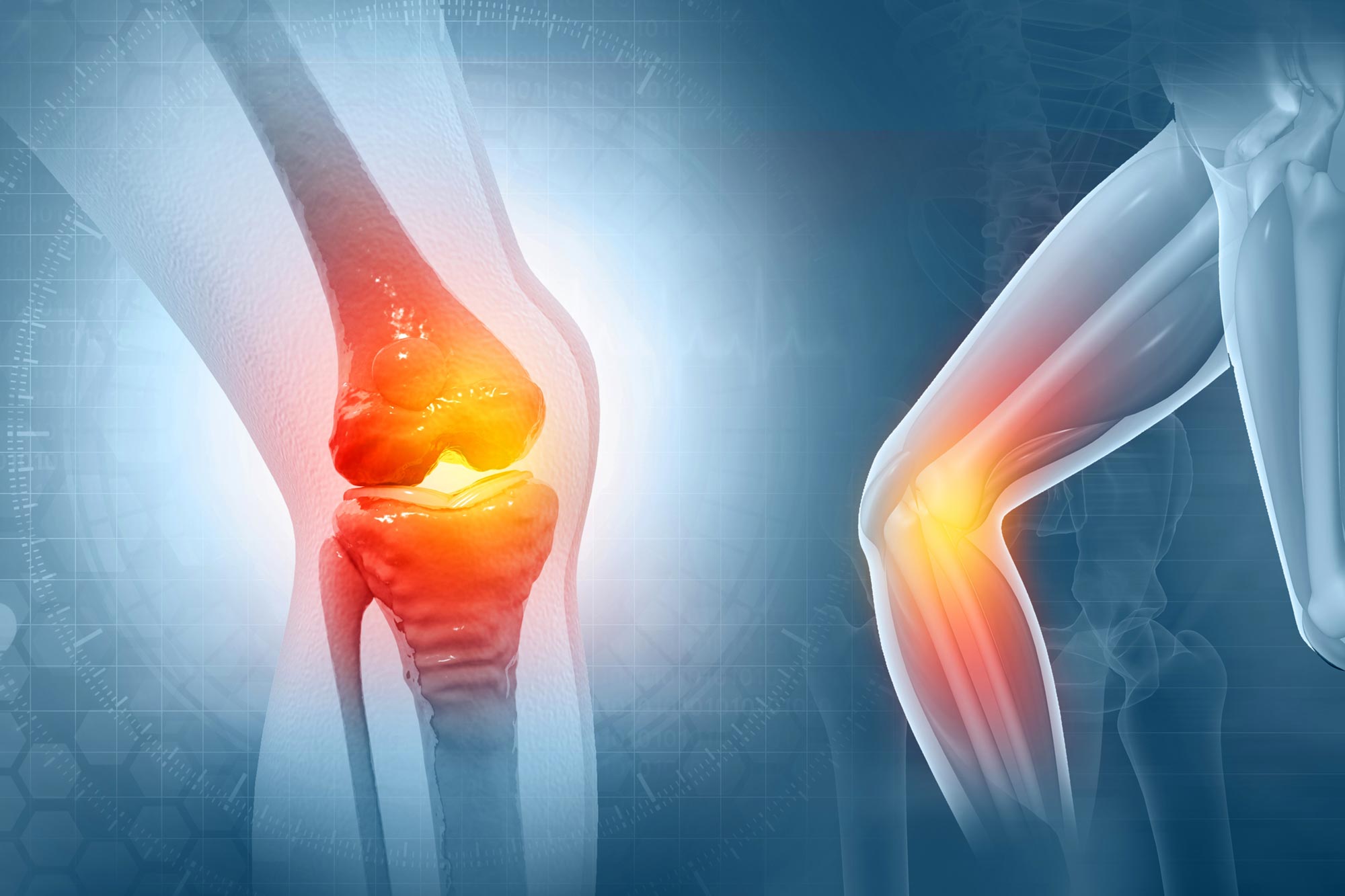
Stanford Researchers Develop Injection That Regenerates Knee Cartilage and Prevents Arthritis
By
nis0s
4mo ago· 10 min readenNews

100/100
Golden Brown
Bagelometer↗
Kettled twice. Extra chewy, extra trustworthy.
Score100TypenewsSentimentpositive
Summary
Stanford Medicine researchers have developed an anti-aging injection that regenerates knee cartilage and prevents arthritis by blocking an age-related protein. The treatment works by reprogramming existing cells rather than using stem cells, and has shown success in restoring cartilage in aging and injured joints in mice studies.
Key quotes
· 4 pulledScientists have identified a way to regenerate cartilage by targeting a protein that increases with age, reversing joint damage in older animals and preventing arthritis after injury.
A treatment that blocks an age-related protein restored cartilage in aging and injured joints by reprogramming existing cells rather than using stem cells.
Researchers at Stanford Medicine report that blocking a protein linked to aging can restore cartilage that naturally wears away in the knees of older mice.
The injectable treatment not only rebuilt cartilage but also stopped arthritis progression after injury.
A treatment that blocks an age-related protein restored cartilage in aging and injured joints by reprogramming existing cells rather than using stem cells. Researchers at Stanford Medicine report that blocking a protein linked to aging can restore cartila