

























Scientists Make Progress Toward Limb Regeneration With Serum That Triggered Digit Regrowth in Mice
By
Danielle Zickl
Summary
Scientists are researching limb regeneration in mammals, inspired by salamanders like axolotls that can regrow lost limbs in 40-50 days. A recent breakthrough involved a serum that helped mice regrow part of a digit by triggering blastema formation, suggesting a potential future pathway toward human limb regeneration. While still early-stage research, this could eventually lead to medical treatments where humans regrow fingers or limbs instead of relying on prosthetics.
Source

 Twitter / XScientists Make Progress Toward Limb Regeneration With Serum That Triggered Digit Regrowth in Micepopularmechanics.com
Key quotes
· 3 pulledIt sounds like pure science fiction, but scientists are currently working to unlock the secrets of limb regeneration in mammals, drawing inspiration from salamanders.
Axolotls, a type of salamander, can take roughly 40 to 50 days to regrow lost limbs, which is a flash compared to humans and other mammals.
A new serum helped mice regrow part of a digit by triggering blastoma formation, hinting at a future path toward human limb regeneration.
You might also wanna read

Researchers Study Axolotls for Limb Regeneration Insights
Researchers are using gene-edited axolotls to understand limb regeneration, potentially aiding human limb regrowth.
smithsonianmag.com·1y ago
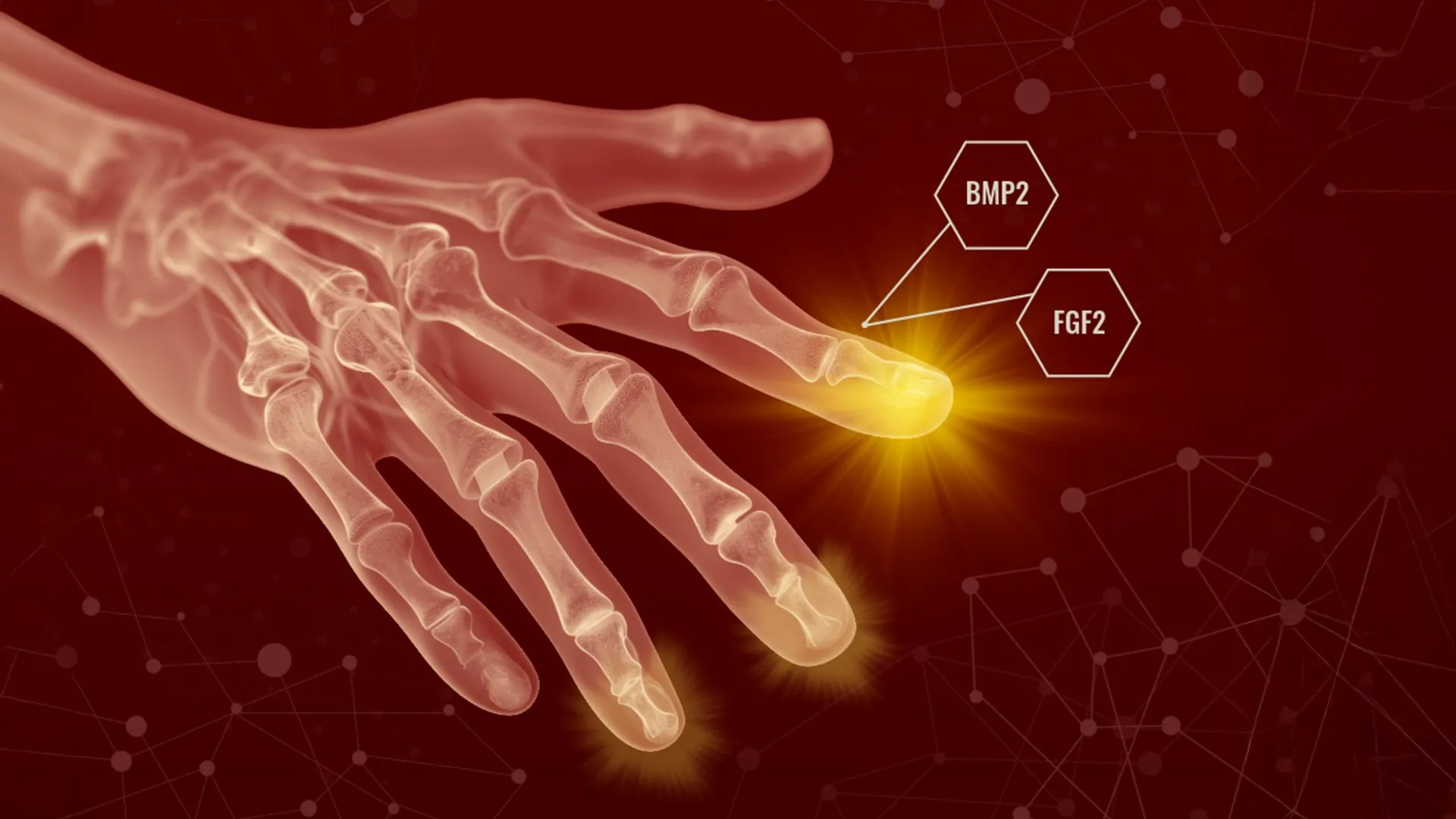
Texas A&M study shows mammals may have hidden regenerative abilities that could be activated
New research from Texas A&M University suggests that mammals, including humans, may possess hidden regenerative abilities that are normally

Texas A&M study successfully regenerates skeletal and connective tissue, advancing limb regeneration research
Texas A&M researchers have made a breakthrough in tissue regeneration, successfully regenerating skeletal and connective tissue in mammals.
 stories.tamu.edu·5d ago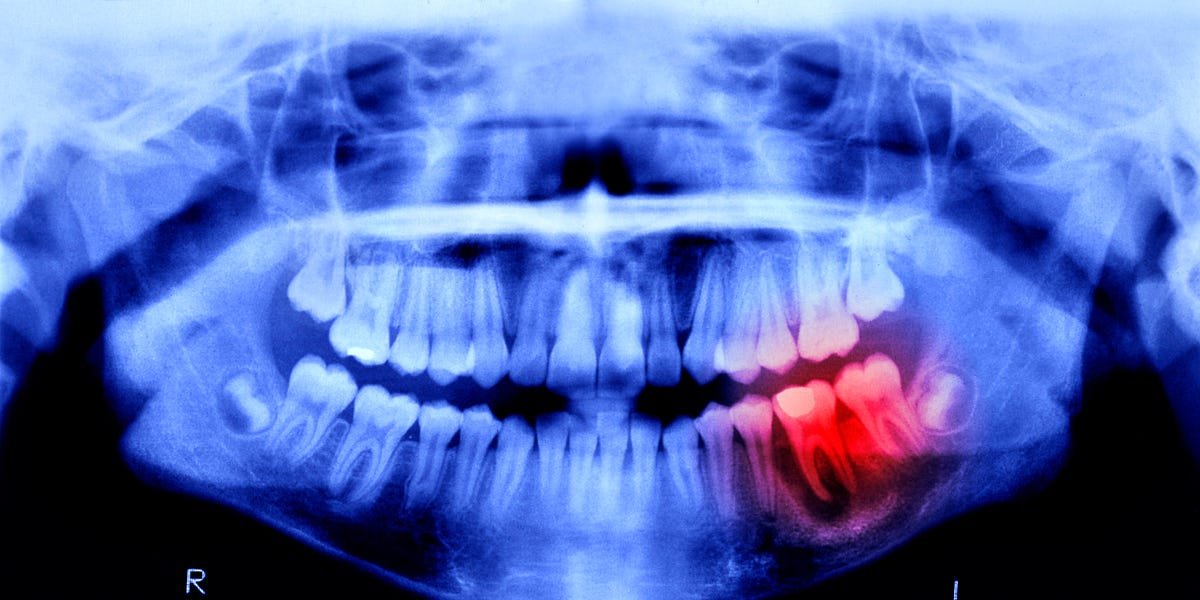
Scientific Research Advances Toward Human Tooth Regeneration Within 4-5 Years
The article discusses promising scientific research that could enable humans to regrow teeth within the next few years. While bones can natu
popularmechanics.com·5mo ago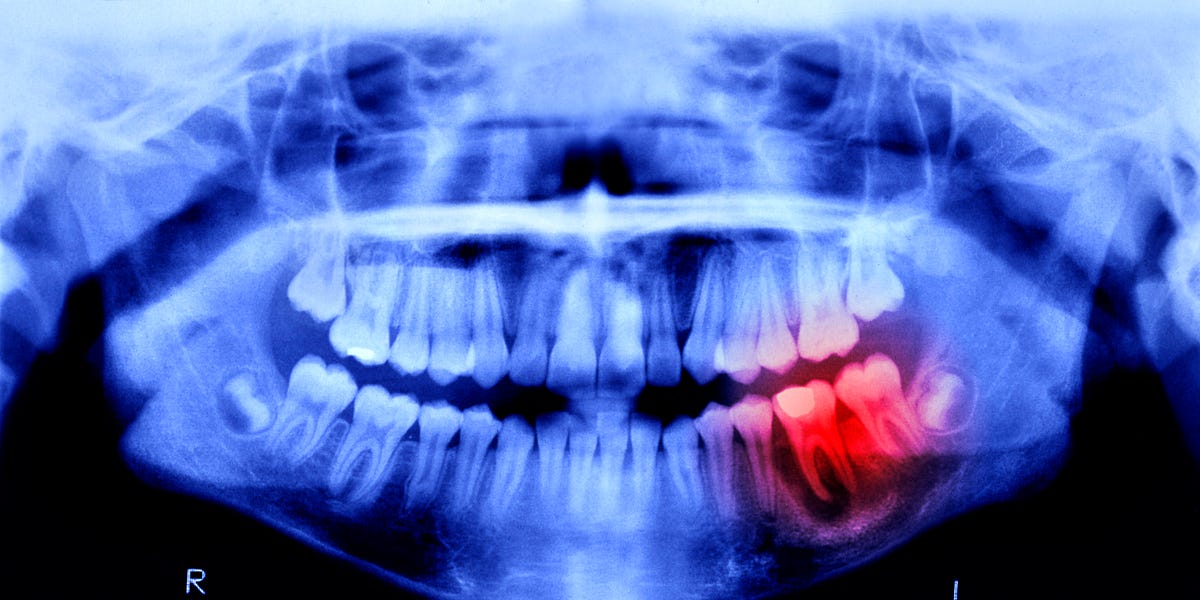
New Clinical Trials Aim to Enable Human Tooth Regrowth by 2030
A new scientific development suggests humans may be able to regrow teeth within the next four years (by approximately 2030). The article exp
popularmechanics.com·18d ago
Study identifies postnatal fibroblast population that blocks skin regeneration by driving hyperinnervation
This study reveals that late embryonic full-thickness skin injuries in mammals can regenerate diverse cell types across all lineages (epithe
Comments
Sign in to join the conversation.
No comments yet. Be the first.