

























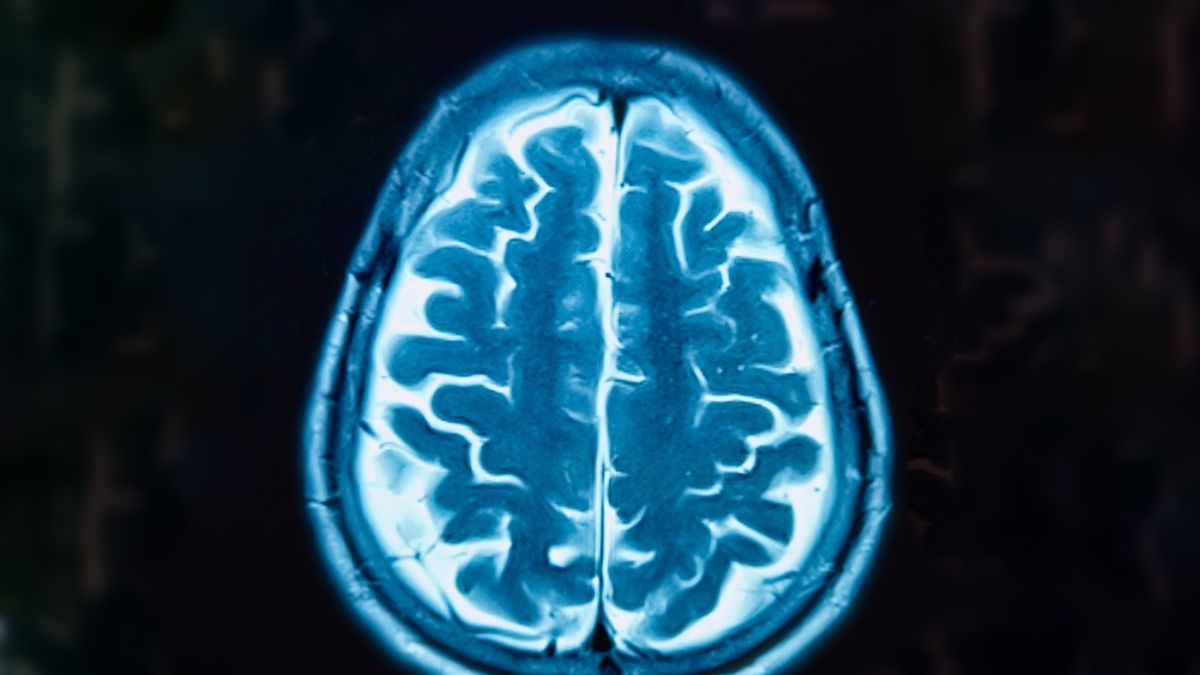
Cambridge study using lab-grown brain circuits suggests nerve regeneration may be reversible
By
RJ Mackenzie
Summary
A new study from the University of Cambridge, published in Cell Reports, used lab-grown brain circuits (organoids) to investigate nerve regeneration. The research focused on axons—the thin wires that carry nerve signals—and found that the loss of regenerative capacity in the developing human nervous system may be reversible. This challenges the long-held belief that damage to nerves or the brain is permanent, offering potential pathways for future treatments.
Source
 bskyCambridge study using lab-grown brain circuits suggests nerve regeneration may be reversiblediscovermagazine.com
Key quotes
· 3 pulledThe developing human nervous system is capable of remarkable feats of regeneration.
Our inability to repair these axons after development is a major challenge in neuroscience.
The loss of regenerative capacity may be reversible.
You might also wanna read

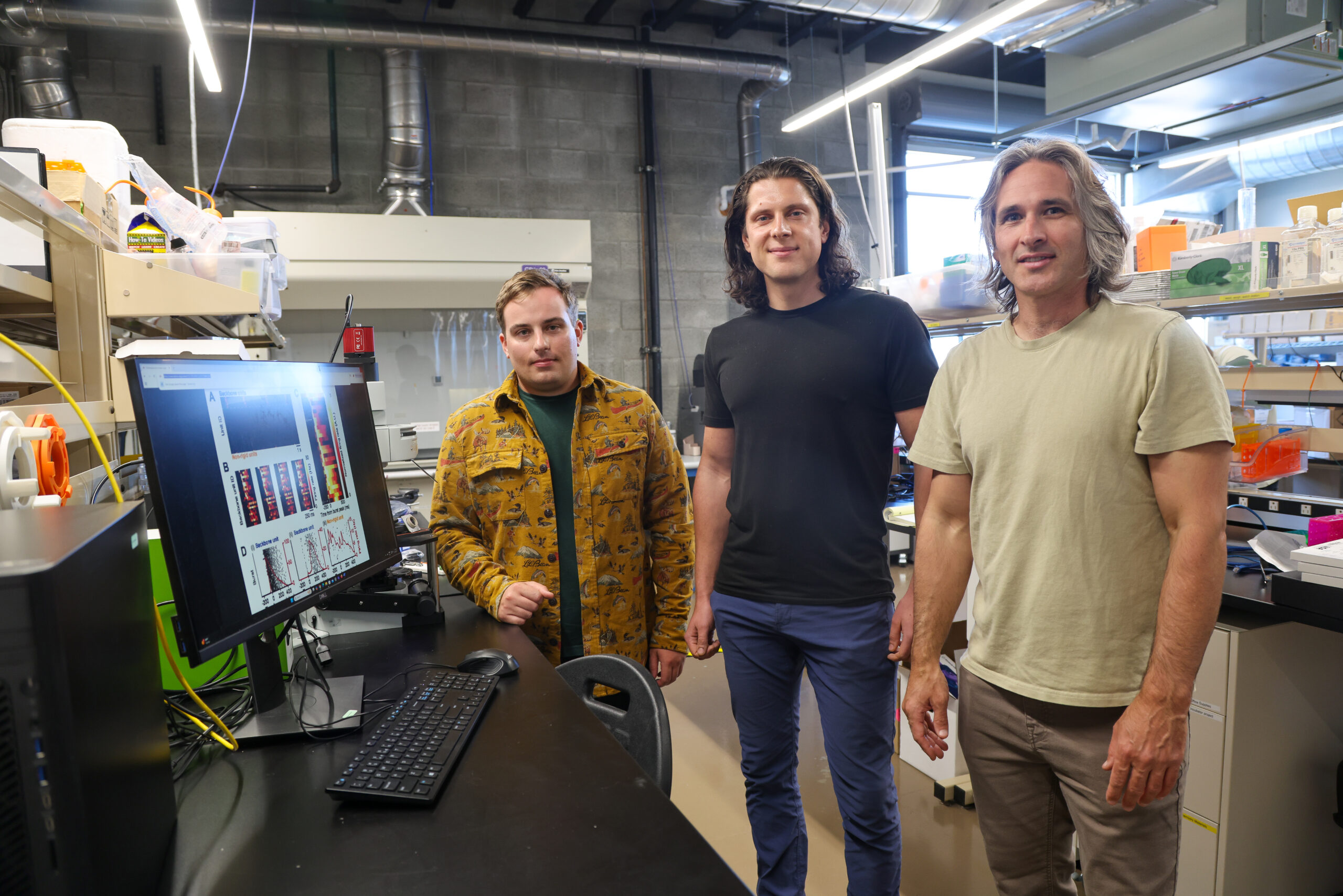
Brain Organoid Research Reveals Pre-Configured Electrical Patterns in Early Human Brain Development
Researchers at UC Santa Cruz used brain organoids to study early brain development, discovering that human brains show organized electrical
 news.ucsc.edu·6mo ago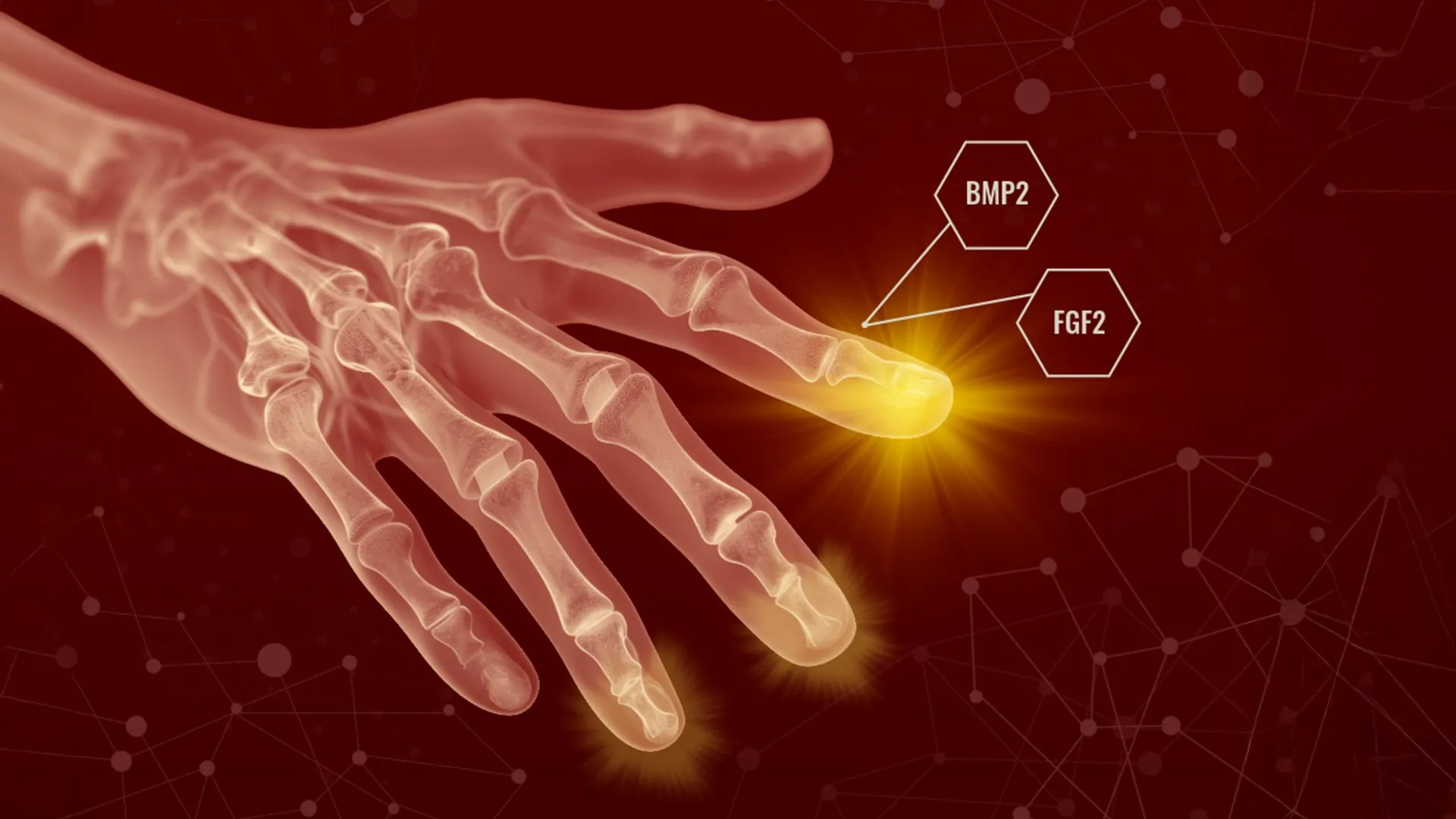
Texas A&M study shows mammals may have hidden regenerative abilities that could be activated
New research from Texas A&M University suggests that mammals, including humans, may possess hidden regenerative abilities that are normally

Researchers Study Axolotls for Limb Regeneration Insights
Researchers are using gene-edited axolotls to understand limb regeneration, potentially aiding human limb regrowth.
smithsonianmag.com·1y ago
Study Shows Alzheimer's Disease Can Be Reversed for Full Neurological Recovery in Animal Models
A research team from Case Western Reserve University, University Hospitals, and the Louis Stokes Cleveland VA Medical Center has demonstrate

Scientists Develop Serum That Triggers Digit Regrowth in Mice, Paving Way for Human Limb Regeneration Research
Scientists are researching limb regeneration in mammals, inspired by axolotls and salamanders that can regrow lost limbs in 40-50 days. A ne
 popularmechanics.com·2d ago
Brazilian Researchers Develop Polylaminin Drug That May Reverse Spinal Cord Injuries
Brazilian researchers have developed a groundbreaking drug called polylaminin, derived from placental protein laminin, that shows promise in
 www1.folha.uol.com.br·9mo ago
Comments
Sign in to join the conversation.
No comments yet. Be the first.