
























Brain Organoid Research Reveals Pre-Configured Electrical Patterns in Early Human Brain Development
Assistant Professor of Biomolecular Engineering Tal Sharf's lab used organoids to make fundamental discoveries about human brain development.
Read the full articleYou might also wanna read

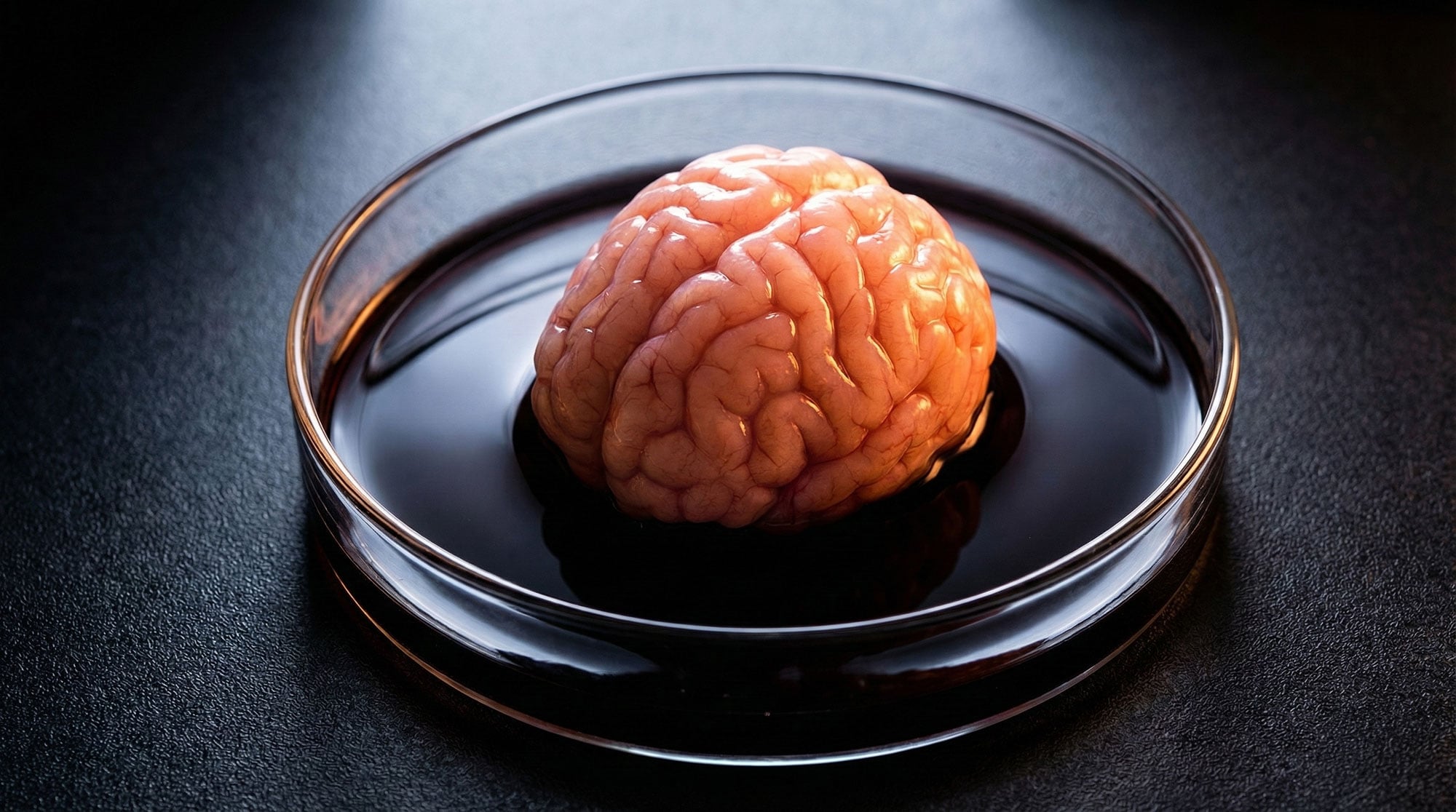
Johns Hopkins Researchers Develop Brain Organoids to Uncover Biological Differences in Alzheimer's Patients
Tiny lab-grown brain models and the particles they release may reveal hidden differences among Alzheimer’s patients.

Single-cell multi-omic atlas and morphogen screening informs midbrain and hindbrain organoid engineering
A Nature study reveals 1-cell transcriptome & chromatin sequence mapping to engineer mid/hindbrain organoids, aiding neuro disorder study. P
How AI models are being repurposed as tools to study the human brain
These systems were not built to explain the brain. But treating them as model organisms that we can perturb and evolve will move us closer t
 thetransmitter.org·25d ago
Human brains develop capacity for thought before birth, neuroscientist explains
By the time we’re born, our brains have all the hardware in place to form thoughts, and possibly even some conscious awareness
 newscientist.com·25d ago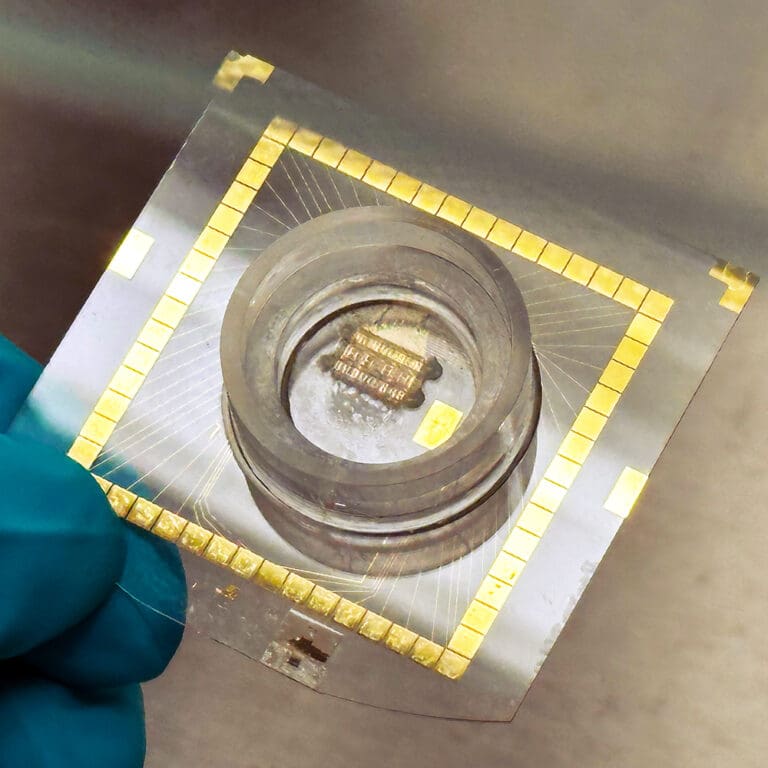
Princeton researchers create 3D brain-computer hybrid device with 70,000 living neurons
Find information and research on ethics, psychology, decision-making, AI, morality, ethical decision-making for mental health practitioners.
 ethicalpsychology.com·1mo ago
Cambridge study using lab-grown brain circuits suggests nerve regeneration may be reversible
Learn how lab-grown brains could help scientists reawaken nerve regeneration.
 discovermagazine.com·1mo ago
Comments
Sign in to join the conversation.
No comments yet. Be the first.