
























JWST detects molecular hydrogen in the ultra-low metallicity dwarf galaxy Leo P
This article reports on the detection of molecular hydrogen (H₂) in Leo P, an extremely metal- and dust-poor dwarf galaxy. Using JWST observations, the authors successfully identified molecular hydrogen emission in a galaxy with such low metallicity and dust content — a challenging feat since H₂ lacks a permanent dipole moment and is typically traced by carbon monoxide (CO), which is scarce in such environments. The discovery provides new insights into star formation and the interstellar medium in conditions similar to the early universe, where metals and dust were far less abundant than in present-day galaxies.
Key quotes
Considering that molecular hydrogen is the most abundant molecule in the universe, you'd think it'd be easier to find.
Leo P is an extremely metal- and dust-poor galaxy, making it a unique laboratory for studying star formation in conditions akin to the early universe.
The detection of molecular hydrogen in such a pristine environment opens new windows into understanding the interstellar medium at low metallicity.
From the article
You might also wanna read
Aerosols and hydrocarbons in the atmosphere of a white dwarf planet


VLT Study Reveals Dramatic Nickel Emission and CN Outgassing in Interstellar Comet 3I/ATLAS
Astronomers using the Very Large Telescope (VLT) have conducted spectroscopic observations of interstellar comet 3I/ATLAS (C/2025 N1) as it
 arxiv.org·10mo ago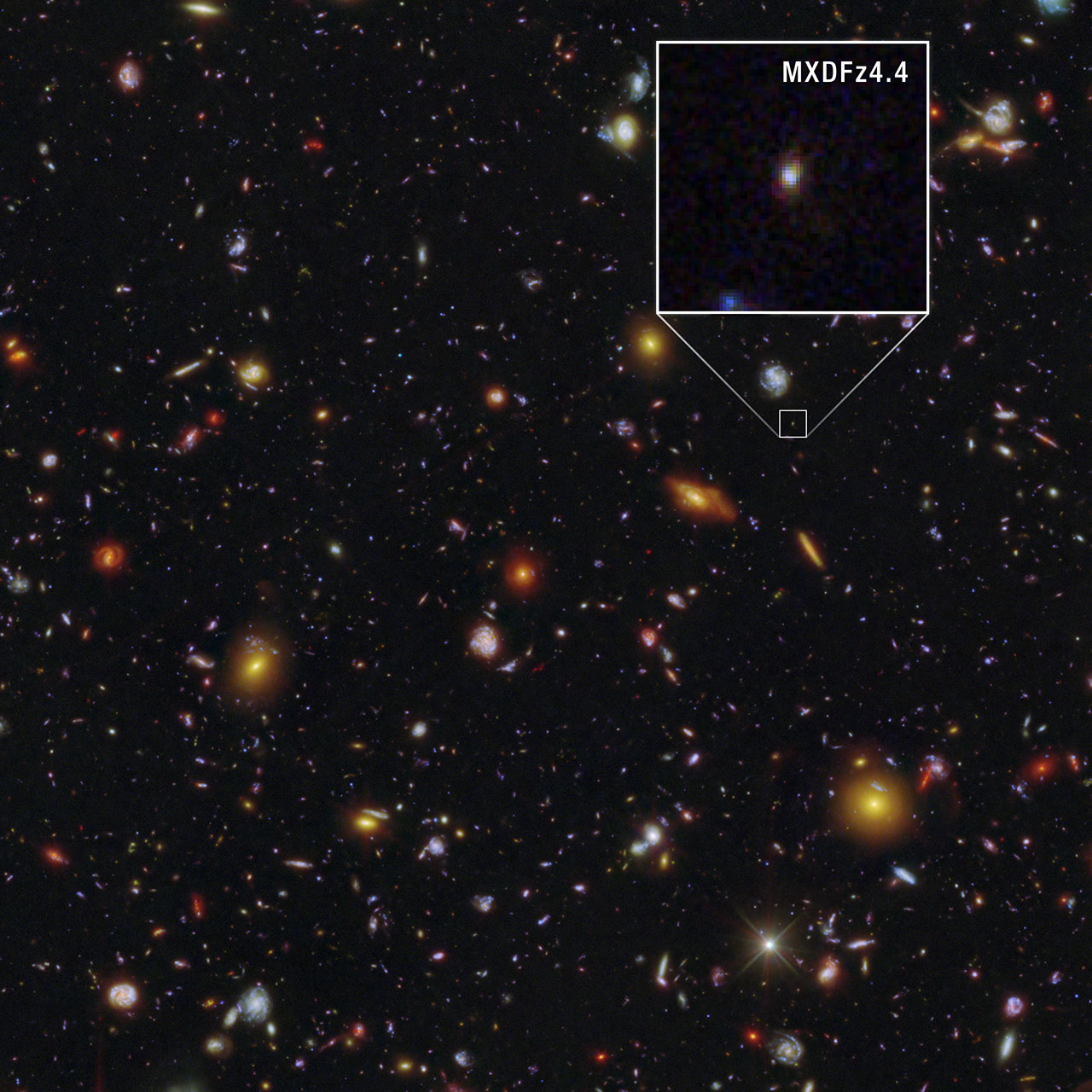
Hubble Detects Ultraviolet Light from Early Galaxy, Shedding Light on Cosmic Reionization
Astronomers using NASA's Hubble Space Telescope have detected unexpected ultraviolet light from a galaxy that existed just 1.4 billion years
 go.nasa.gov·16d ago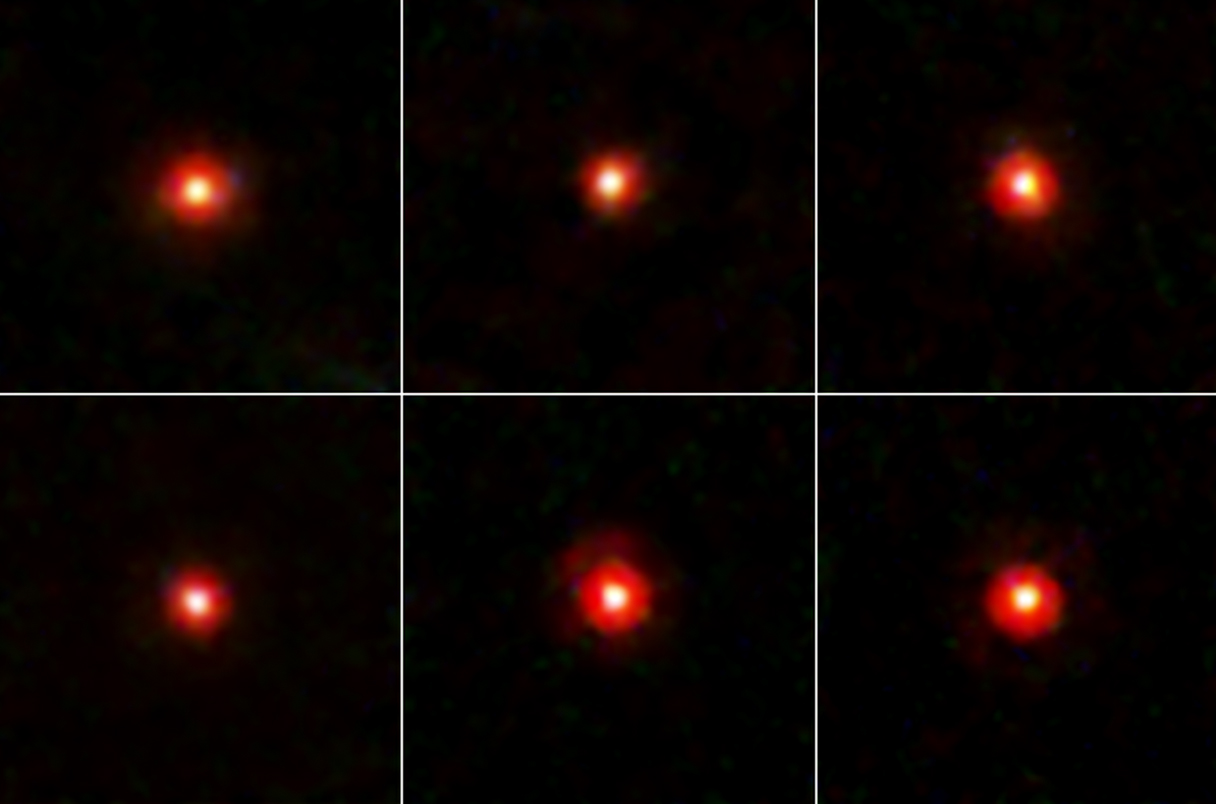
JWST Discovers Mysterious 'Little Red Dots' in Early Universe, Possibly New Celestial Objects
NASA's JWST telescope has discovered hundreds of 'little red dots' in the early universe, which may represent a new type of celestial object
 science.org·11mo ago
Astrophysicists Grapple with Unexpected JWST Discoveries of Early Galaxies and Black Holes
Astrophysicists are grappling with unexpected discoveries from the James Webb Space Telescope (JWST), particularly "little red dots" — myste
 quantamagazine.org·6d ago
Astrophysicists Grapple with Unexpected JWST Discoveries of Early Galaxies and Black Holes
Astrophysicists are grappling with unexpected discoveries from the James Webb Space Telescope (JWST), particularly "little red dots" — myste
quantamagazine.org·6d ago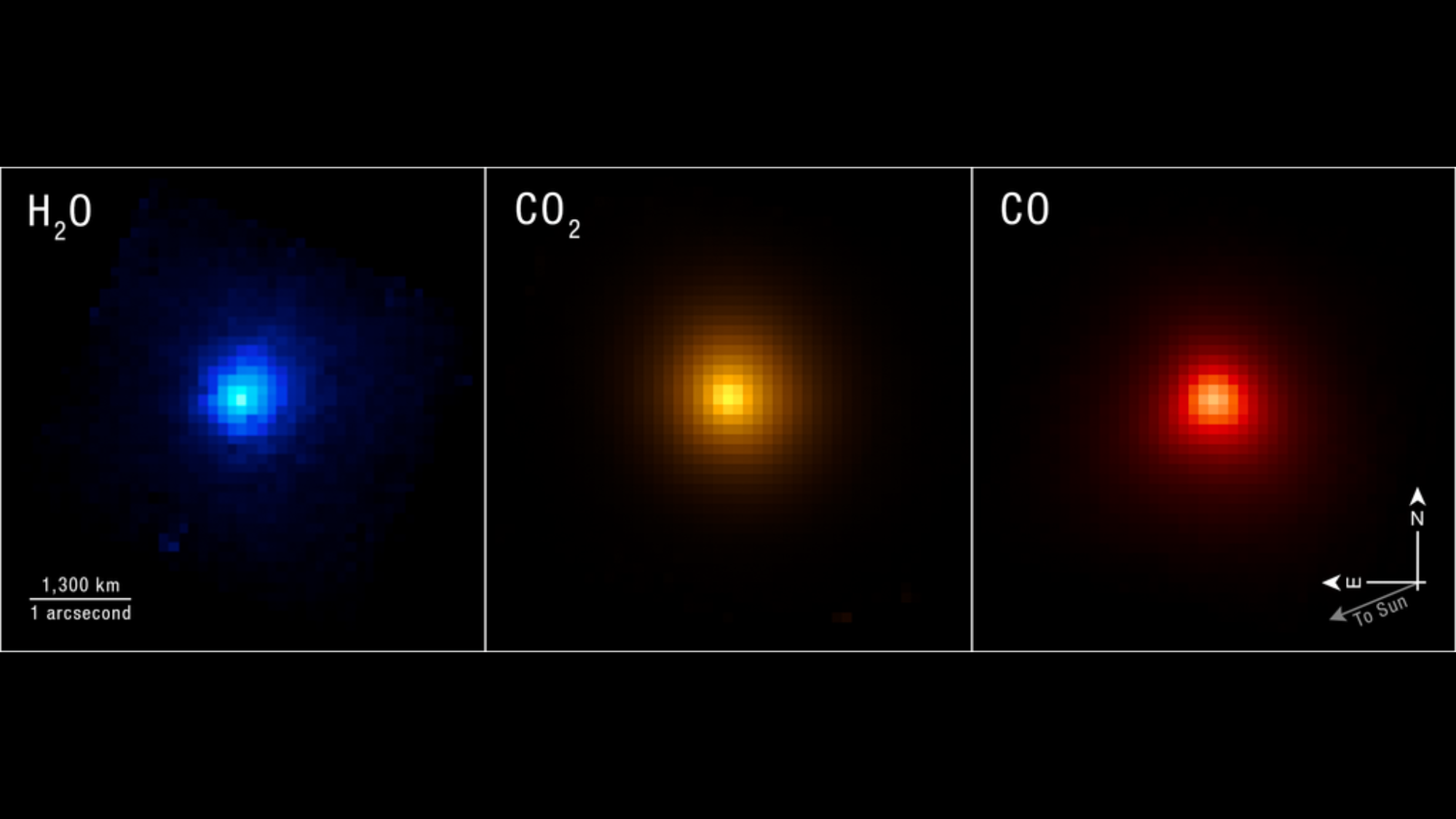
JWST reveals unusual chemical signatures in interstellar comet 3I/ATLAS
NASA researchers using the James Webb Space Telescope are investigating the origins of interstellar comet 3I/ATLAS, discovered on July 1, 20
 space.com·15d ago
Comments
Sign in to join the conversation.
No comments yet. Be the first.