
























Long-term drought drives population declines and geographic range shifts in aridland bird species
By
M. van den Bosch
Summary
This scientific study examines how long-term drought exposure affects bird populations in arid regions. The research investigates how climate change-driven increases in drought frequency and intensity are causing declines and range shifts in bird species that inhabit aridlands. These species are particularly vulnerable because they already live near their physiological limits, and prolonged drought conditions push them beyond their tolerance thresholds, leading to local extirpations and distributional changes.
Source

 bskyLong-term drought drives population declines and geographic range shifts in aridland bird speciesconbio.onlinelibrary.wiley.com
Key quotes
· 3 pulledGlobal environmental change alters ecosystems and their associated biological diversity through shifts in temperature, precipitation, and extreme weather patterns.
These changes affect biodiversity directly when species experience conditions that exceed their physiological limits and indirectly when habitats and resources are altered.
Such disruptions can lead to shifts in species distribution, local extirpation, and ultimately, extinction.
You might also wanna read


Tropical mountain wildlife are at high risk from climate change impacts, study finds
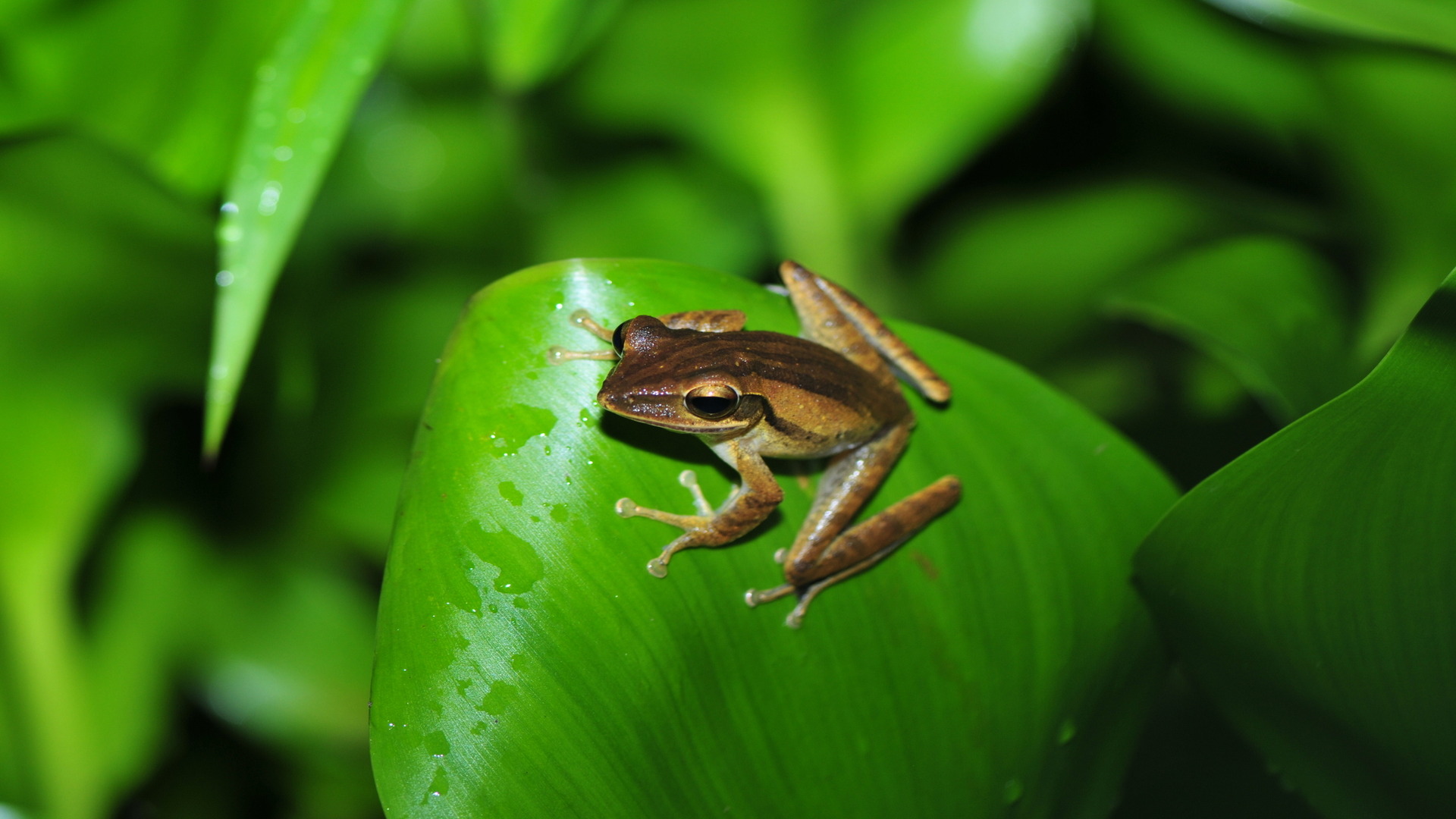
Study of 5,100 species finds 45% local extinction rate due to climate change across 40,000 sites
A large-scale study reviewing 5,100 species across 40,000 sites found that 45% of species have experienced local extinction in the warmest p
 interestingengineering.com·14d ago
Global Study Warns of Alarming Freshwater Loss Due to Climate Change and Human Activity
A new study led by Arizona State University, published in Science Advances, reveals alarming freshwater loss across Earth's continents since
 news.asu.edu·11mo ago
Study quantifies extreme weather impacts on marine predator breeding in Tasmanian climate hotspot
This scientific study examines how extreme weather events (EWEs) impact the breeding success of marine predators in Tasmania, Australia—a gl
 scim.ag·11d ago
Study quantifies extreme weather impacts on marine predator breeding in Tasmanian climate hotspot
This scientific study examines how extreme weather events (EWEs) impact the breeding success of marine predators in Tasmania, Australia—a gl
scim.ag·11d ago
By Fueling Drought, El Niño Raises the Risk of Violent Conflict

Genomic Study Reveals Koala Population Collapsed 100,000 Years Ago Due to Climate Change, Predating Human Arrival
A new genomic study reveals that koalas experienced a dramatic population collapse about 100,000 years ago due to climate change, long befor
Comments
Sign in to join the conversation.
No comments yet. Be the first.