





















Global Study Warns of Alarming Freshwater Loss Due to Climate Change and Human Activity
By
ornel

A five-star bake. Worth schmearing, sharing, saving.
Summary
A new study led by Arizona State University, published in Science Advances, reveals alarming freshwater loss across Earth's continents since 2002, driven by climate change, unsustainable groundwater use, and extreme droughts. The research identifies four 'mega-drying' regions in the Northern Hemisphere, warning of severe impacts on water security, agriculture, sea-level rise, and global stability.
Key quotes
· 3 pulledNew findings from studying over two decades of satellite observations reveal that the Earth’s continents have experienced unprecedented freshwater loss since 2002.
The study highlights the emergence of four continental-scale 'mega-drying' regions, all located in the Northern Hemisphere.
The research warns of severe consequences for water security, agriculture, sea-level rise and global stability.
You might also wanna read


Climate scientists drop worst-case scenario as global action makes it increasingly unlikely
Climate scientists have removed the worst-case emissions scenario (RCP8.5/SSP5-8.5) from new climate projections because global climate acti
 theconversation.com·2d ago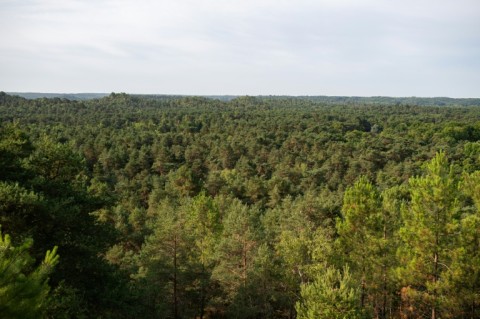
Europe's forests struggle to survive as climate-driven heatwaves intensify
The article reports on how Europe's forests are suffering from climate-driven heatwaves and drought, using the example of a dying oak tree i
 enca.com·2d ago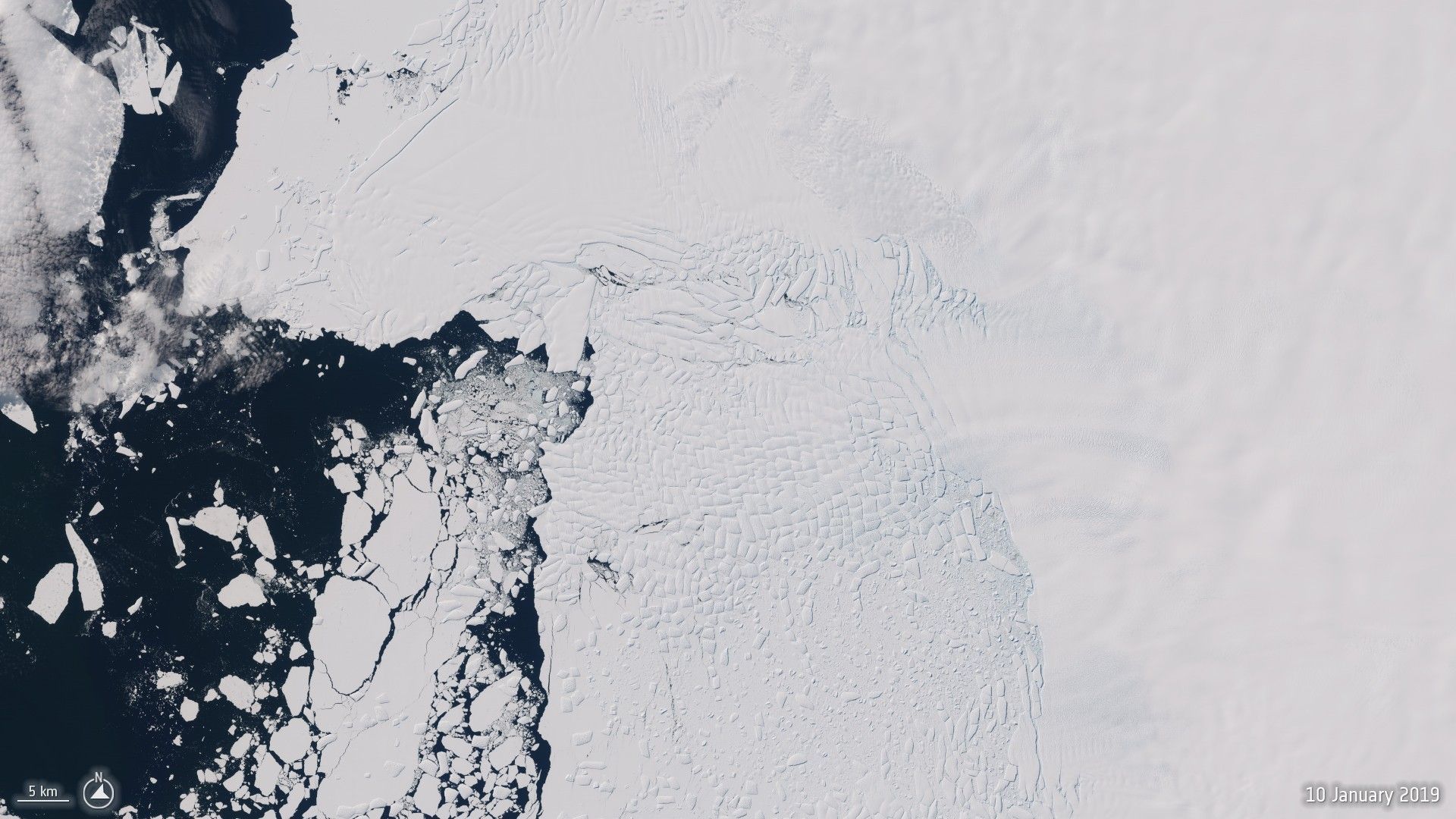
Thwaites 'Doomsday Glacier' expected to lose protective ice shelf this year, threatening global sea level rise
Antarctica's Thwaites Glacier, known as the "Doomsday Glacier," is expected to lose its eastern ice shelf this year, which protects it from
 livescience.com·3d ago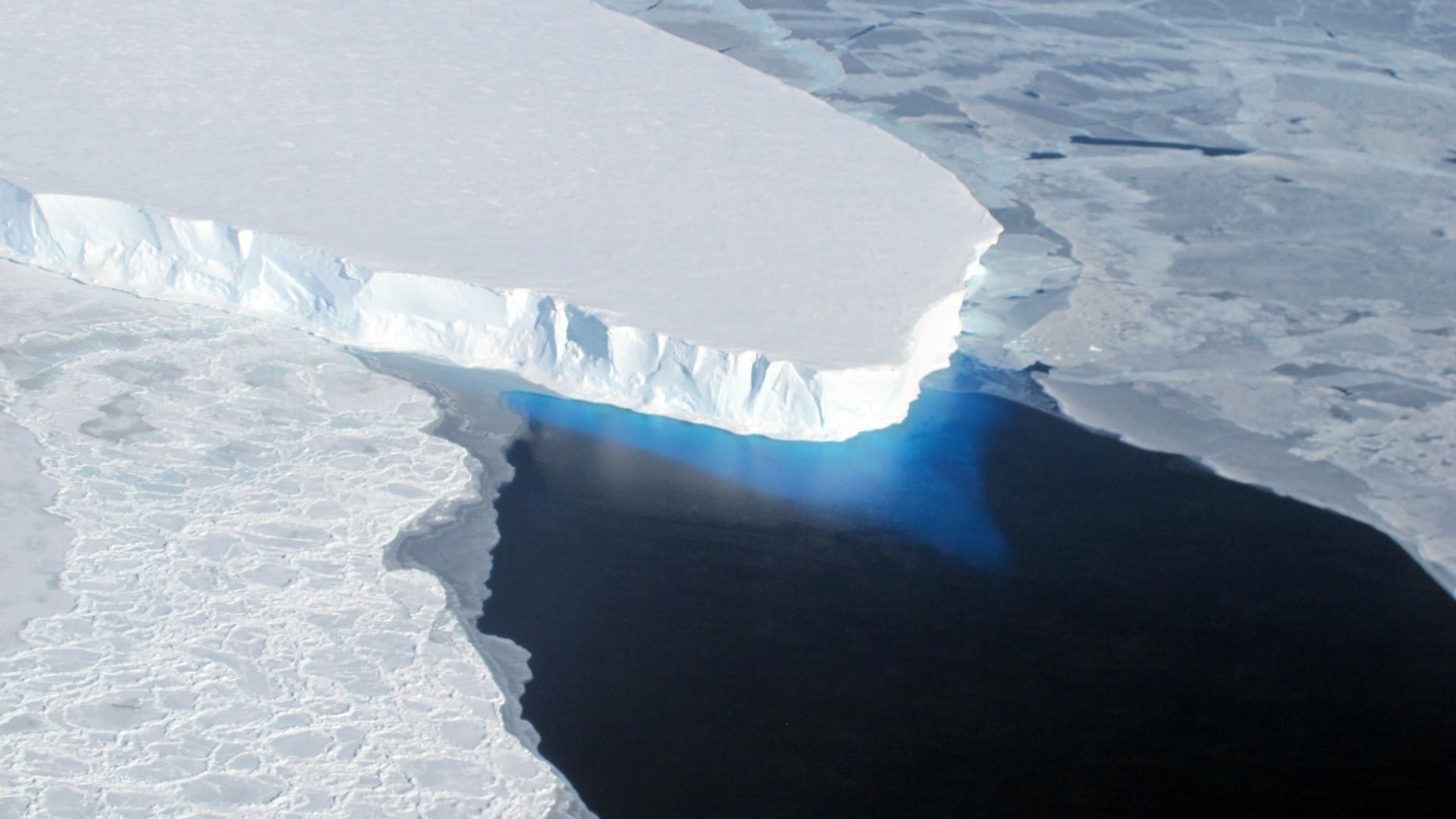
Antarctica's Thwaites 'Doomsday Glacier' faces imminent ice shelf loss, accelerating sea-level rise threat
Antarctica's Thwaites Glacier (the "Doomsday Glacier") is about to lose its eastern ice shelf, accelerating its destabilization. The glacier
livescience.com·4d ago
Indonesia's last tropical glaciers lose 95% of ice since 2002, expedition finds
An expedition to document the last tropical glaciers in Oceania on Puncak Jaya, West Papua, Indonesia, has revealed that the "eternity glaci
 theguardian.com·5d ago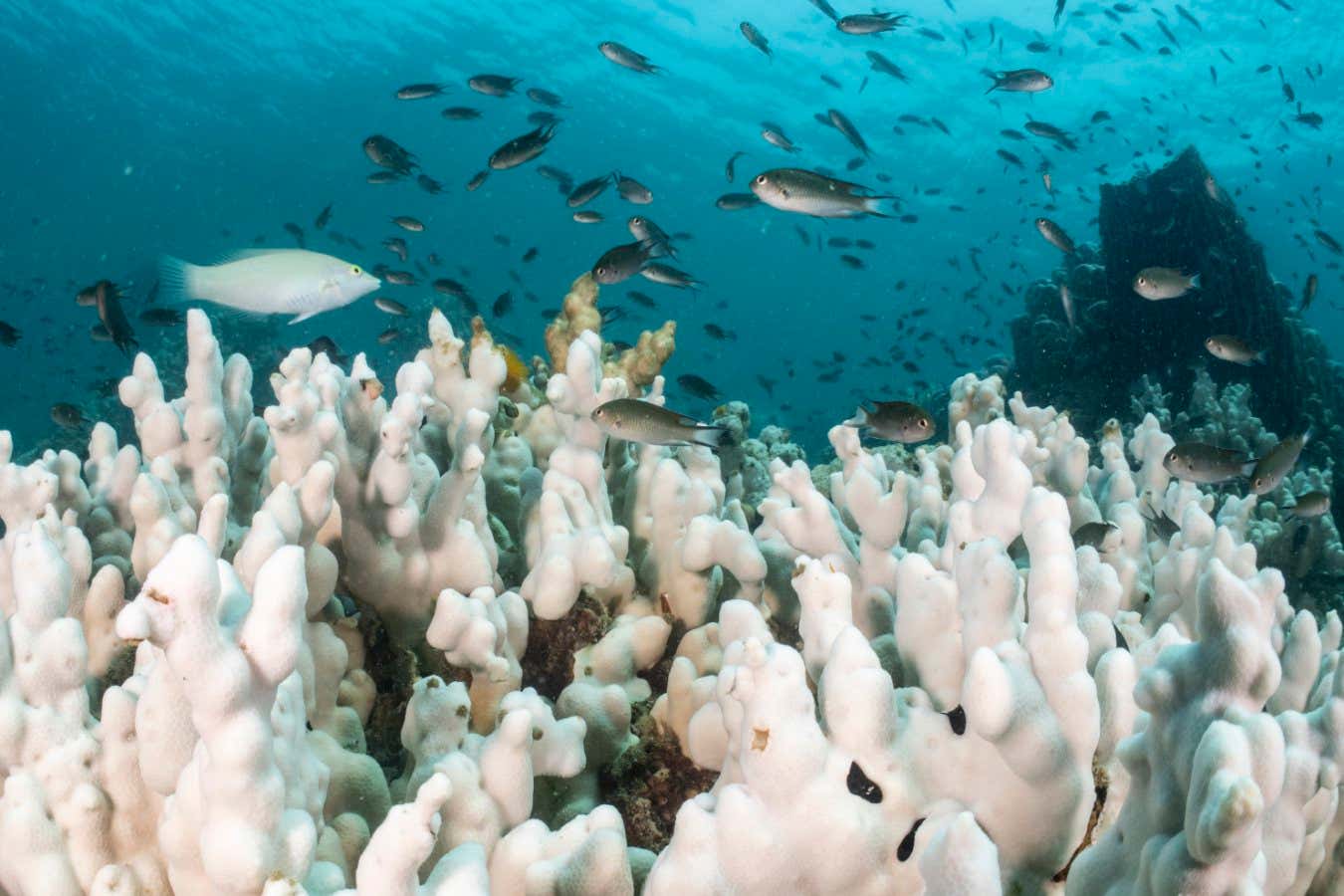
Global warming rate has doubled since 2014, analysis finds
Global warming has accelerated to twice the rate of previous decades, now heating at about 0.36°C per decade since 2014 compared to 0.18°C p
 newscientist.com·11d ago