





















Climate scientists drop worst-case scenario as global action makes it increasingly unlikely
By
Andrew King

Fresh out the oven, still warm. Top of the tray.
Summary
Climate scientists have removed the worst-case emissions scenario (RCP8.5/SSP5-8.5) from new climate projections because global climate action has made such a future unlikely. The scenario, which assumed no emissions cuts and massive fossil fuel expansion, is no longer considered plausible. This change has been misinterpreted by climate skeptics like Donald Trump as a failure of climate science, but it actually reflects real-world progress in renewable energy adoption and policy commitments. The new scenarios better reflect current trajectories, where emissions are still too high but no longer tracking the absolute worst-case path.
Key quotes
· 3 pulledThe removal of the worst-case scenario is not a sign that climate change isn't happening or that scientists were wrong. It's a sign that our actions are making a difference.
Trump's claim that this is 'failed science' fundamentally misunderstands how climate modeling works. Scenarios are updated as the world changes.
We're not on a good path yet, but we've moved away from the truly catastrophic trajectory that seemed possible a decade ago.
You might also wanna read

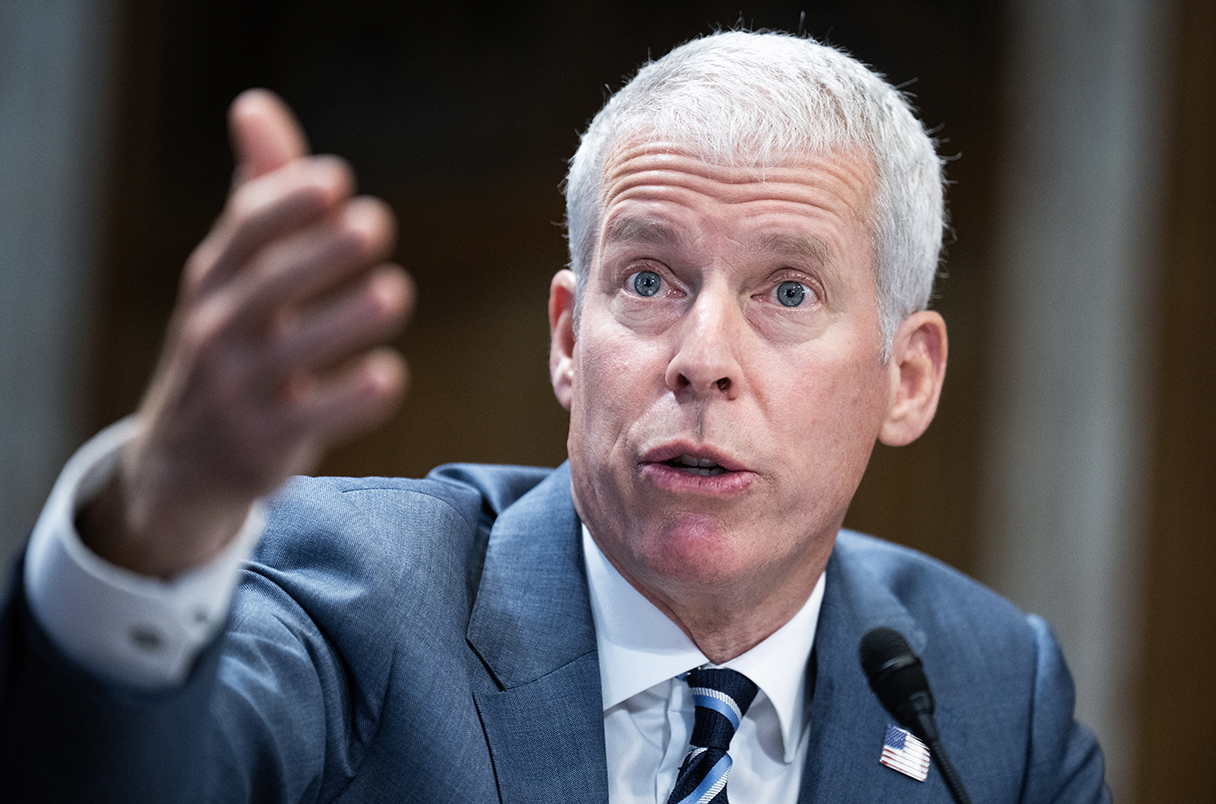
U.S. DOE Climate Report Challenges IPCC Findings, Faces Criticism for Data Selection
The U.S. Department of Energy (DOE) released a climate assessment contradicting the United Nations' Intergovernmental Panel on Climate Chang
 science.org·10mo ago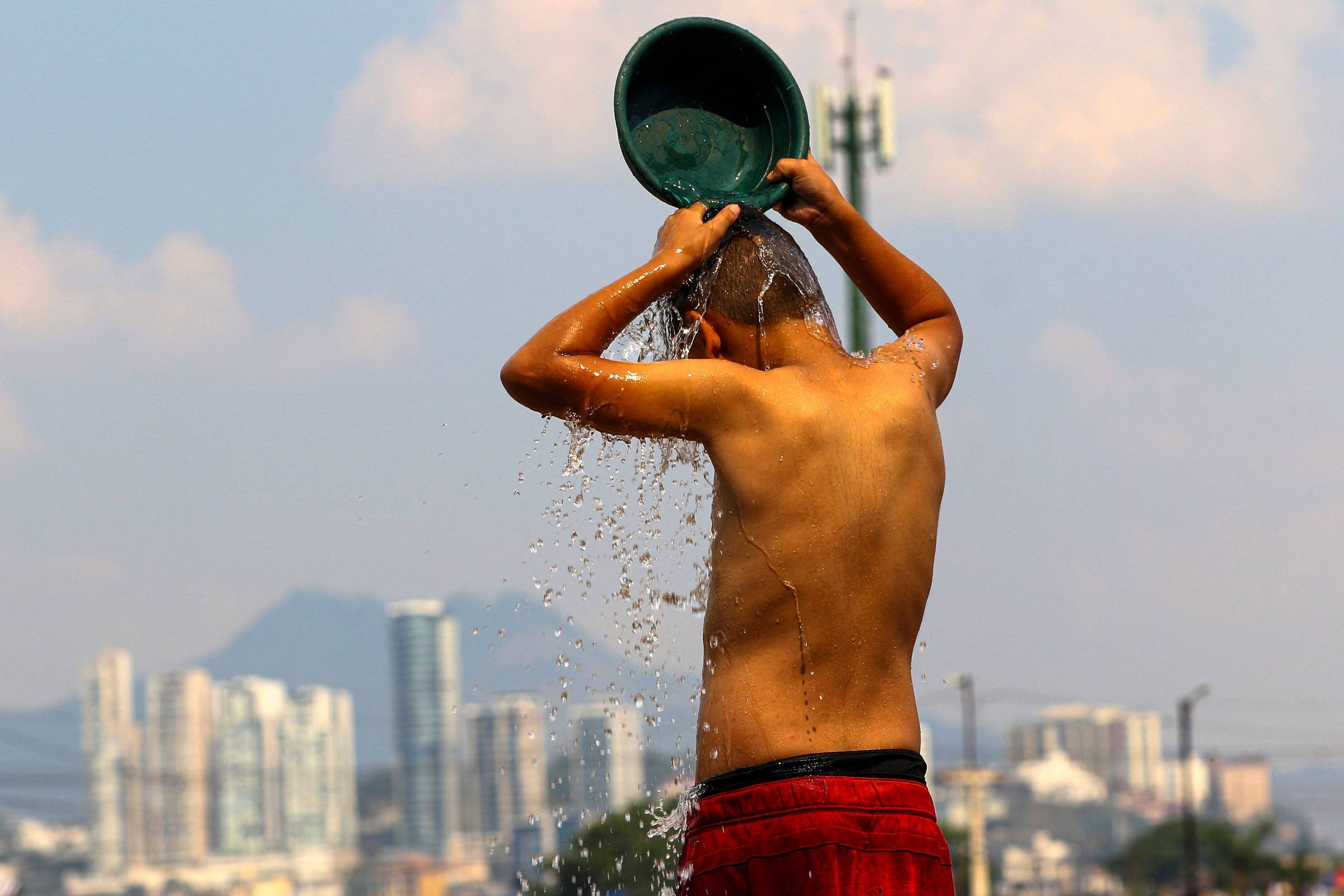
Opinião: Becky S. Korich warns we are unprepared for the Super El Niño of 2026
The article is an opinion piece by Becky S. Korich discussing the anticipated "Super El Niño" of 2026, which could be one of the most intens
 mla.bs·19h ago
Europe's forests struggle to survive as climate-driven heatwaves intensify
The article reports on how Europe's forests are suffering from climate-driven heatwaves and drought, using the example of a dying oak tree i
 enca.com·2d ago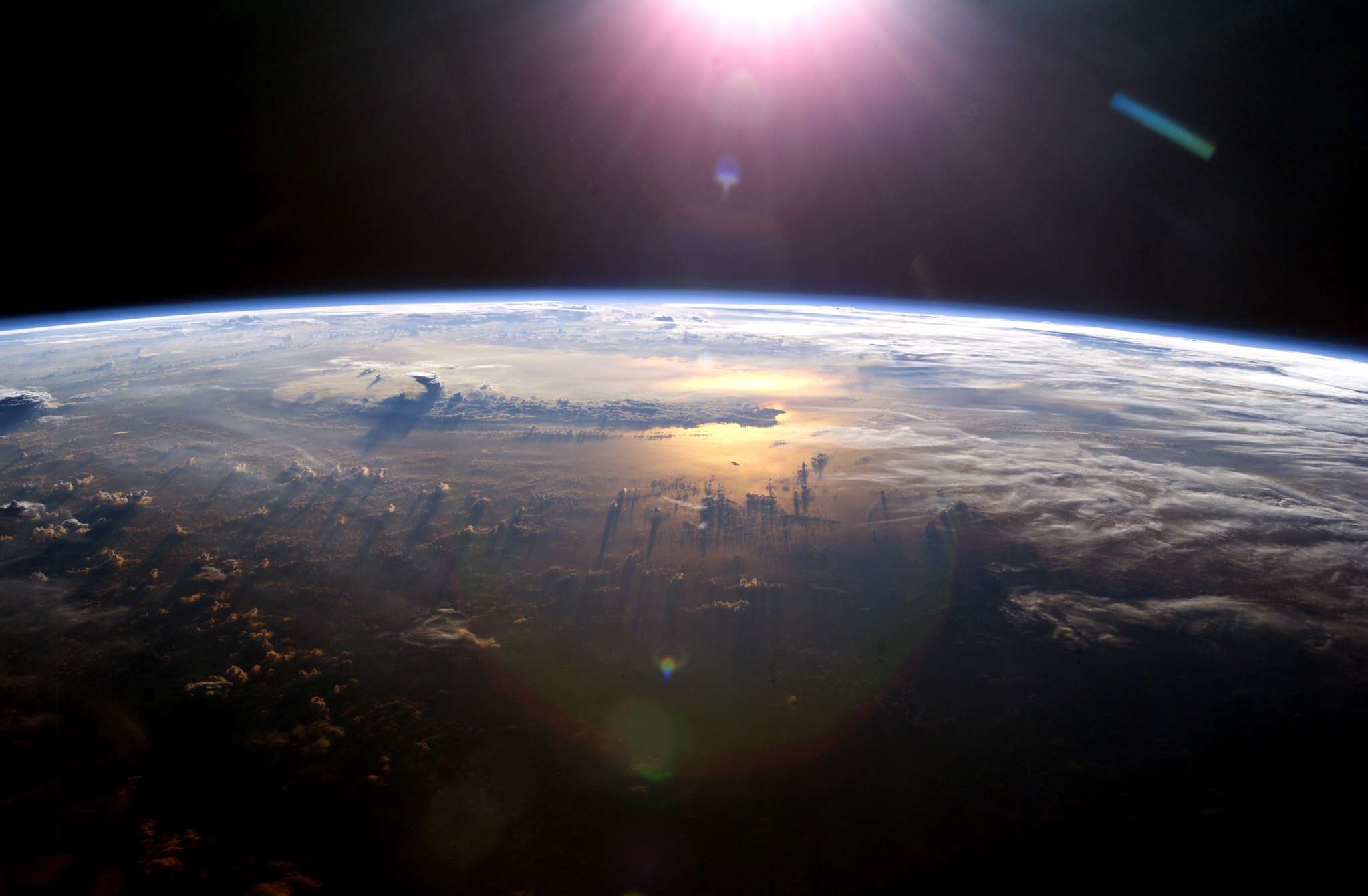
Solar Geoengineering Developments Underscore Urgent Need for Restrictive Governance Frameworks
The article discusses three recent developments in solar geoengineering (solar radiation modification/SRM) that underscore the urgency of es
 ciel.org·2d ago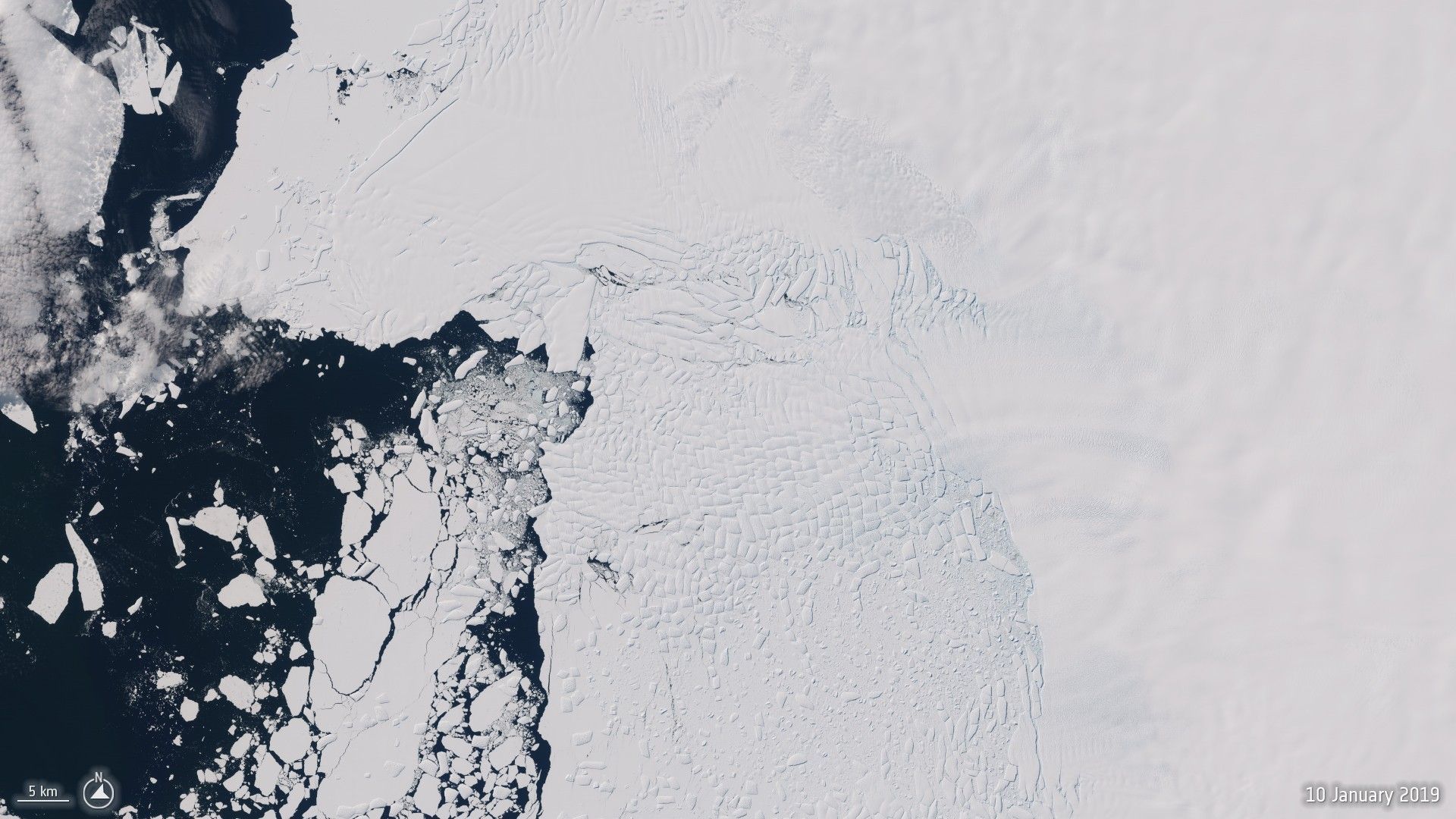
Thwaites 'Doomsday Glacier' expected to lose protective ice shelf this year, threatening global sea level rise
Antarctica's Thwaites Glacier, known as the "Doomsday Glacier," is expected to lose its eastern ice shelf this year, which protects it from
 livescience.com·3d ago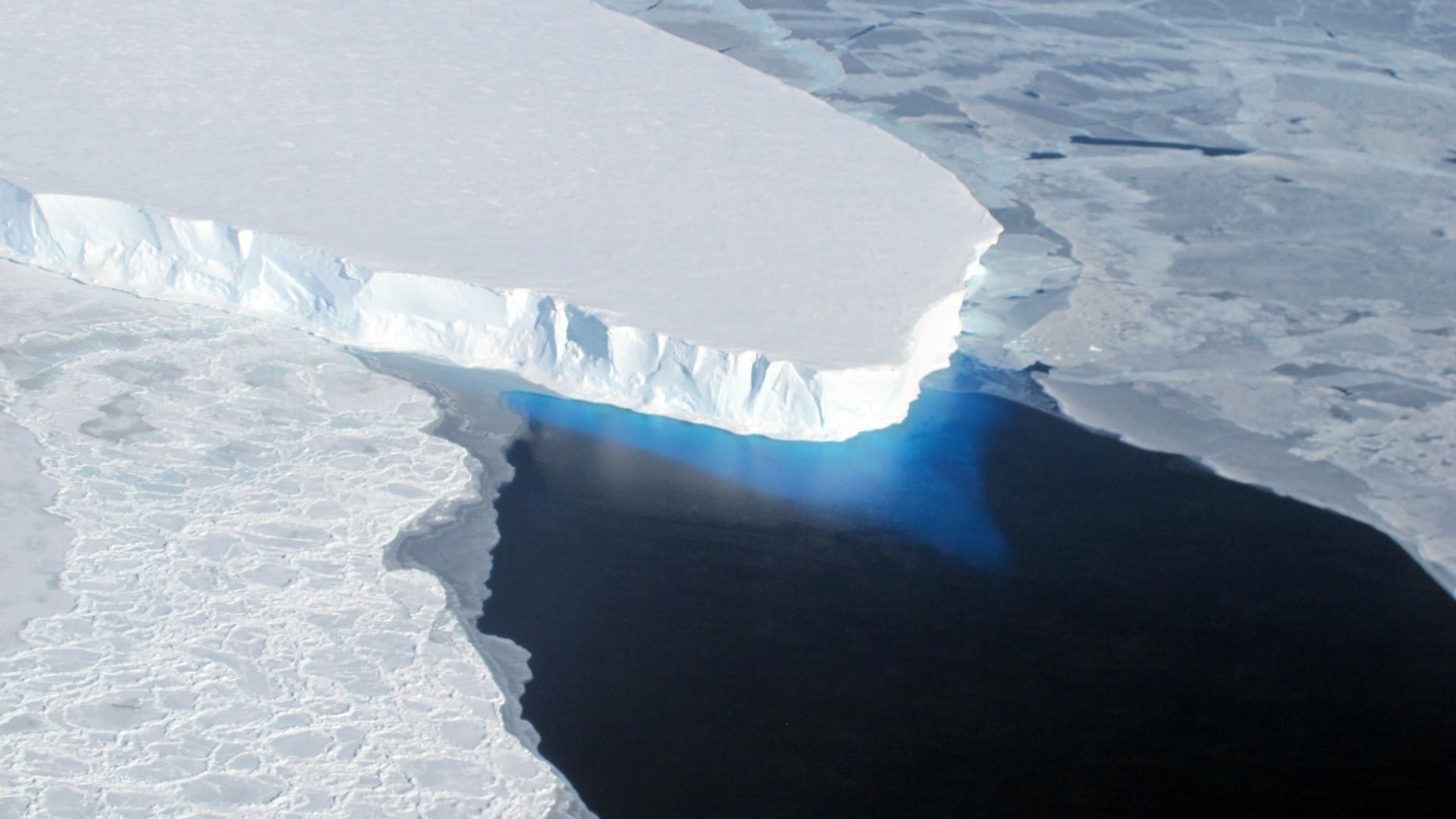
Antarctica's Thwaites 'Doomsday Glacier' faces imminent ice shelf loss, accelerating sea-level rise threat
Antarctica's Thwaites Glacier (the "Doomsday Glacier") is about to lose its eastern ice shelf, accelerating its destabilization. The glacier
livescience.com·4d ago