

























Study quantifies extreme weather impacts on marine predator breeding in Tasmanian climate hotspot
By
Mary-Anne Lea
Summary
This scientific study examines how extreme weather events (EWEs) impact the breeding success of marine predators in Tasmania, Australia—a global climate change hotspot. Using long-term datasets across 14 colonies of three sentinel species (including Australian fur seals), the research quantifies how increasing intensity and frequency of extreme weather leads to breeding failures in these long-lived, slow-reproducing species. The study identifies specific temporal windows of vulnerability during breeding seasons and links EWE-driven failures to population-level consequences.
Source

 Twitter / XStudy quantifies extreme weather impacts on marine predator breeding in Tasmanian climate hotspotscim.ag
Key quotes
· 3 pulledExtreme weather events (EWEs) are increasing in both intensity and frequency globally.
For long-lived, slow-reproducing marine predators, repeated or sequential EWE-driven breeding failures can have population-level consequences.
We quantified effects of EWEs on reproductive output and identified temporal windows of vulnerability during breeding in three sentinel species across 14 colonies with varying population trajectories in Tasmania, Australia.
You might also wanna read


Shark bites in Sydney leave surfers fearful as warming oceans draw sharks closer to populated beaches
A spate of shark bites in Sydney has left surfers and beachgoers traumatized and fearful, with many avoiding the water. Rob Harcourt, a mari
 theguardian.com·1d ago
Study examines hypoxia tolerance and climate change vulnerability in polar fishes
This scientific research article examines the hypoxia performance and tolerance of polar fishes, which have evolved unique adaptations to fr
 doi.org·11h ago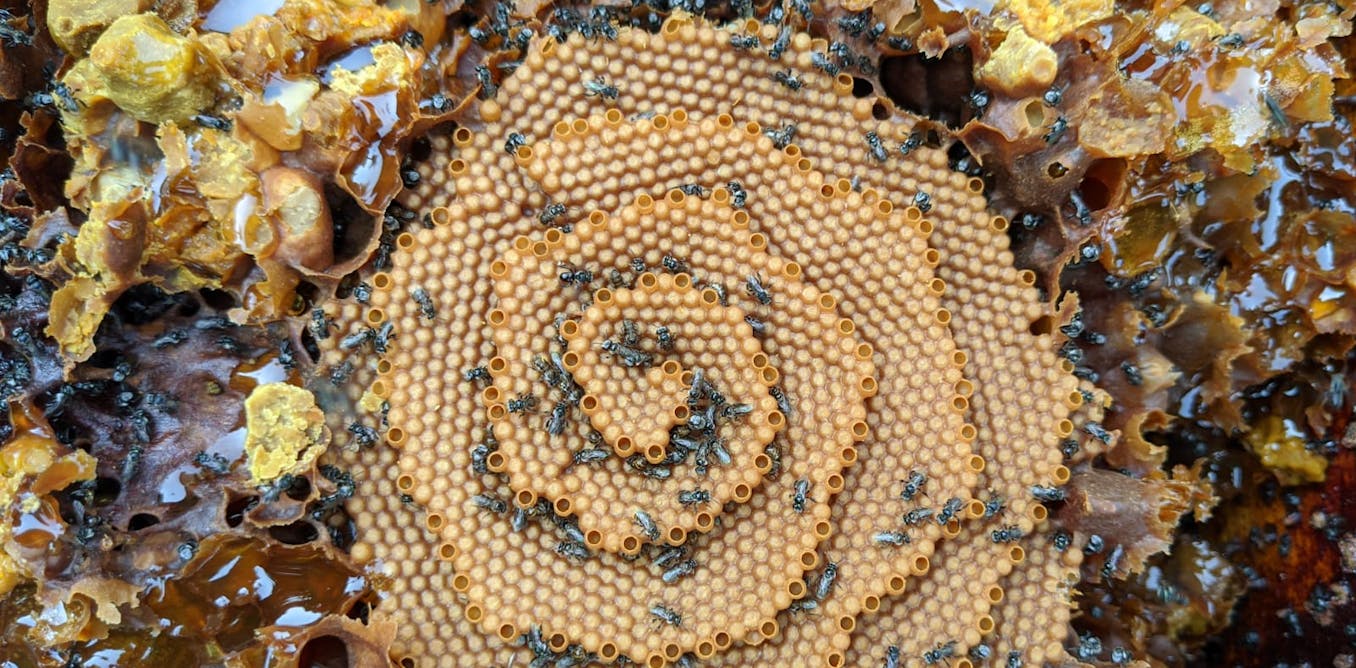
Study: Native Australian bees' climate change resilience depends on nest type
A new study published in Nature Communications examines how Australia's ~2,000 species of native bees cope with climate change. The research
 theconversation.com·7d ago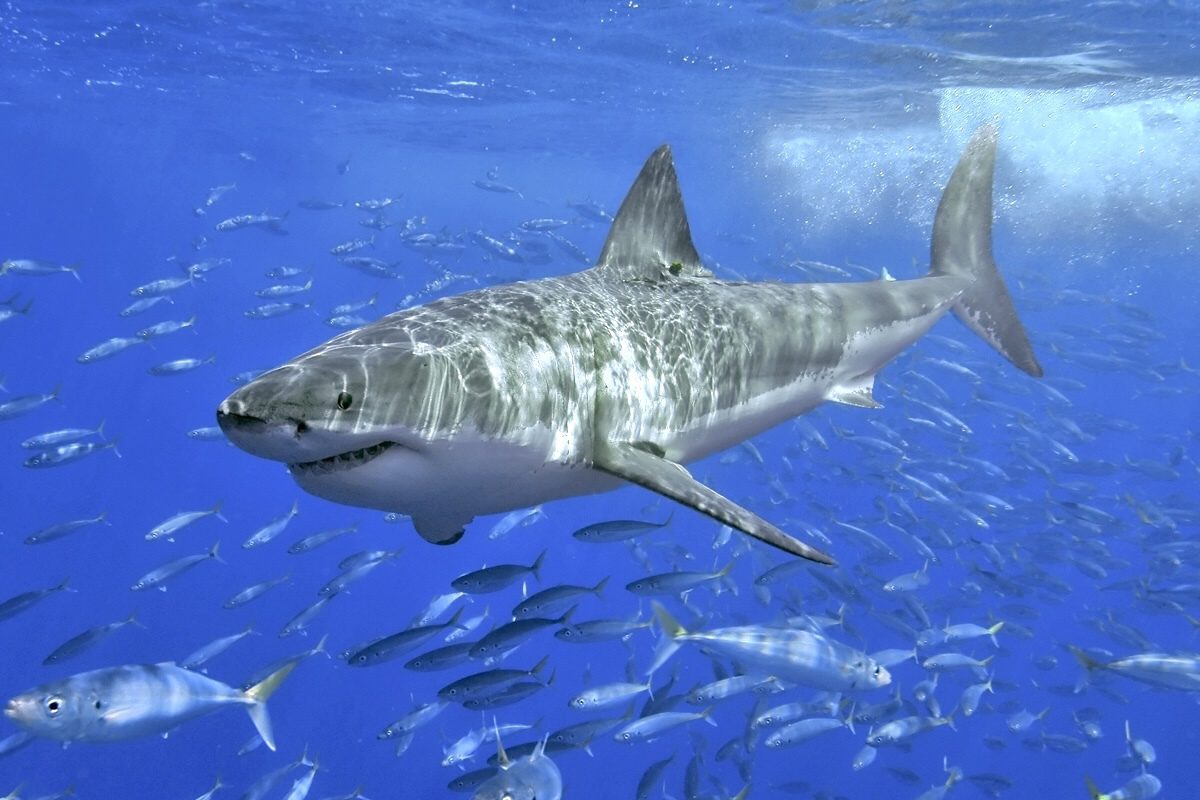
Climate Change Threatens Great White Sharks with Overheating Due to Ocean Warming
The article discusses how climate change and ocean warming are threatening great white sharks by causing them to overheat. These apex predat
 e360.yale.edu·2mo ago
Century-old research ship William Scoresby laid groundwork for El Niño tracking
A century ago, the Royal Research Ship William Scoresby departed from Hull on a voyage to the southern oceans to research whale stocks, part
 bbc.co.uk·8d ago
Environmental drivers of fish chorusing in California marine sanctuaries: temperature, upwelling, and habitat effects
This scientific study analyzes ~16 cumulative recording-years of passive acoustic data (2018-2022) from seven sites in Monterey Bay and Chan
 academic.oup.com·3d ago
Comments
Sign in to join the conversation.
No comments yet. Be the first.