

























Shark bites in Sydney leave surfers fearful as warming oceans draw sharks closer to populated beaches
By
Graham Readfearn
Summary
A spate of shark bites in Sydney has left surfers and beachgoers traumatized and fearful, with many avoiding the water. Rob Harcourt, a marine predator researcher and lifelong surfer, notes that warming ocean temperatures are drawing sharks closer to high-population areas, though shark net data shows no significant changes in shark numbers. The article explores the psychological impact on the surfing community and the complex factors behind the perceived rise in shark encounters.
Source

 bskyShark bites in Sydney leave surfers fearful as warming oceans draw sharks closer to populated beachestheguardian.com
Key quotes
· 3 pulledA lot of my surfer friends are not going in
A lot of people are very nervous – they're traumatised
The compelling pull of the city's world famous surf breaks has been neutered by tragedy, fear and uncertainty
You might also wanna read

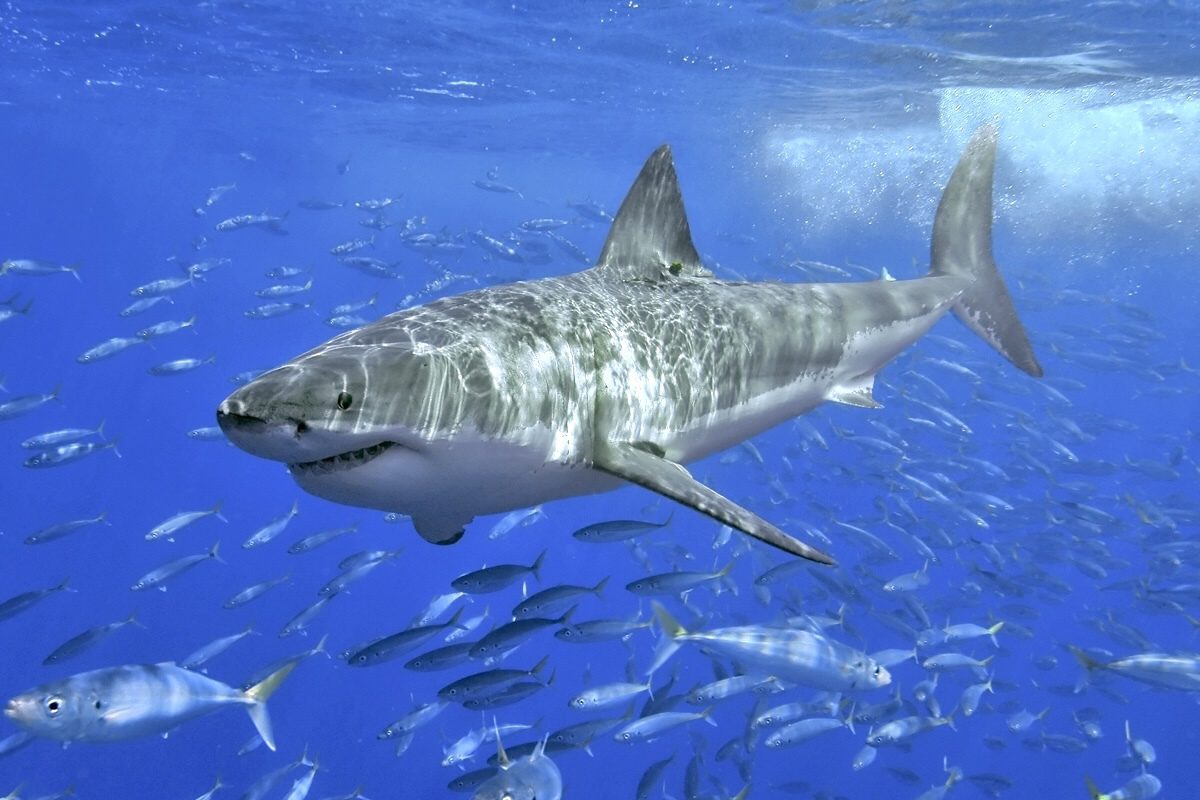
Climate Change Threatens Great White Sharks with Overheating Due to Ocean Warming
The article discusses how climate change and ocean warming are threatening great white sharks by causing them to overheat. These apex predat
 e360.yale.edu·2mo ago
Study quantifies extreme weather impacts on marine predator breeding in Tasmanian climate hotspot
This scientific study examines how extreme weather events (EWEs) impact the breeding success of marine predators in Tasmania, Australia—a gl
 scim.ag·7h ago
Study quantifies extreme weather impacts on marine predator breeding in Tasmanian climate hotspot
This scientific study examines how extreme weather events (EWEs) impact the breeding success of marine predators in Tasmania, Australia—a gl
scim.ag·7h ago
How Climate Change Is Spreading Dangerous Microbes and Pathogens
This article examines how climate change is accelerating the spread of dangerous pathogens, including "flesh-eating" bacteria and emerging i
 newyorker.com·28d ago
Australian Director Redefines Killer Shark Genre in 'Dangerous Animals'
Australian director Sean Byrne's new film, Dangerous Animals, redefines the killer shark movie subgenre by portraying the shark as a weapon
polygon·1y ago
Study of 5,100 species finds 45% local extinction rate due to climate change across 40,000 sites
A large-scale study reviewing 5,100 species across 40,000 sites found that 45% of species have experienced local extinction in the warmest p
 interestingengineering.com·1d ago
Study Finds Cocaine, Caffeine, and Pharmaceuticals in Bahamian Sharks
A study has revealed that sharks in the Bahamas tested positive for cocaine, caffeine, painkillers, and other pharmaceutical substances, hig
 The Onion·2mo ago
Comments
Sign in to join the conversation.
No comments yet. Be the first.