
























Light and Elevated Temperature (LETID) Test - Solar PV Module Test
Unknown ([email protected])6mo ago
From the article
Light and Elevated Temperature (LETID) Test – Solar PV Module Quality & Reliability Standard LETID (Light and Elevated Temperature Induced Degradation) has emerged as one of the most critical reliability tests in modern solar PV manufacturing. As module efficiencies increase and the industry shifts towards PERC, TOPCon, and other high-efficiency cell technologies , understanding and controlling LETID is essential for long-term performance. In this article, we dive deep into what LETID is, why it occurs, how the test is performed, and why it matters for ensuring a durable, bankable solar PV module. ⭐ What is LETID (Light and Elevated Temperature Induced Degradation)? LETID is a type of performance degradation that occurs in solar cells when they are exposed to light and high temperatures over long periods . It primarily affects PERC (Passivated Emitter and Rear Cell) modules, but recent studies show it can also occur in TOPCon and advanced crystalline silicon technologies . Key Causes of LETID Combination of illumination (light) and module operating temperatures between 50°C – 75°C Hydrogen-related defects in the silicon lattice Field-like conditions during early years of module operation Repeated day-night thermal cycles Impact on Modules Power loss up to 2–6% in severe cases Faster degradation during initial years Reduced module efficiency and ROI Long-term reliability risks for large-scale solar plants ⭐ Why LETID Testing is Important for Solar Modules? LETID is not visible physically—it impacts the electrical output of the module. With modules installed in hot climates like India, Middle East, Africa, Australia , the risk of LETID is significantly higher. Importance for Manufacturers & Developers ✔ Ensures long-term power output stability ✔ Helps guarantee module warranty performance ✔ Reduces risks of early degradation in utility-scale plants ✔ Improves bankability for EPCs and investors ✔ Validates process control in cell manufacturing (e.g., hydrogenation) ⭐ LETID Test Standard – IEC 61215 LETID testing is typically performed according to IEC 61215-2:2021 under: Test MQT 23: Light and elevated temperature-induced degradation (LETID) This test simulates real-world power loss caused by LETID and evaluates the module’s long-term robustness. 🔬 LETID Test Procedure – Step-by-Step Below is the standard test flow followed by accredited labs and solar manufacturers. 1️⃣ Module Pre-Conditioning Before starting LETID exposure: Visual inspection Initial flasher testing Measuring I-V characteristics Recording Pmax, Voc, Isc, FF This establishes the baseline performance of the module. 2️⃣ Exposure to Light + Elevated Temperature Modules are kept in a controlled chamber at: Temperature: 50°C – 75°C Irradiance: ~75 mW/cm² (≈ 1 sun equivalent) Duration: Up to 600 hours (varies by standard) The combination of high temperature + continuous light accelerates LETID behavior. Key Parameters During LETID Exposure Chamber atmospheric control Continuous illumination Back-side temperature monitoring Module orientation and spacing Recording thermal stability 3️⃣ Measurement During Cycling At defined intervals (e.g., every 100–200 hours): Electrical performance is measured Pmax loss is tracked Visual inspection is repeated Any hot spots or abnormal degradation is noted This identifies the degradation trend curve. 4️⃣ Final Post-Exposure Testing After full LETID stress exposure: Final electrical testing Electroluminescence (EL) imaging Comparison of pre- and post-test values Data plotted to evaluate degradation impact 📊 LETID Acceptance Criteria The module passes the LETID test if: ✔ Power degradation (ΔPmax) ≤ 5% (Exact limits may vary based on customer or project requirement.) ✔ No major hotspots or visual damage ✔ EL images show no significant microcracks or cell darkening For premium modules, manufacturers target ≤ 2% LETID degradation , showcasing strong process control. 🧪 LETID vs LID vs LeTID – Understanding the Difference Test Type Trigger Occurs in Characteristics LID (Light Induced Degradation) Initial exposure to sunlight All c-Si cells Caused by B-O complex LeTID (Light & elevated Temperature Induced Degradation) High temperature + continuous light Mostly PERC Hydrogen-related defects PID (Potential Induced Degradation) High voltage stress Modules, glass, encapsulant Leakage current issues LETID is more severe than LID in hotter climates, making it a priority test for modern PV technology. 🌞 Technologies Affected by LETID Most Sensitive: PERC Mono PERC Multi (older technologies) Moderately Sensitive: TOPCon N-Type Bifacial modules (rear side heating) Least Sensitive: HJT modules Thin-film variants Manufacturers use optimized hydrogenation, firing processes, and material control to minimize LETID. 🔧 How Manufacturers Reduce LETID Optimized hydrogenation during cell processing Improved firing cooling rates Advanced passivation layers (AlOx, SiNx) Better metallization to reduce recombination Material-level control to stabilize defects These practices help achieve low-LETID PERC and LETID-resistant TOPCon modules. 🌍 LETID is Critical for Hot Climate Solar Projects Countries with high ambient temperatures experience: 70°C module surface temperatures Faster hydrogen diffusion inside cells Accelerated defect activation Thus, LETID can cause early financial losses if not controlled. 📌 Conclusion – LETID Testing Ensures Solar Module Reliability The Light and Elevated Temperature (LETID) Test is a key qualification method that verifies whether a solar module can maintain power output under real-world high-temperature operating conditions. Benefits of LETID Tested Modules Higher energy yield Lower early-life degradation Improved plant ROI Better investor confidence Long-term field reliability For EPCs, developers, and module buyers, selecting modules that are LETID-tested and certified is essential for performance stability, especially in hot climate regions. 👋 Thank You for Reading! We appreciate your time and interest in renewable energy, EVs, and cutting-edge tech. Your curiosity helps drive a sustainable future forward. 📱 Follow Us on Social Media: 🌐 Visit our website
Continue reading on omkarmhatre.inYou might also wanna read


Perovskite Solar Cell Degradation Under Reverse-Current Stress Depends on Hole-Transport Layer Choice
This study investigates degradation in perovskite solar cells under constant reverse-current stress, rather than the typical voltage-control
 pubs.acs.org·22d ago
华电科工:签署2.19亿元首个柔性支架农光互补光伏发电项目EPC总承包合同
36氪·2d ago

China's New Rules For PV Efficiency And Impact On India
Saur Energy·22h ago

Self-Driving Laboratories Drive Perovskite Solar Cells Toward Reproducible Manufacturing at 28% Efficiency
The article discusses how perovskite solar cells (PSCs) have reached 28% efficiency, marking a transition where champion-device metrics are
pubs.acs.org·22d ago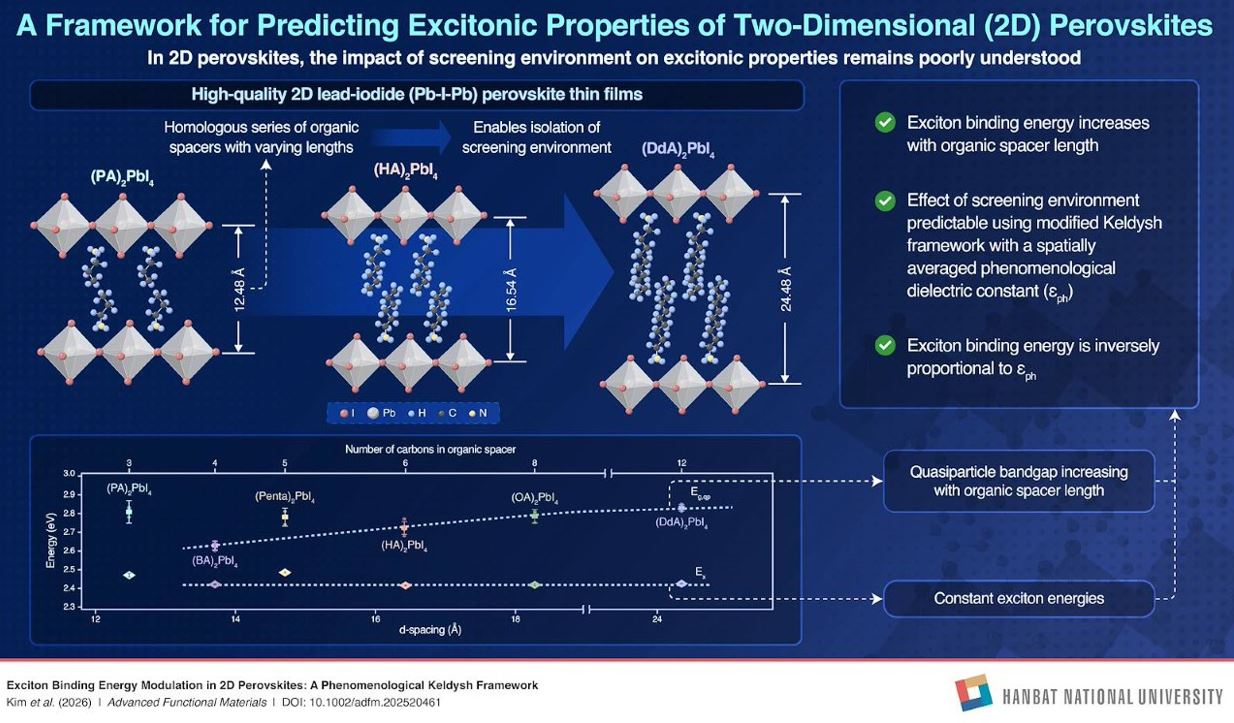
Researchers develop predictive framework to optimize 2D perovskite solar cell efficiency
Researchers have developed a predictive framework to optimize 2D perovskite solar cell design by better understanding how excitons (electron
 PV Tech·5d ago
Researchers develop predictive framework to optimize 2D perovskite solar cell efficiency
Researchers have developed a predictive framework to optimize 2D perovskite solar cell design by better understanding how excitons (electron
pv-tech.org·5d ago
MNRE Clarifies ALMM Cell Norms for Rooftop Solar Projects on Government Buildings
Saur Energy·2d ago
Comments
Sign in to join the conversation.
No comments yet. Be the first.