
























Shortened TDP-43 isoforms form steric zippers driving aggregation and mislocalization in ALS pathology
By
James Shorter
Summary
This scientific research article investigates shortened TDP-43 (sTDP-43) splice isoforms and their role in neurodegenerative disorders like ALS. Despite lacking most of the prion-like domain (PrLD), sTDP-43 exhibits pronounced insolubility and aggregation. The study reveals that sTDP-43 isoforms form isoform-specific steric zippers—a type of amyloid-like structure—that drive aberrant assembly and mislocalization of the protein, contributing to ALS pathophysiology. The research provides mechanistic insights into how these shortened isoforms aggregate differently from full-length TDP-43 and are enriched in motor neurons, linking their behavior to disease mechanisms.
Source

 Twitter / XShortened TDP-43 isoforms form steric zippers driving aggregation and mislocalization in ALS pathologyscience.org
Key quotes
· 3 pulledPrion-like domain (PrLD)–mediated aggregation and concomitant dysfunction of the essential RNA-binding protein transactive response (TAR) DNA-binding protein of 43 kilodaltons (TDP-43) is a common feature of multiple debilitating neurodegenerative disorders, including amyotrophic lateral sclerosis (ALS).
Shortened TDP-43 (sTDP-43) splice isoforms where the PrLD is largely replaced by an 18-residue carboxyl-terminal tail also contribute to ALS pathophysiology and are enriched in motor neurons.
Curiously, despite lacking most of the PrLD, sTDP-43 exhibits pronounced insolubility
You might also wanna read


Short RNA chaperones inhibit TDP-43 aggregation to reduce neurodegeneration in ALS models
This article describes a therapeutic strategy developed by Copley et al. using short RNA molecules as chaperones to inhibit TDP-43 aggregati
 doi.org·17d ago
Caspase-4 transgenic mice exhibit cytoplasmic TDP-43 accumulation and age-dependent neuropathology
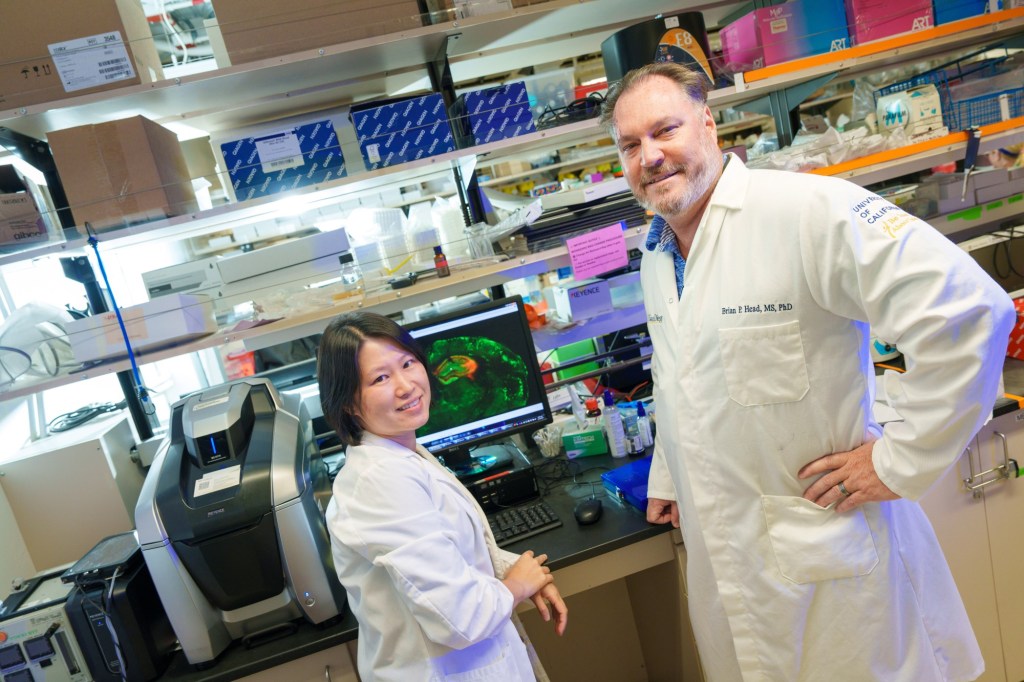
UCSD gene therapy preserves brain function by boosting protective protein rather than removing toxic TDP-43
UC San Diego scientists have developed an experimental gene therapy called SynCav1 that takes a novel approach to fighting the toxic protein
 flip.it·23d ago
Deep learning reveals antimicrobial peptides within prions
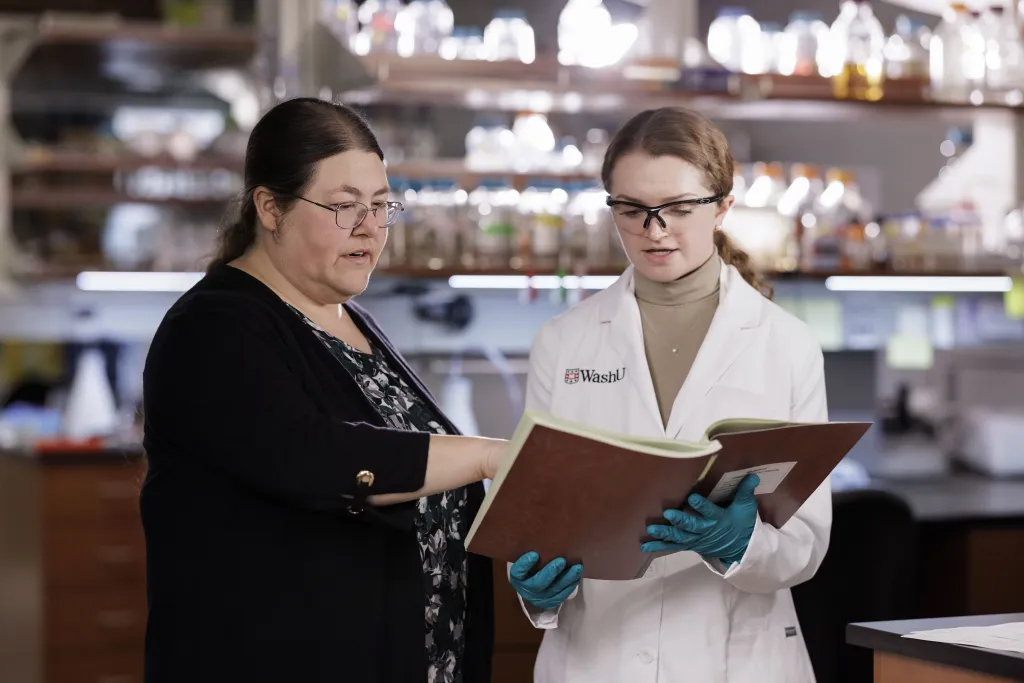
Washington University researchers develop rapid method to produce enzymes that break down misfolded proteins in ALS and Parkinson's
Researchers at Washington University in St. Louis, led by associate professor Meredith Jackrel, have developed a new high-throughput method
 source.washu.edu·18d ago
Chaperone-Assisted Protein Folding: Hartl and Horwich Win 2011 Lasker Award for Molecular Machinery Discovery
This article covers the 2011 Albert Lasker Basic Medical Research Award, which honored Franz-Ulrich Hartl and Arthur L. Horwich for their gr
 laskerfoundation.org·4h ago
Comments
Sign in to join the conversation.
No comments yet. Be the first.