
























Why I Kept an Old iMac Alive for Freehand MX's Halftone Controls
Summary
A reflective piece on the author's deep attachment to Freehand MX, a legacy design tool, specifically for its superior halftone controls used in prepress print work. The author contrasts the precision and craft of print production (film separations, moirés, dot frequencies) with the browser's modern approach, which abstracts away those concerns. The article explores what a halftone is and the tactile, technical process of print design that the author refuses to abandon.
Source
 SidebarWhy I Kept an Old iMac Alive for Freehand MX's Halftone Controlscarmenansio.com
Key quotes
· 4 pulledI kept an old iMac running past its useful life because it was the last machine that would launch Freehand MX.
Freehand had halftone controls that Illustrator still doesn't match, and I was deep into prepress work: film separations, moirés, linen testers, the whole pipeline from RGB screen to CMYK dot.
Print forced you to separate concerns: the grid, the frequency, the shape at each node. The browser lets you ignore all of that. I didn't.
A linen tester is a loupe with a ruled reticle. You hold it over the proof and count dots per centimeter.
You might also wanna read

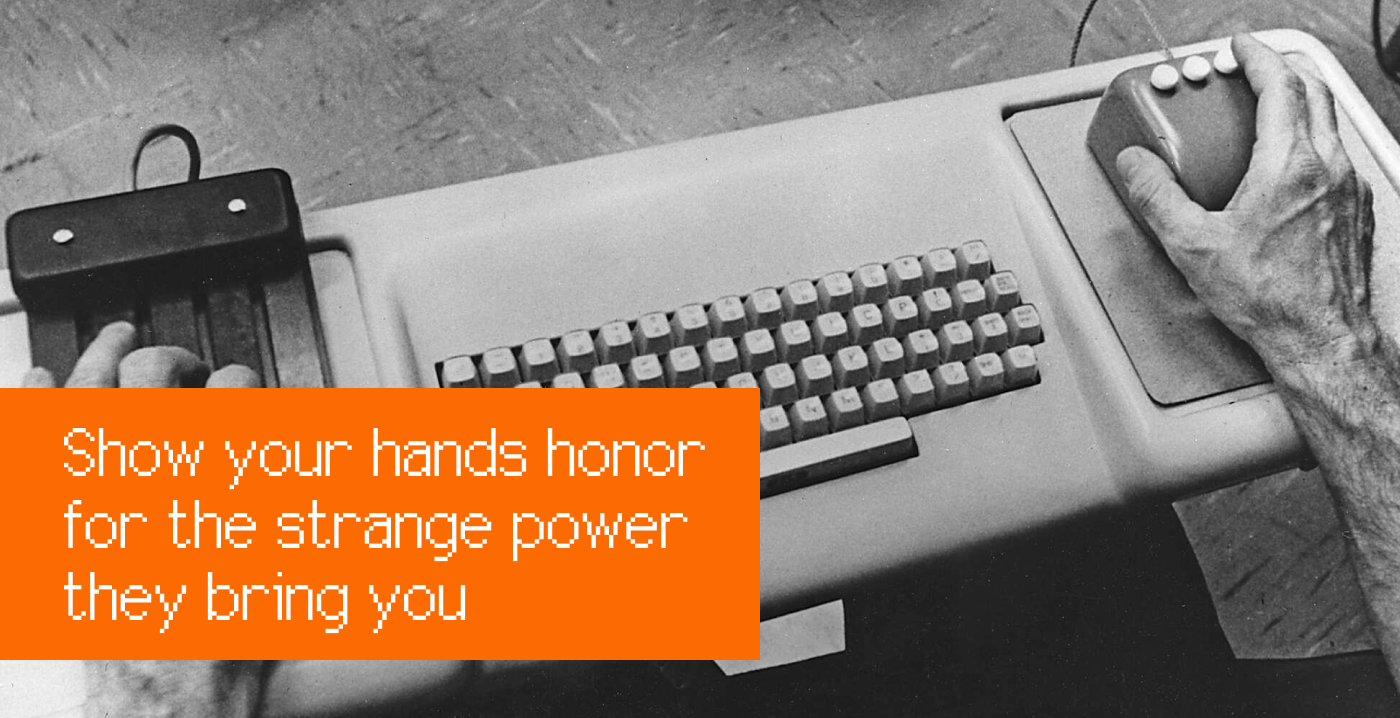
The design of typing: How our hands shaped the keyboard
A deep, articulate exploration of the history and design of typing interfaces, from early typewriters to modern keyboards. The article exami
 aresluna.org·1d ago
The Enduring Appeal of Bitmap Fonts: How Constraint-Based Design Shapes Digital Aesthetics
The article explores the enduring appeal and significance of bitmap fonts in computing, arguing that they represent a design philosophy born
 korigamik.dev·2mo ago
What Digital Designers Can Learn from Print's Culture of Finality
This article explores the valuable lessons print designers possess that digital designers have lost in the transition to screen-based work.
 Designer Daily·5d ago
Recreating the Canon Cat's Document-Centric Interface: A Minimalist Computing Experiment
This article explores the Canon Cat, an obscure 1987 computer that featured a unique document-centric interface designed by Jef Raskin. The
The Last Signature: Why AI is Erasing the Human Touch
 spreaker.com·14d ago
Building a Localization-Ready Design System: A Case Study on Figma Variables and Design Tokens
This case study explores how designers Rebecca and Mark built a localization-ready design system for global audiences using Figma Variables
 Smashing Magazine·1y ago
Comments
Sign in to join the conversation.
No comments yet. Be the first.