
























Building a Localization-Ready Design System: A Case Study on Figma Variables and Design Tokens
Learn how two designers tackled the challenges of building a localization-ready design system for a global audience. This case study dives into how Rebecca and Mark combined Figma Variables and…
Read the full articleYou might also wanna read


AI-Powered Design Automation in Figma Using Natural Language Commands
Connect your AI assistant to Figma through MCP. Create designs, update layers, and manage components directly from Cursor. Real-time bidirec
 Product Hunt·6mo ago
Scaling design systems: managing theming, experimentation, and maintainability
Design system architecture: theming, experiments, and keeping it maintainable Every design system eventually hits the same wall. The setup t
 medium.com·7d ago
Scaling design systems: managing theming, experimentation, and maintainability
Design system architecture: theming, experiments, and keeping it maintainable Every design system eventually hits the same wall. The setup t
medium.com·7d ago
Figma Releases Remote MCP for Live Design Integration with IDEs and AI Agents
A collaborative design tool for creating user interfaces, mobile apps, and websites with a wide range of features, including vector editing
Product Hunt·23d ago
Streamlining design-to-code handoffs: Deploying fixes directly with Figma Make
The handoff from design to code doesn't have to be a one-way street. This workflow shows how a designer can connect a codebase to Figma Make
 figma.com·1d ago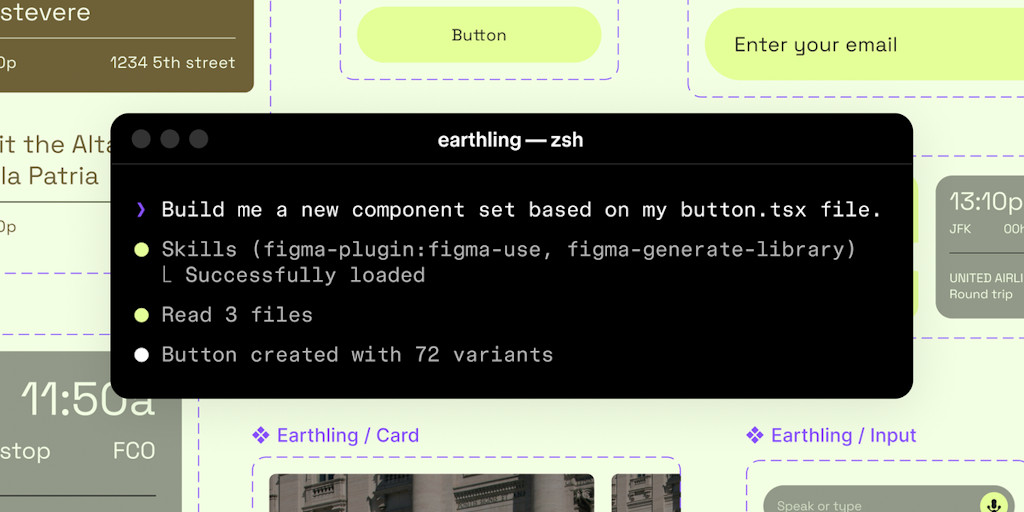
Figma Launches AI Tool That Connects AI Agents to Design Systems
AI-generated designs break brand standards because agents can't see your design system. Figma's use_figma MCP tool changes that. For product
Product Hunt·3mo ago10 UI Localization Best Practices for Developers
Discover essential UI localization best practices for developers to enhance user experience and engagement across global markets.
Comments
Sign in to join the conversation.
No comments yet. Be the first.