
























The design of typing: How our hands shaped the keyboard
By
Marcin Wichary
Summary
A deep, articulate exploration of the history and design of typing interfaces, from early typewriters to modern keyboards. The article examines how the human hand interacts with typing devices, the evolution of keyboard layouts (including QWERTY's misunderstood origins), and the design philosophy behind creating finger-friendly interactions. It blends historical narrative with design analysis, using interactive playgrounds to engage readers in understanding the tactile and ergonomic dimensions of typing.
Source
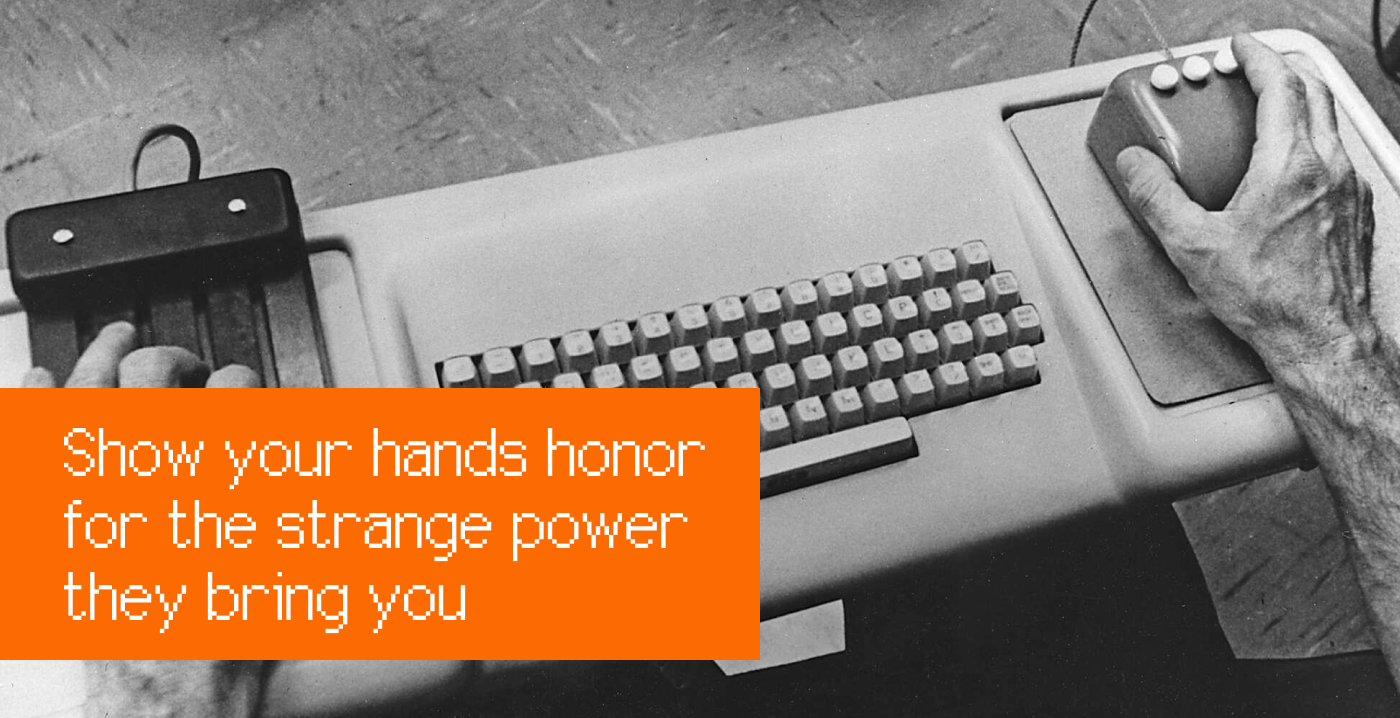
 Hacker NewsThe design of typing: How our hands shaped the keyboardaresluna.org
Key quotes
· 3 pulledA hundred or so years ago, there was a problem. People were simply typing too fast.
Contrary to popular belief, typewriters were never that primitive. You could type really fast on even the first popular typewriter, and the QWERTY layout was actually designed to allow you to do just that.
On designing finger-friendly interactions
You might also wanna read


The Evolution and Design Patterns of Television Interface Experiences
This article explores the specialized field of TV interface design, examining its historical evolution, unique constraints, and fundamental
 Smashing Magazine·10mo ago
The Last Signature: Why AI is Erasing the Human Touch
 spreaker.com·12d ago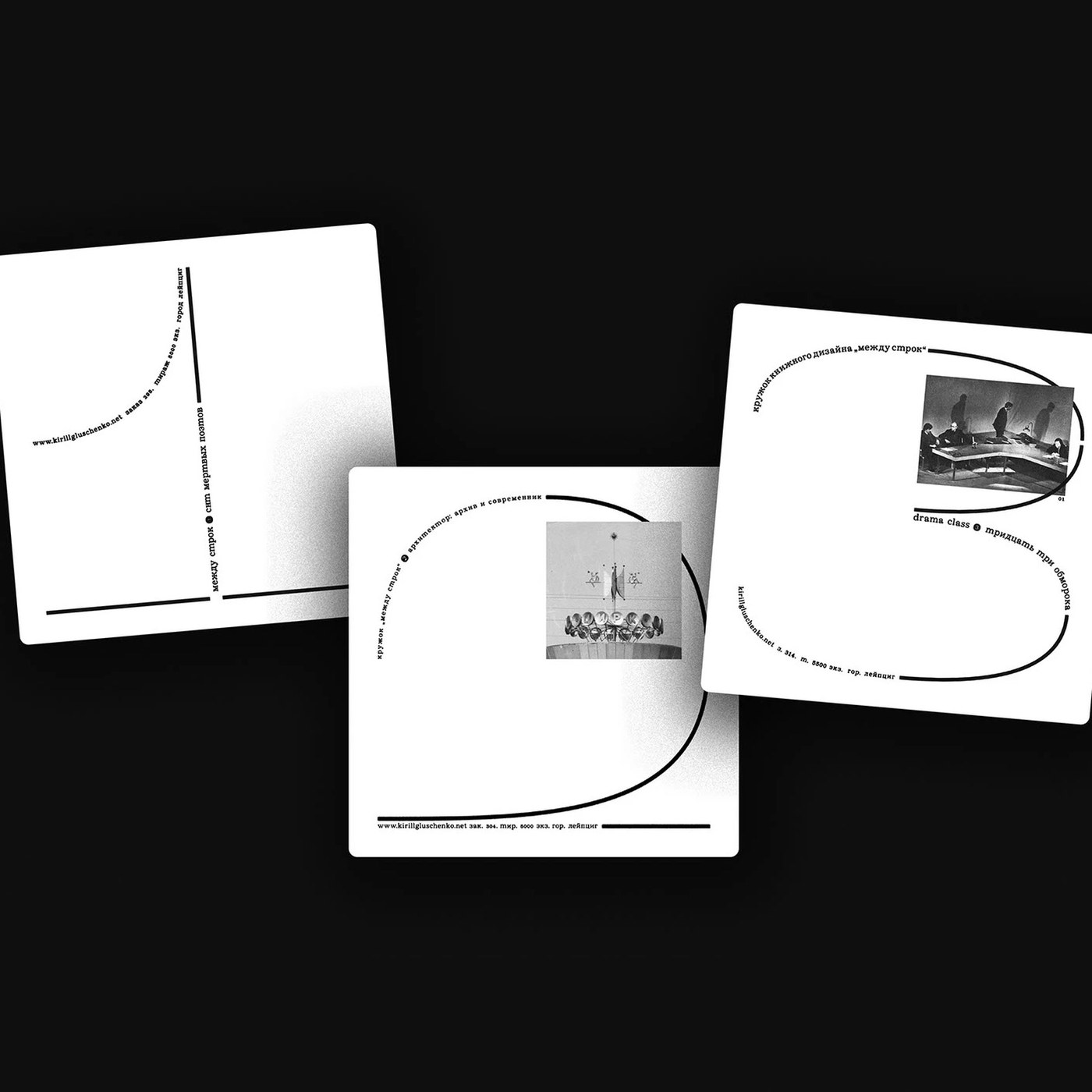
Kirill Gluschenko's Disciplined Approach to Book Design: Layout, Grids, and Typographic Rhythm
Kirill Gluschenko presents a disciplined approach to book design, focusing on how physical formats, layout structure, and text rhythm work t
 abduzeedo.com·14d ago
A Practical Guide to Keyboard Navigable Web Design and Accessibility
This article from Smashing Magazine explores the importance and implementation of keyboard navigation in web design. It covers why keyboard
Smashing Magazine·1y ago
AI's Impact on UX Design: Blurring Lines Between Design and Engineering
The article examines how the rapid adoption of AI is fundamentally changing the UX design profession, blurring traditional boundaries betwee
Smashing Magazine·2mo ago
Designing for AI Agents and Humans: Rethinking the Concept of "User" in Interface Design
The article explores how AI agents are increasingly interacting with digital interfaces alongside human users, challenging traditional UX de
 nngroup.com·19d ago
Comments
Sign in to join the conversation.
No comments yet. Be the first.