
























Grasses, not just trees, store carbon in savannas — and tree planting can harm these ecosystems
Summary
This article challenges the common assumption that planting trees in savannas is an effective climate mitigation strategy. It argues that savannas are not suitable for tree planting, which can harm biodiversity, and highlights that grasses play an important role in carbon storage through a vulnerable type of soil carbon. The piece is a plain language summary of a Functional Ecology research article by Hawkins et al., emphasizing that non-forested ecosystems like savannas have their own carbon storage mechanisms that should be protected rather than converted to tree plantations.
Source
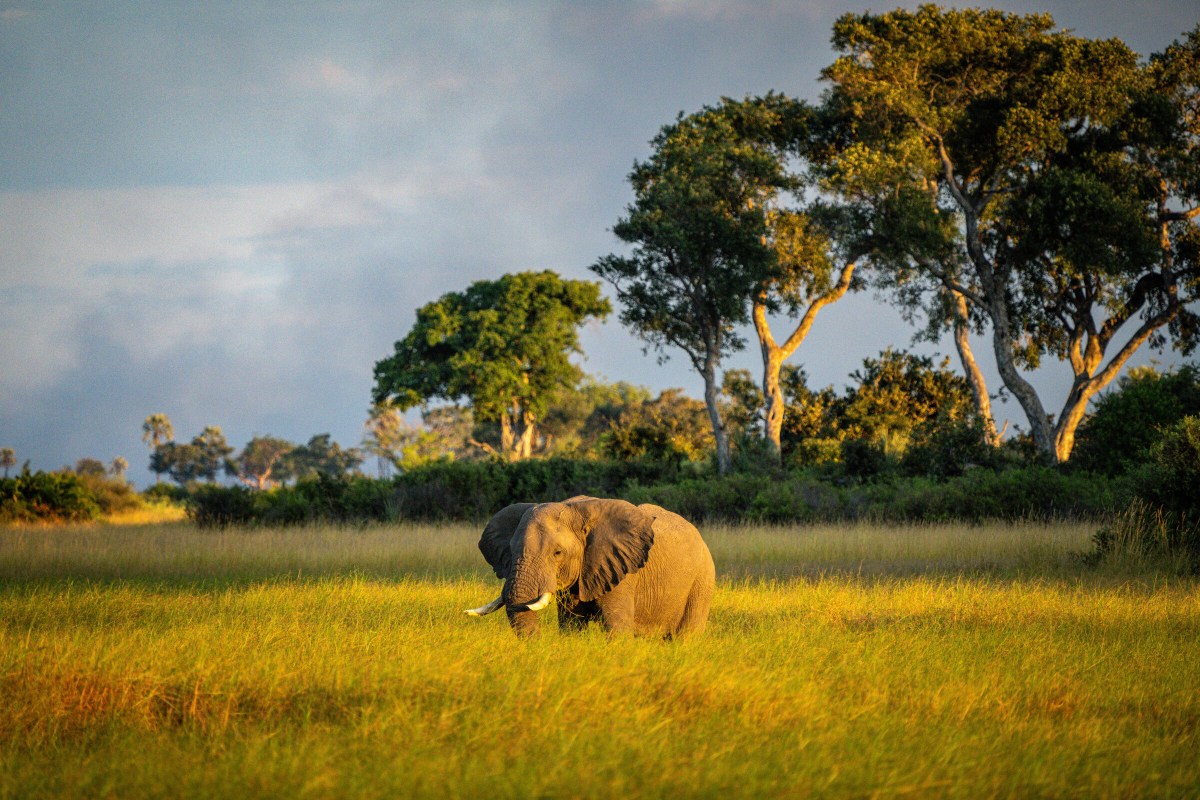
 bskyGrasses, not just trees, store carbon in savannas — and tree planting can harm these ecosystemsfesummaries.wordpress.com
Key quotes
· 3 pulledPlanting trees in savannas is often promoted as a way to store more carbon and thus help to mitigate the rising atmospheric carbon dioxide that is leading to climate change.
But planting trees is not suitable for non-forested areas such as savannas and can harm biodiversity here.
The carbon gains are also uncertain.
You might also wanna read

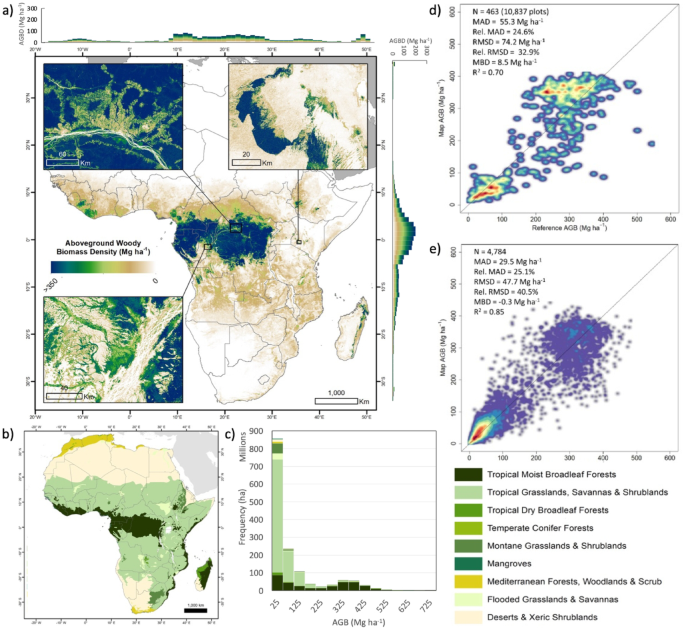
Africa's Forests Shift from Carbon Sink to Carbon Source Due to Tropical Deforestation
A scientific study reveals that Africa's forests have transitioned from a carbon sink to a carbon source between 2010 and 2017, primarily du
 nature.com·6mo ago
The Impact of Forest Restoration on Global Cooling
Replanting forests can help cool the planet, especially in the tropics, but it won't fully offset human-generated warming. A study suggests
news.ucr.edu·1y ago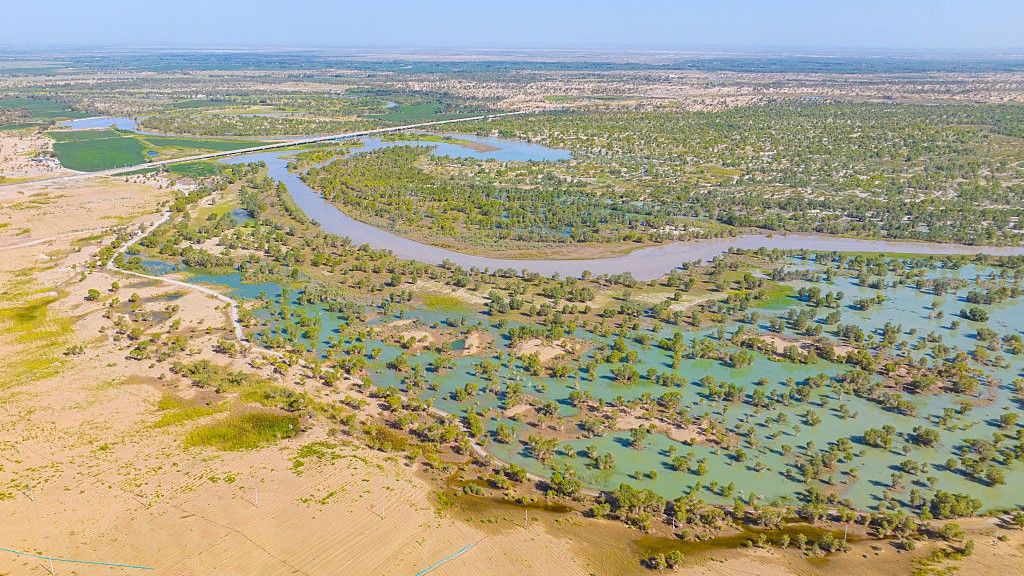
China's Tree Planting Transforms Taklamakan Desert into Carbon Sink
New research reveals that China's massive tree-planting efforts around the Taklamakan Desert have transformed the region from a 'biological
 livescience.com·4mo ago
How sugar cane cultivation drives environmental destruction worldwide
This article argues that sugar cane, as the world's leading agricultural crop by mass, represents a major but overlooked environmental threa
 ynetnews.com·1d ago
Game Development: Implementing Procedural Vegetation Planting in 'Around The World'
This article is part of a game development series about 'Around The World,' a sea exploration game in early development. The author details
 frozenfractal.com·7mo ago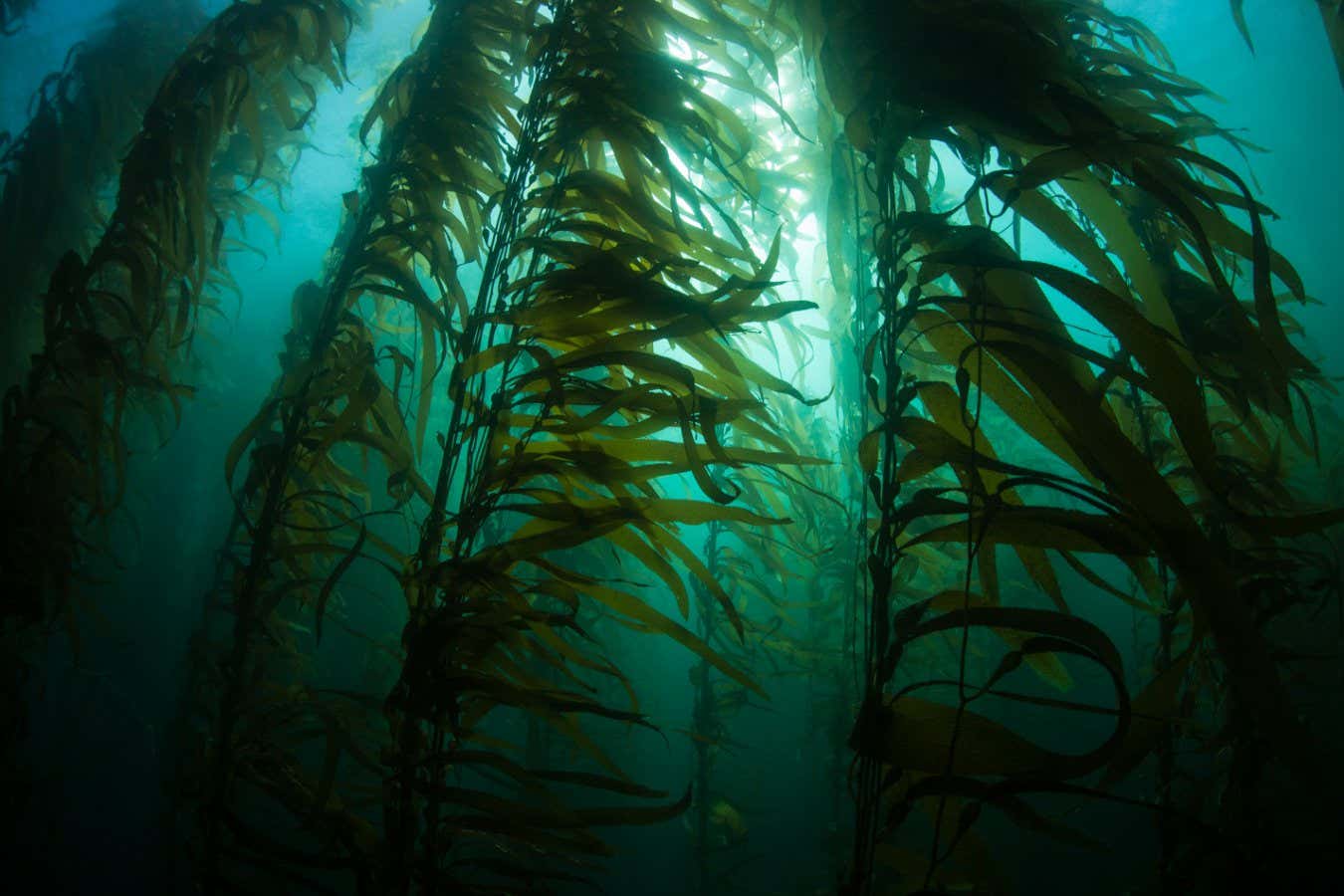
Seaweed-based carbon removal technique may increase CO2 due to ocean nutrient disruption
Seaweed cultivation, touted as a promising carbon dioxide removal technique with tens of millions in investment, may backfire due to uninten
 newscientist.com·3d ago
Comments
Sign in to join the conversation.
No comments yet. Be the first.