





















China's Tree Planting Transforms Taklamakan Desert into Carbon Sink
By
Brajeshwar

Hot, fresh, and worth queueing round the block for.
Summary
New research reveals that China's massive tree-planting efforts around the Taklamakan Desert have transformed the region from a 'biological void' into a carbon sink that absorbs more carbon dioxide than it emits. The desert, which is slightly larger than Montana, has seen extensive ecological engineering along its edges, creating vegetation that now functions as a significant carbon sink. This represents a major environmental achievement in one of the world's largest and driest deserts.
Key quotes
· 3 pulledMass tree planting in China is turning one of the world's largest and driest deserts into a carbon sink, meaning it absorbs more carbon from the atmosphere than it emits, new research reveals.
The Taklamakan Desert (also spelled Taklimakan or Takla Makan) is slightly larger than Montana, stretching across about 130,000 square miles (337,000 square kilometers).
Huge-scale ecological engineering around the edges of one of the world's largest and driest deserts has turned it into a carbon sink that absorbs more CO2 than it emits, research suggests.
You might also wanna read

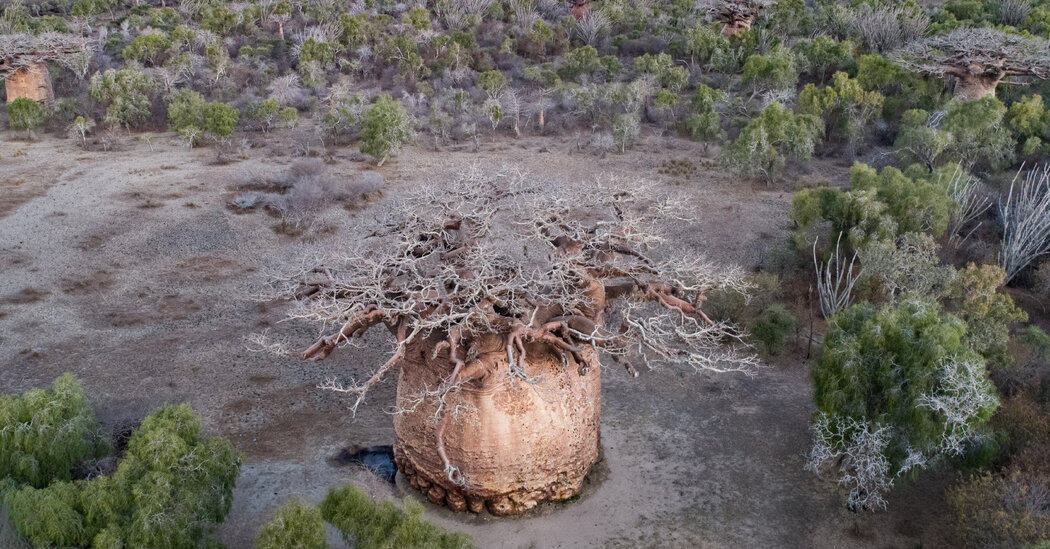
Sacred 1,500-Year-Old Baobab Tree in Madagascar Shows Signs of Decay
A centuries-old sacred baobab tree called Tsitakakantsa in Madagascar's Andombiry Forest is slowly dying, showing signs of decay including a
 nytimes.com·1d ago
Climate scientists drop worst-case scenario as global action makes it increasingly unlikely
Climate scientists have removed the worst-case emissions scenario (RCP8.5/SSP5-8.5) from new climate projections because global climate acti
 theconversation.com·1d ago
Europe's forests struggle to survive as climate-driven heatwaves intensify
The article reports on how Europe's forests are suffering from climate-driven heatwaves and drought, using the example of a dying oak tree i
 enca.com·1d ago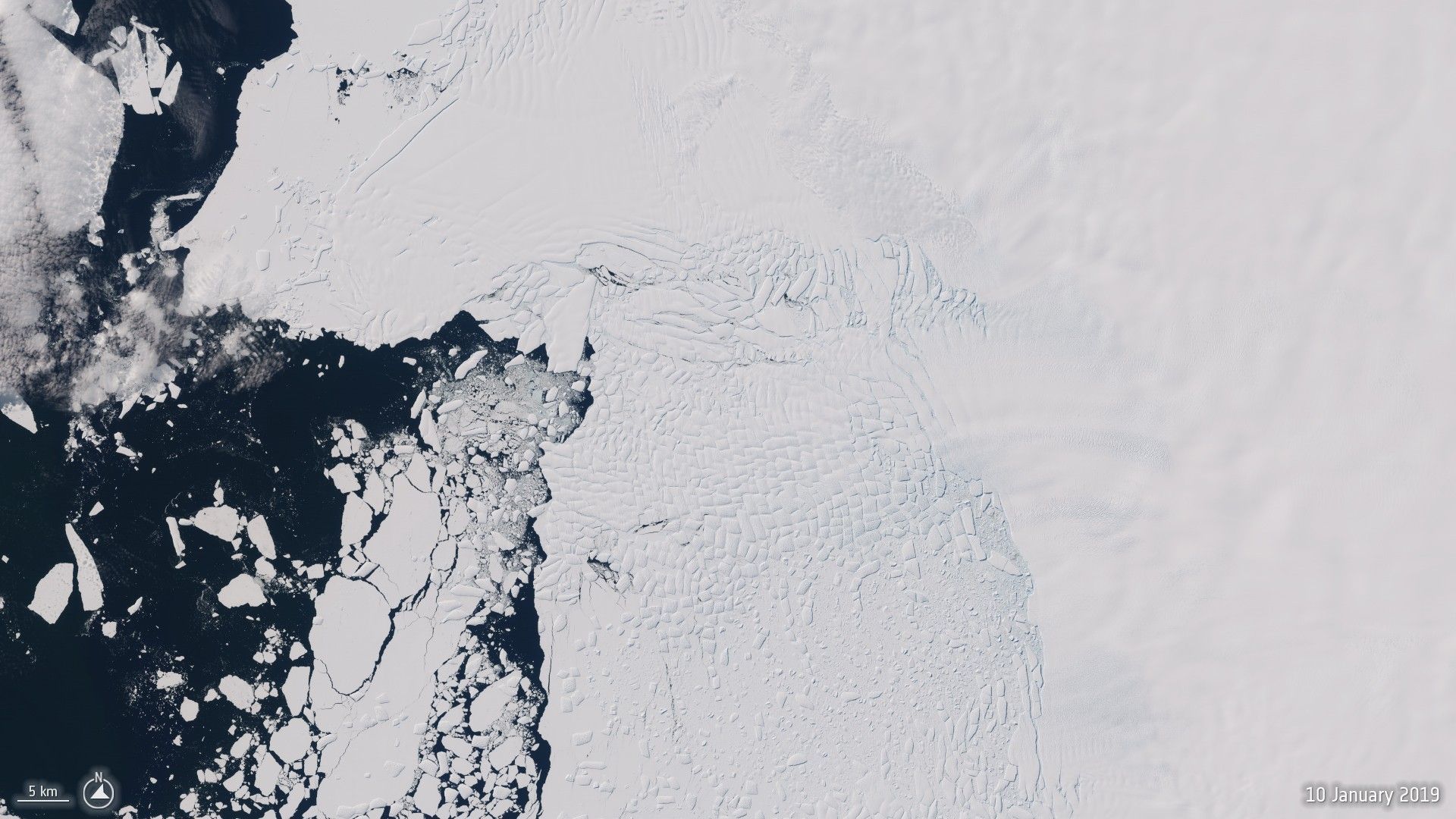
Thwaites 'Doomsday Glacier' expected to lose protective ice shelf this year, threatening global sea level rise
Antarctica's Thwaites Glacier, known as the "Doomsday Glacier," is expected to lose its eastern ice shelf this year, which protects it from
 livescience.com·2d ago
Europe's record dam removal in 2025 restores rivers and revives salmon populations
Europe removed a record 603 dams and barriers across 21 countries in 2025, reconnecting thousands of kilometers of rivers. The article focus
 edition.cnn.com·3d ago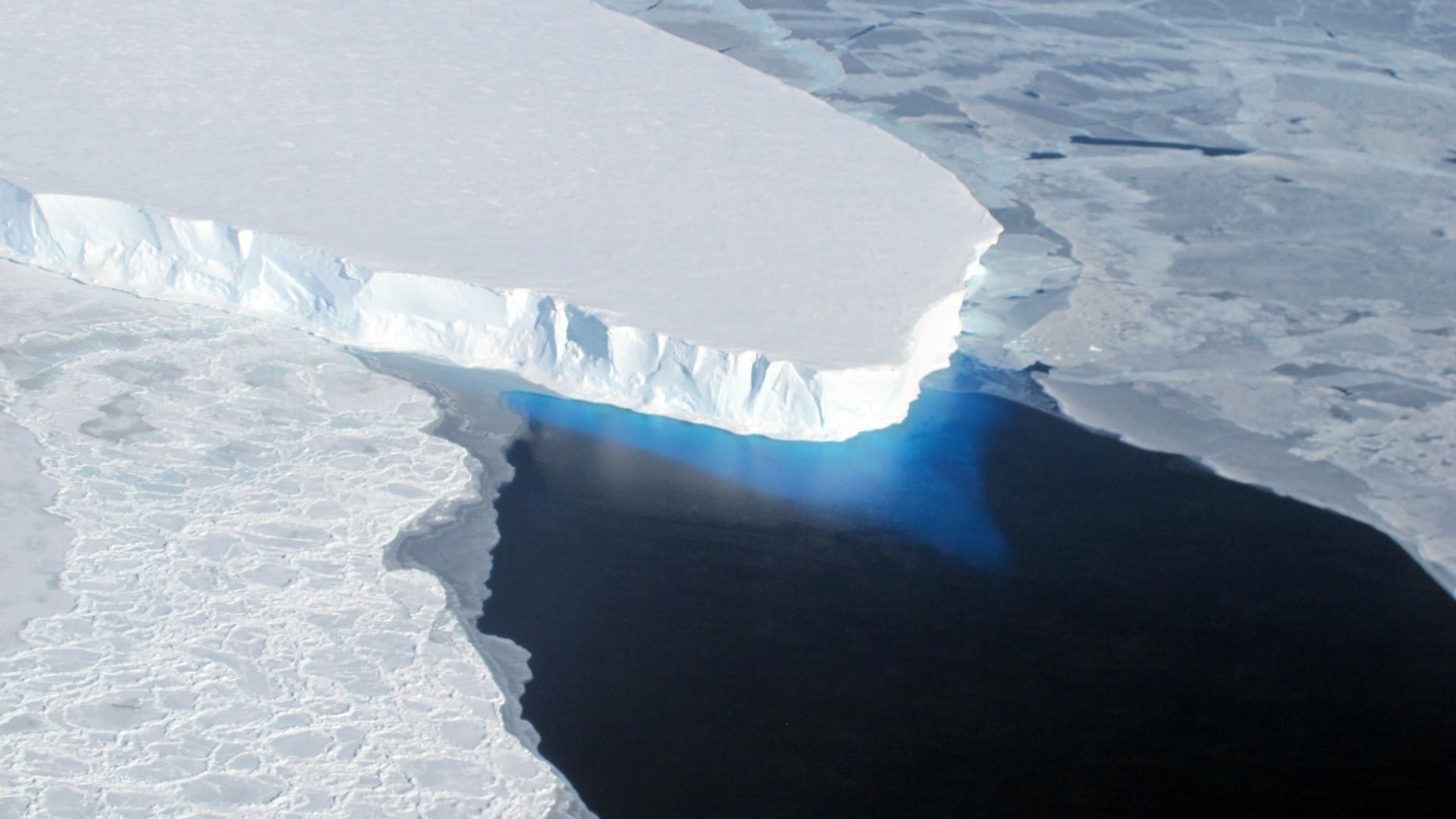
Antarctica's Thwaites 'Doomsday Glacier' faces imminent ice shelf loss, accelerating sea-level rise threat
Antarctica's Thwaites Glacier (the "Doomsday Glacier") is about to lose its eastern ice shelf, accelerating its destabilization. The glacier
livescience.com·3d ago