





















Sacred 1,500-Year-Old Baobab Tree in Madagascar Shows Signs of Decay
By
Jonathan Wolfe

A reheated bagel, served cold.
Summary
A centuries-old sacred baobab tree called Tsitakakantsa in Madagascar's Andombiry Forest is slowly dying, showing signs of decay including a foul-smelling, dark liquid seeping from its base. French baobab researcher Cyrille Cornu, who discovered the tree's deterioration, notes this is unprecedented in his experience. The tree's decline signals broader environmental stress on Madagascar's fragile ecosystems.
Key quotes
· 2 pulledIt smelled like mushrooms but worse, like decomposition.
I was surprised because I never saw this before.
You might also wanna read

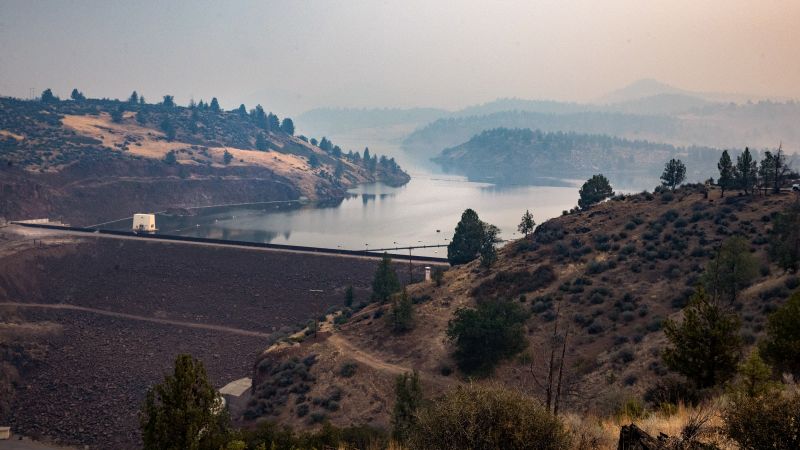
Europe's record dam removal in 2025 restores rivers and revives salmon populations
Europe removed a record 603 dams and barriers across 21 countries in 2025, reconnecting thousands of kilometers of rivers. The article focus
 edition.cnn.com·4d ago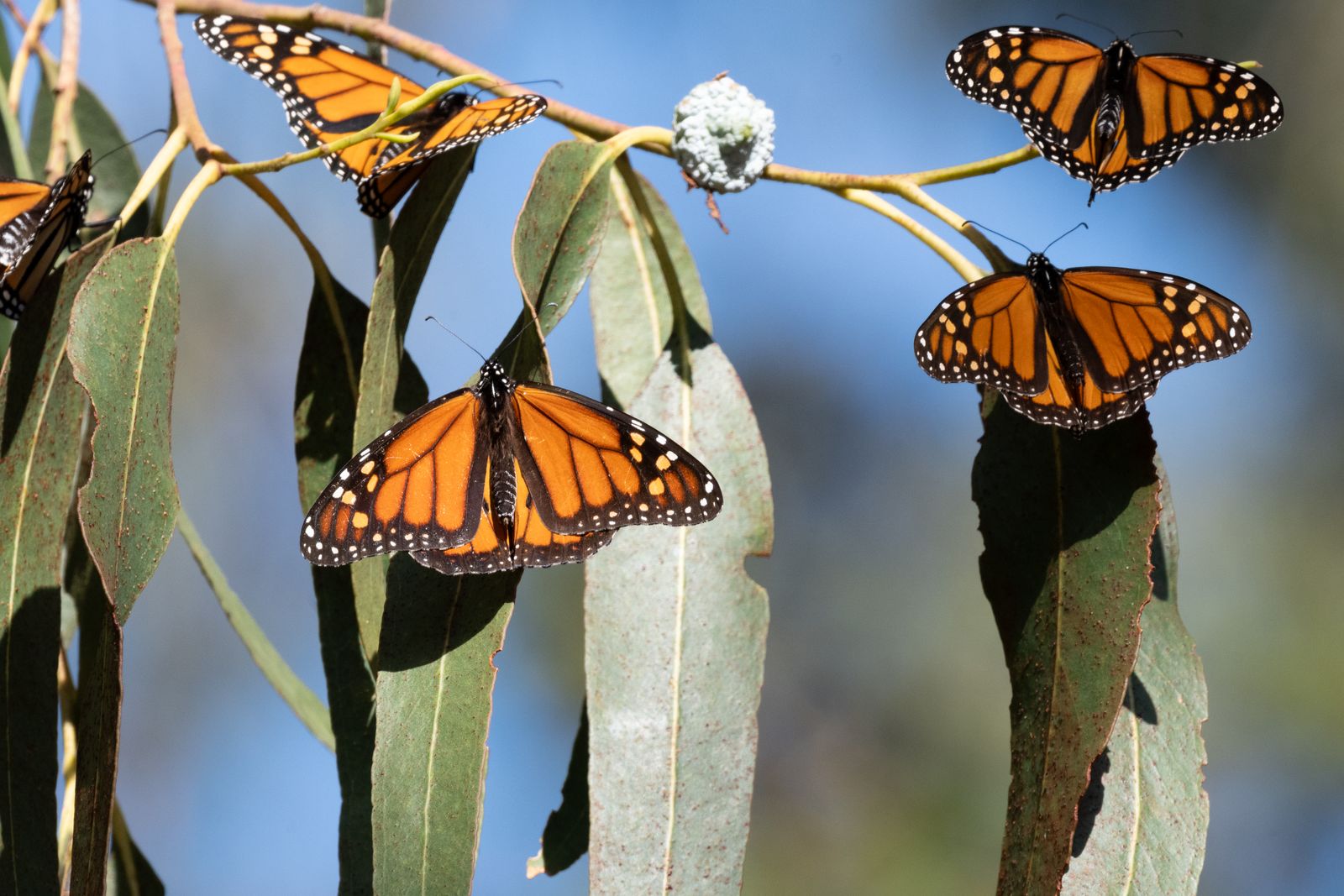
Western Monarch Butterfly Decline Reflects Broader North American Insect Crisis Driven by Pesticides, Habitat Loss, and Climate Change
The article examines the dramatic decline of butterfly populations across North America, using the Western Monarch butterfly as a case study
 smithsonianmag.com·1mo ago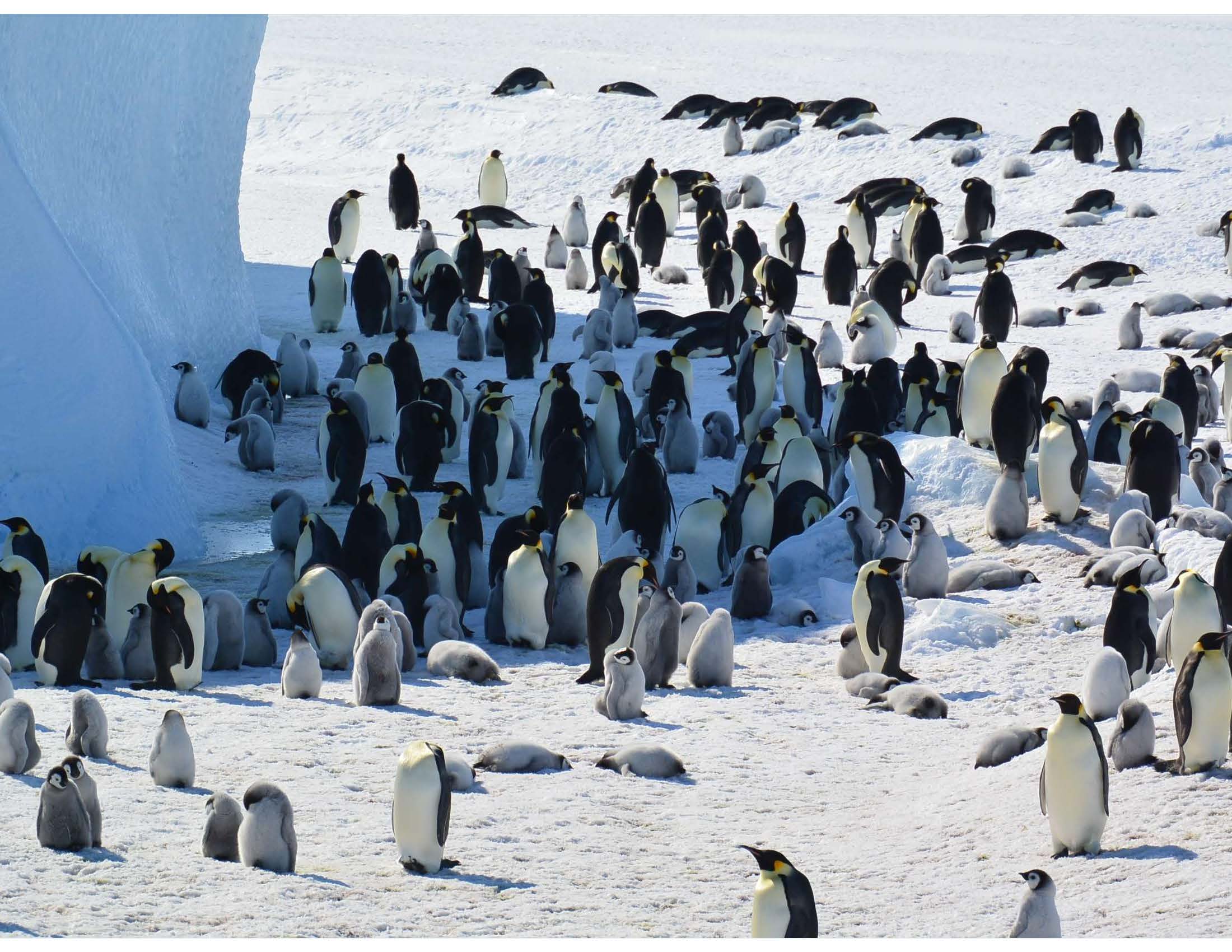
Emperor Penguins and Antarctic Fur Seals Listed as Endangered by IUCN Due to Climate Change Impacts
The IUCN Red List has classified emperor penguins and Antarctic fur seals as Endangered due to climate change impacts in Antarctica. Emperor
 iucn.org·1mo ago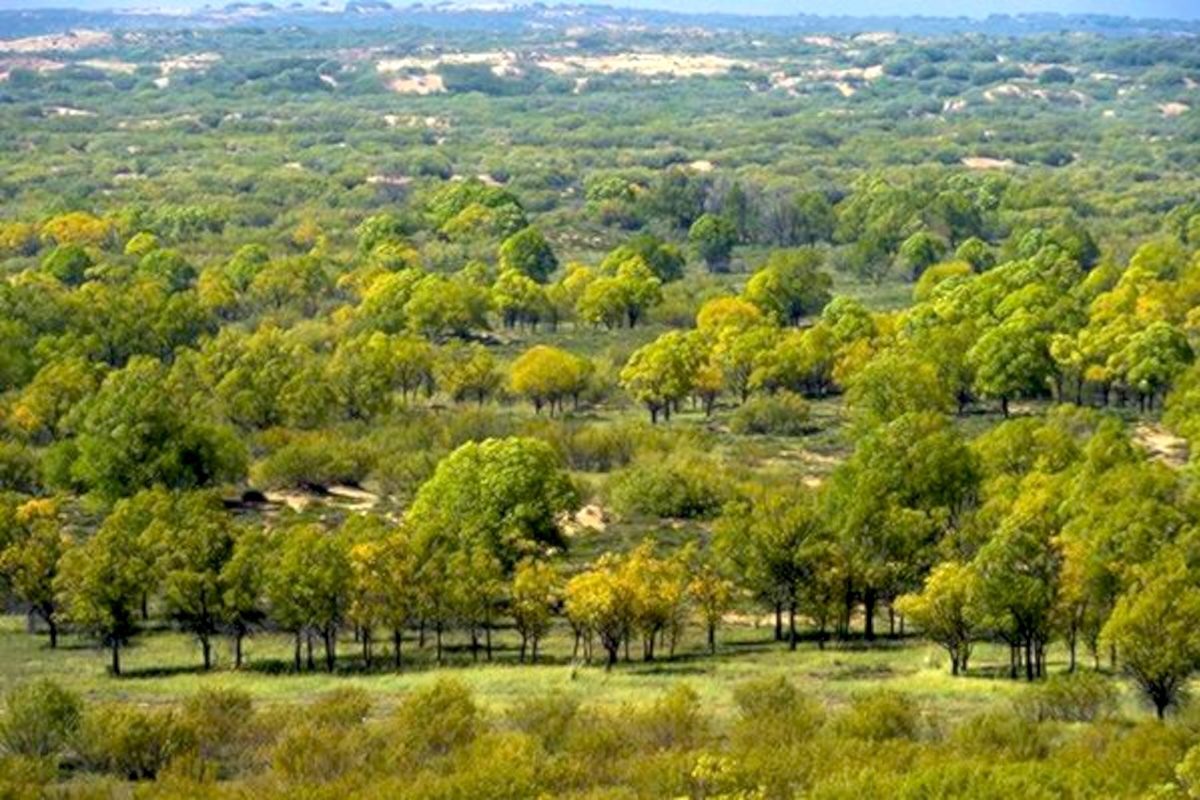
China Adds Forest Area Equivalent to Texas Since 1990 Through Reforestation Efforts
China has added more than 170 million acres of forest since 1990, an area roughly the size of Texas, making it one of the few countries expe
 e360.yale.edu·7mo ago
Study: Climate change could increase large hailstones by nearly 50% by 2100
A new study published in Nature warns that climate change will significantly increase the frequency of large hailstones (bigger than a marbl
 euronews.com·3h ago
Emerging Technologies Could Replace Ship Speed Limits to Protect North Atlantic Right Whales
The article discusses how emerging technologies—such as satellite ping trackers, thermal cameras, and acoustic monitoring devices—could help
 nytimes.com·11h ago