
























Seaweed-based carbon removal technique may increase CO2 due to ocean nutrient disruption
By
Alec Luhn
Summary
Seaweed cultivation, touted as a promising carbon dioxide removal technique with tens of millions in investment, may backfire due to unintended side effects. The process could alter ocean nutrient levels and potentially hamper other CO2-absorbing processes, possibly even increasing atmospheric CO2 instead of decreasing it. While CDR is considered necessary to meet Paris Agreement climate goals, this analysis suggests seaweed-based approaches face significant ecological risks.
Source
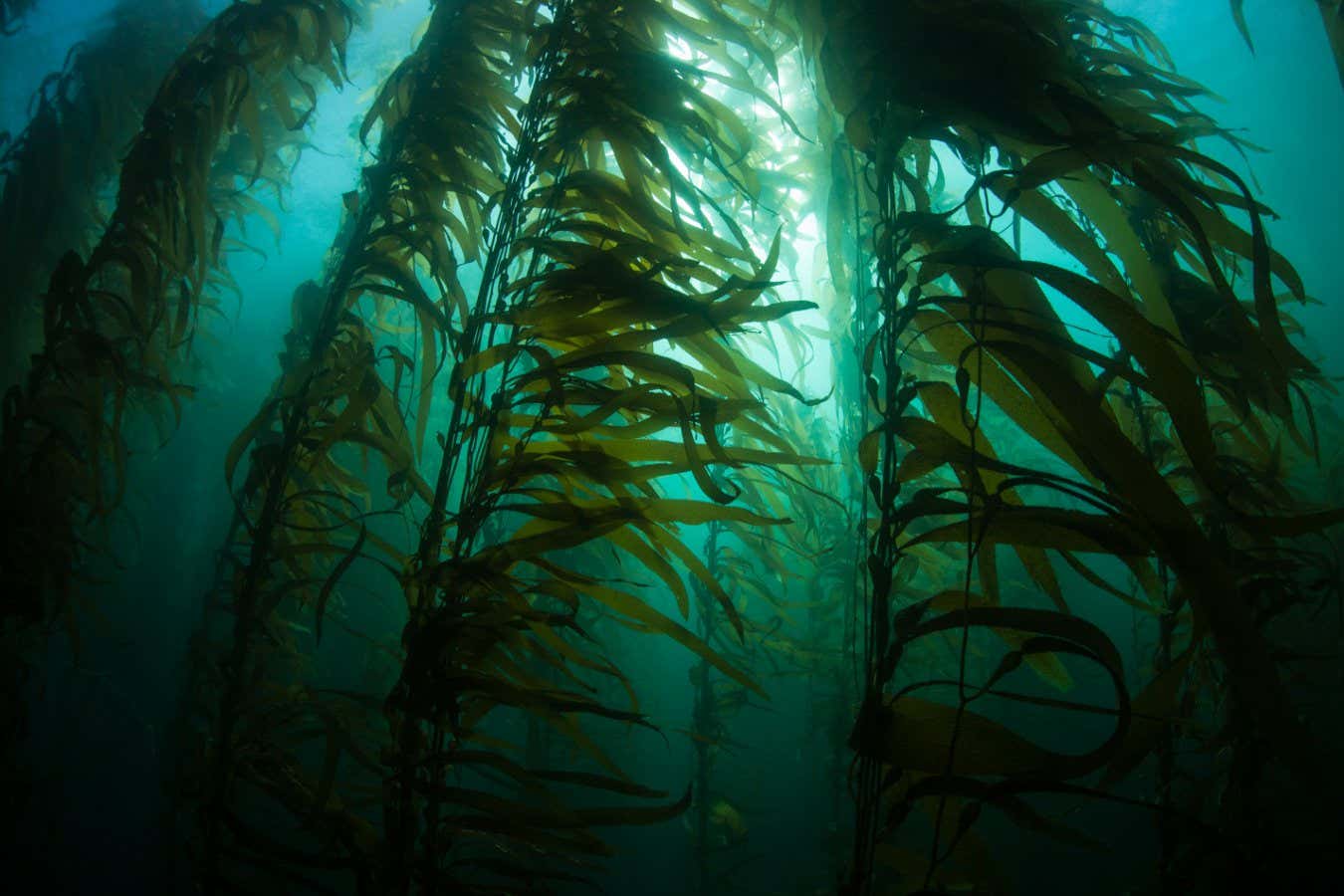
 Twitter / XSeaweed-based carbon removal technique may increase CO2 due to ocean nutrient disruptionnewscientist.com
Key quotes
· 3 pulledTens of millions of dollars have been invested in growing seaweed to absorb carbon dioxide and slow climate change.
But due to unwanted side effects, this technique could fail to significantly decrease the CO2 in the atmosphere, and it might even increase it.
Carbon dioxide removal (CDR) will be needed to meet the Paris Agreement goal of limiting global warming to 2°C, according to the UN, and many have hoped seaweed could be a cheap way to do that.
You might also wanna read

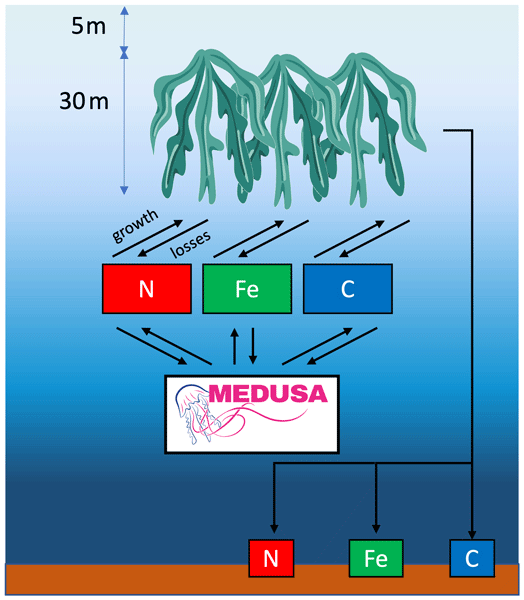
Study finds large-scale seaweed cultivation offers low carbon removal potential with significant ecological costs
This study uses a new macroalgae aquaculture module within the NEMO-MEDUSA ocean biogeochemistry model to assess the potential of large-scal
 bg.copernicus.org·16d ago
Efficacy of seaweed-based carbon dioxide removal reduced by iron limitation and nutrient competition with phytoplankton - Nature Communications
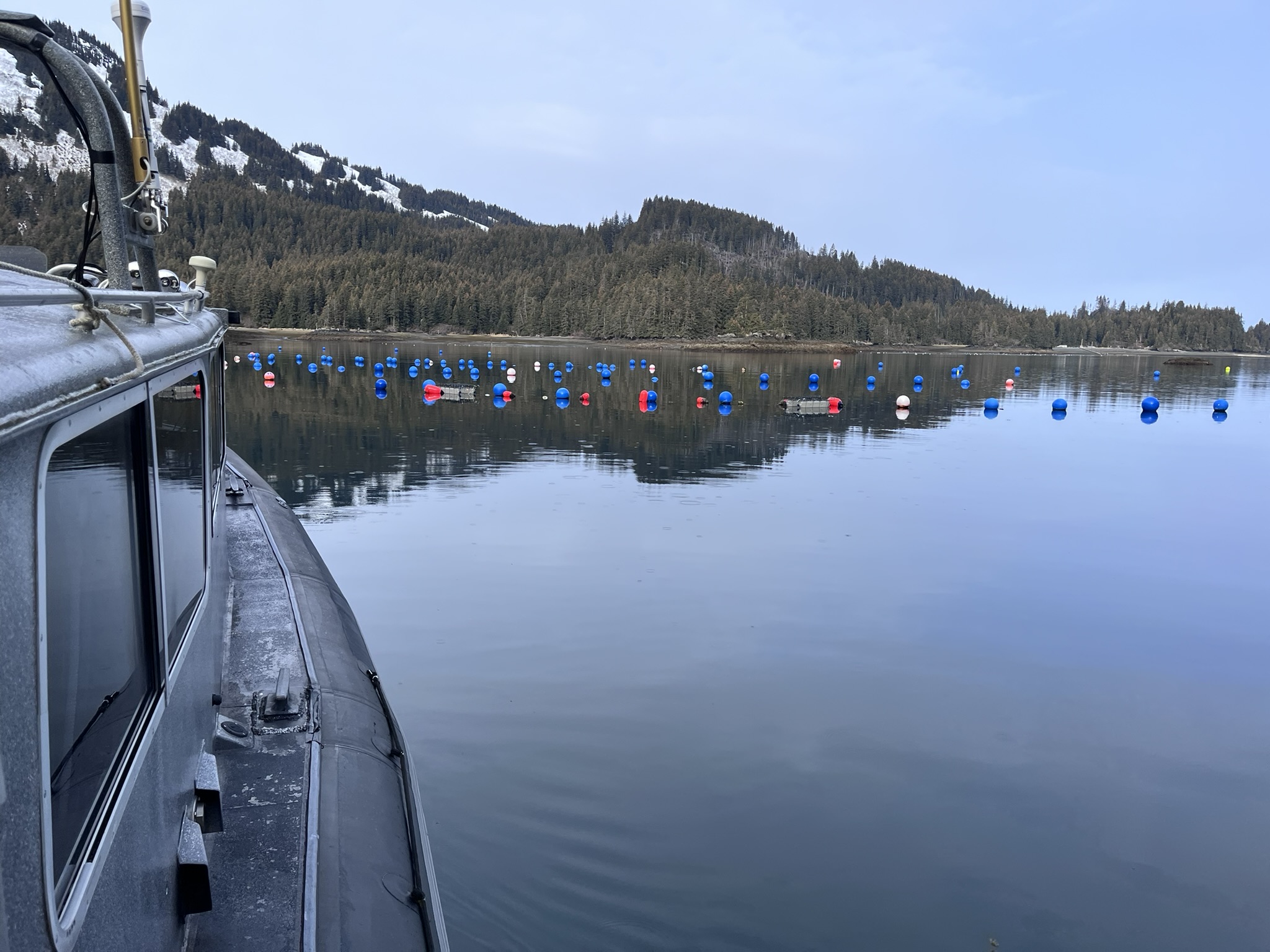
Study finds Alaska kelp farms have mixed effects on marine CO2 levels
A new study on Alaska kelp farms reveals that their effects on marine CO2 levels are complex and varied, challenging the assumption that kel
 uaf.edu·9d ago
Quantifying farmed kelp atmospheric CO2 uptake and release through localized air-sea flux measurements in the Northern Gulf of Alaska
 os.copernicus.org·9d ago
Report Finds Carbon Dioxide Removal Efforts Far Behind Schedule to Combat Climate Change
A new report reveals that carbon dioxide removal (CDR) efforts are falling far short of what's needed to combat climate change. The technolo
 futurism.com·18d ago
Assessing the climate impact potential of ocean-based solutions: Offshore wind leads, coastal ecosystems contribute modestly
This article examines ocean-based climate solutions, assessing their readiness and potential climate impact. Offshore wind is highlighted as
 drawdown.org·14d ago
Comments
Sign in to join the conversation.
No comments yet. Be the first.