
























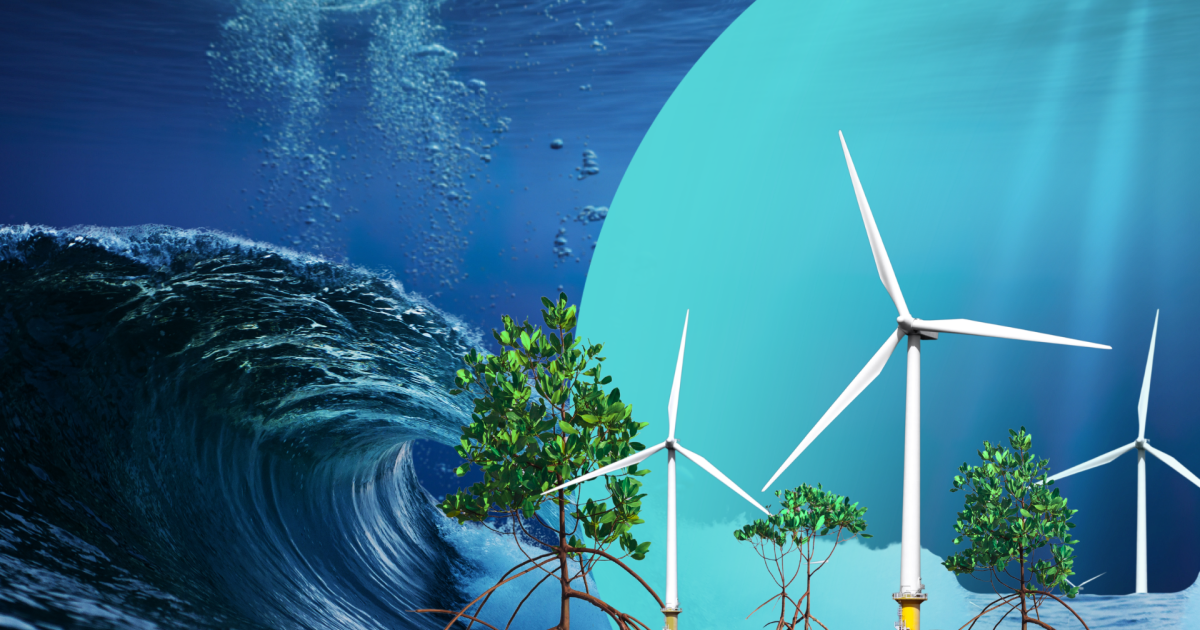
Assessing the climate impact potential of ocean-based solutions: Offshore wind leads, coastal ecosystems contribute modestly
By
by Christina Richardson, Ph.D.
Summary
This article examines ocean-based climate solutions, assessing their readiness and potential climate impact. Offshore wind is highlighted as the most impactful solution, with an estimated achievable impact of 1.90–3.04 Gt CO2-eq/yr. Protecting coastal wetlands and seaweed ecosystems could save an additional 0.21–0.30 Gt CO₂‑eq/yr. Other ocean actions like restoring ecosystems, reducing overfishing, improving aquaculture and fishing vessel efficiency, and protecting the seafloor contribute to climate goals but have relatively small estimated impacts. The article emphasizes that while many ocean-based solutions deserve funding, their worth must be weighed against other potentially more impactful solutions both at sea and on land.
Source
 bskyAssessing the climate impact potential of ocean-based solutions: Offshore wind leads, coastal ecosystems contribute modestlydrawdown.org
Key quotes
· 5 pulledOcean climate solutions are highly diverse and at very different stages of readiness.
Offshore wind is a top ocean-based climate solution, with an estimated achievable impact of 1.90–3.04 Gt CO2-eq/yr.
Protecting coastal wetlands and seaweed ecosystems could save an additional 0.21–0.30 Gt CO₂‑eq/yr.
Ocean actions, including restoring ecosystems, reducing overfishing, improving aquaculture and fishing vessel efficiency, and protecting the seafloor, can contribute to climate goals, but their estimated climate impacts are small
Many ocean-based climate solutions deserve funding to boost deployment. But their worth must be weighed against that of other, potentially more impactful solutions – both at sea and on land.
You might also wanna read

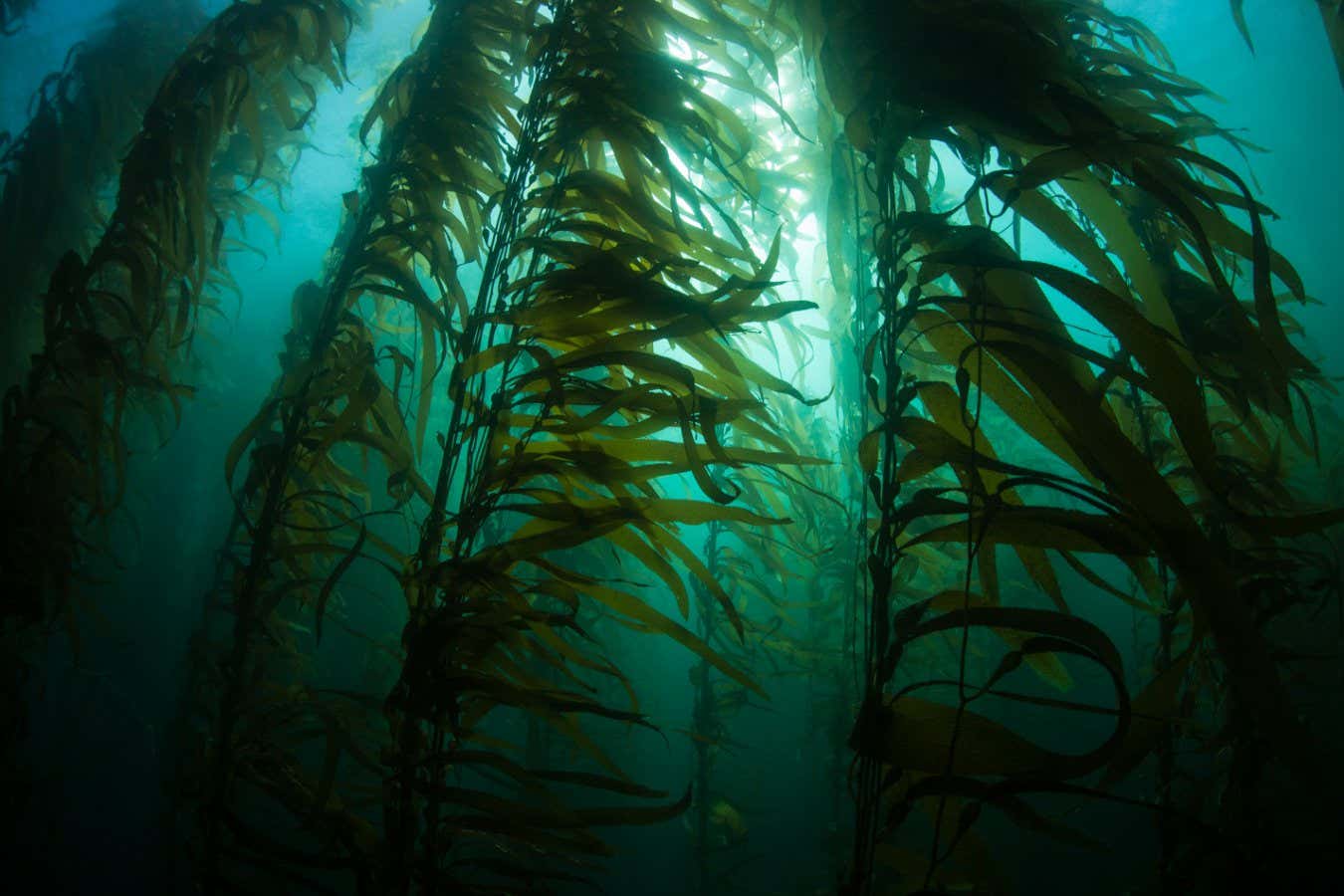
Seaweed-based carbon removal technique may increase CO2 due to ocean nutrient disruption
Seaweed cultivation, touted as a promising carbon dioxide removal technique with tens of millions in investment, may backfire due to uninten
 newscientist.com·3d ago
Using Nuclear Explosions for Carbon Sequestration: A Bold Climate Change Solution
The article proposes using nuclear explosions in a remote basaltic seabed to accelerate carbon sequestration through Enhanced Rock Weatherin
arxiv.org·11mo ago
Practical Strategies for Reducing Website Environmental Impact and Carbon Footprint
This article provides practical guidance for digital professionals on reducing the environmental impact of websites through a decarbonizing
 Smashing Magazine·9mo ago
Eliminating Aviation Contrails Could Halve Climate Impact at Low Cost
The article explores how eliminating contrails (condensation trails) from aviation could significantly reduce aviation's climate impact at a
 sustainabilitybynumbers.com·8mo ago
Exploring CO2 Sequestration via Limestone Weathering on Ships
The article discusses the potential of CO2 sequestration through accelerated weathering of limestone on ships, highlighting the role of calc
science.org·11mo ago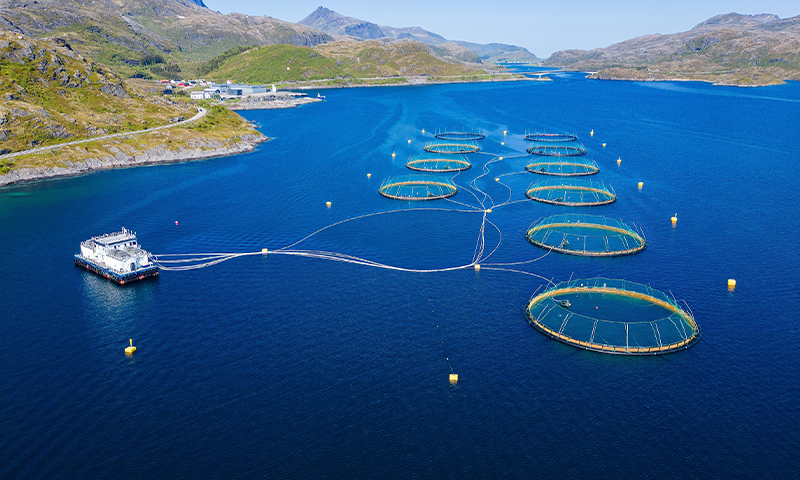
The Environmental Impact of Fishmeal: How Aquaculture Depletes Wild Fish Populations
The article examines the environmental impact of industrial fishing for fishmeal used in aquaculture (farmed seafood). It describes how smal
 nautil.us·7mo ago
Comments
Sign in to join the conversation.
No comments yet. Be the first.