





















The Environmental Impact of Fishmeal: How Aquaculture Depletes Wild Fish Populations
By
dnetesn

Front-window bakery material. Catches the eye, delivers the goods.
Summary
The article examines the environmental impact of industrial fishing for fishmeal used in aquaculture (farmed seafood). It describes how small forage fish like anchoveta, sardines, and menhaden that once formed the foundation of marine ecosystems are now being harvested in massive quantities to feed farmed fish. This practice is decimating wild fish populations and disrupting ocean food webs. The article suggests that innovative solutions are emerging to address this problem, potentially involving alternative feed sources for aquaculture.
Key quotes
· 5 pulledIn the cold waters of the Pacific, the anchoveta once shimmered in swarms so vast that sailors described them as turning the sea into a river of quicksilver.
They were small, unassuming fish, yet the abundance of the ocean rested upon their delicate bones.
In those shoals lived the vitality of the sea itself.
But in our age, the anchoveta, along with sardines and menhaden, have been transformed from living threads in an ancient web into bags of mea
We're decimating the ocean to feed farmed fish. But an innovative solution has surfaced.
You might also wanna read


Florida's Proposed Ban on Baited Shark Diving Sparks Debate Over Safety and Science
The article examines the proposed Florida Safe Seas Act, bipartisan legislation that would ban shark feeding by snorkelers and scuba divers
 scubadiving.com·20h ago
The Forgotten Native Bee: Why America's Most Important Pollinator Has No Home
An article about the overlooked native bee species that are critical for pollinating food crops, contrasted with the well-marketed honeybee.

Original 200-year-old Bramley apple tree's future uncertain after cottage sale
The original Bramley apple tree, over 200 years old and the source of millions of saplings worldwide, faces an uncertain future after Nottin
 theguardian.com·1d ago
Terra Bioindustries Secures $1.1M to Convert Brewery Waste into Food Ingredients
Toronto-based Terra Bioindustries, in partnership with Great Western Brewing Company (Saskatoon), has secured $1.1 million in funding (inclu
 vegan-news.net·4d ago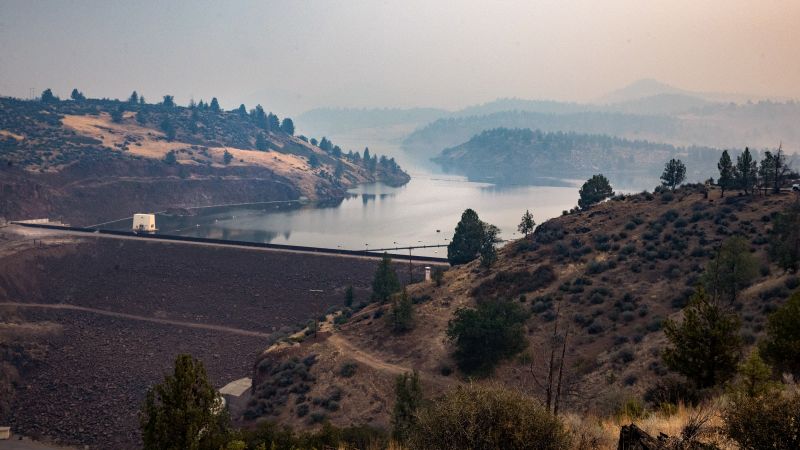
Europe removes record 603 dams in 2025 to restore river ecosystems
Europe removed a record 603 dams and barriers across 21 countries in 2025, reconnecting thousands of kilometers of rivers. The article focus
 cnn.com·4d ago
Bay Area Libraries Lend Induction Cooktops to Help Residents Ditch Gas Stoves
Bay Area libraries are lending induction cooktops to help residents transition away from gas stoves, aiming to reduce greenhouse gas emissio
 kqed.org·4d ago