





















Eliminating Aviation Contrails Could Halve Climate Impact at Low Cost
By
K2L8M11N2

Crisp on the outside, thoughtful on the inside. A keeper.
Summary
The article explores how eliminating contrails (condensation trails) from aviation could significantly reduce aviation's climate impact at a fraction of the cost of sustainable aviation fuels. While eliminating CO2 emissions from flying remains expensive, addressing contrails - which contribute substantially to global warming through their non-CO2 effects - could be surprisingly cheap and immediately implementable. The piece discusses solutions involving accurate atmospheric forecasting and modeling to avoid contrail formation, presenting this as a cost-effective way to halve aviation's overall climate impact.
Key quotes
· 3 pulledEliminating CO2 emissions from flying is going to be expensive, regardless of the solution the world adopts.
Getting rid of those could be incredibly cheap. So cheap that it's difficult to understand why we don't just go ahead and fix it.
Could we halve aviation's climate impact at a fraction of the cost of sustainable aviation fuels?
You might also wanna read


Climate scientists drop worst-case scenario as global action makes it increasingly unlikely
Climate scientists have removed the worst-case emissions scenario (RCP8.5/SSP5-8.5) from new climate projections because global climate acti
 theconversation.com·2d ago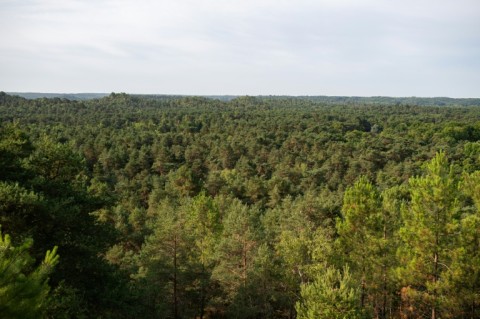
Europe's forests struggle to survive as climate-driven heatwaves intensify
The article reports on how Europe's forests are suffering from climate-driven heatwaves and drought, using the example of a dying oak tree i
 enca.com·2d ago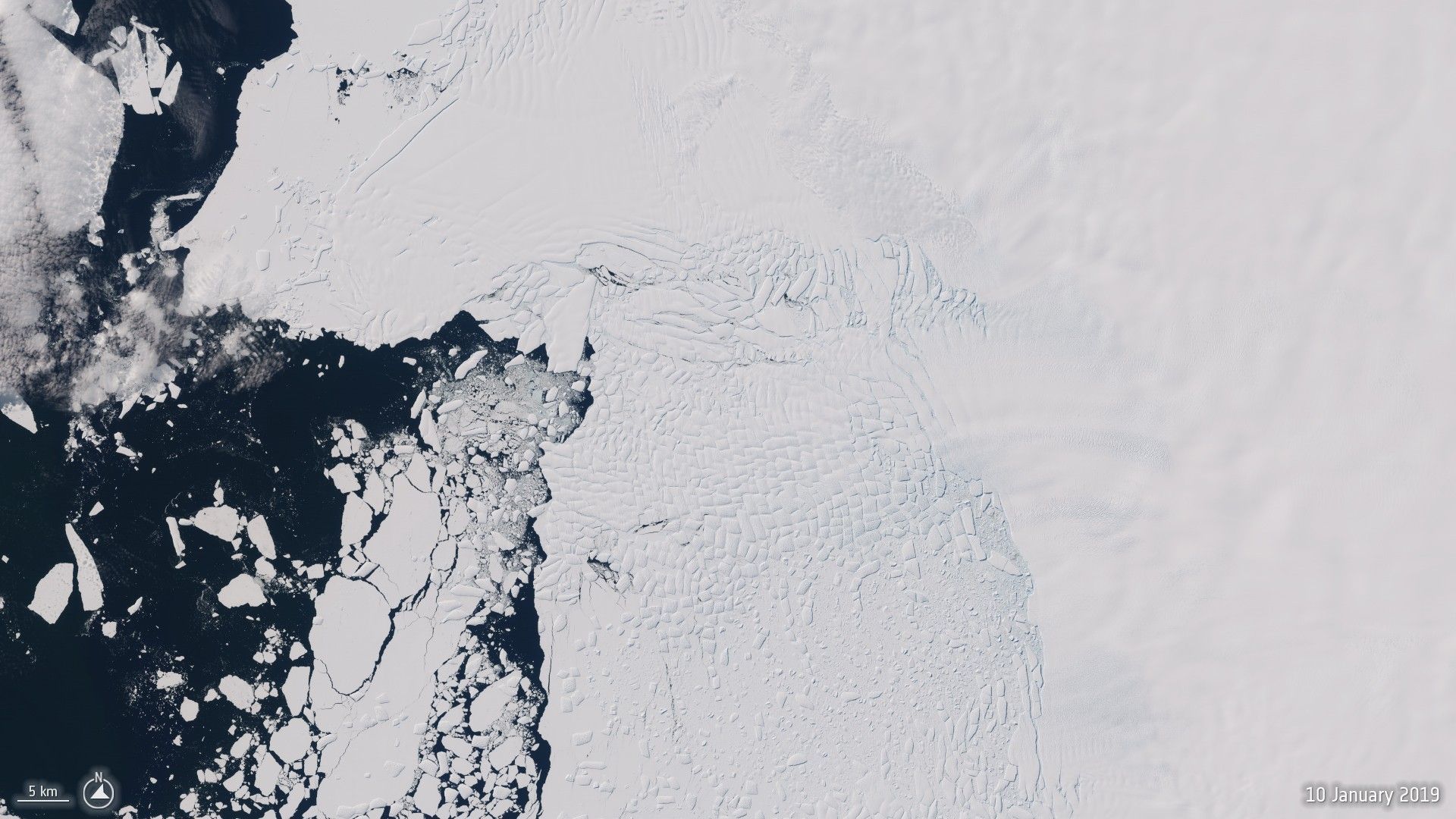
Thwaites 'Doomsday Glacier' expected to lose protective ice shelf this year, threatening global sea level rise
Antarctica's Thwaites Glacier, known as the "Doomsday Glacier," is expected to lose its eastern ice shelf this year, which protects it from
 livescience.com·3d ago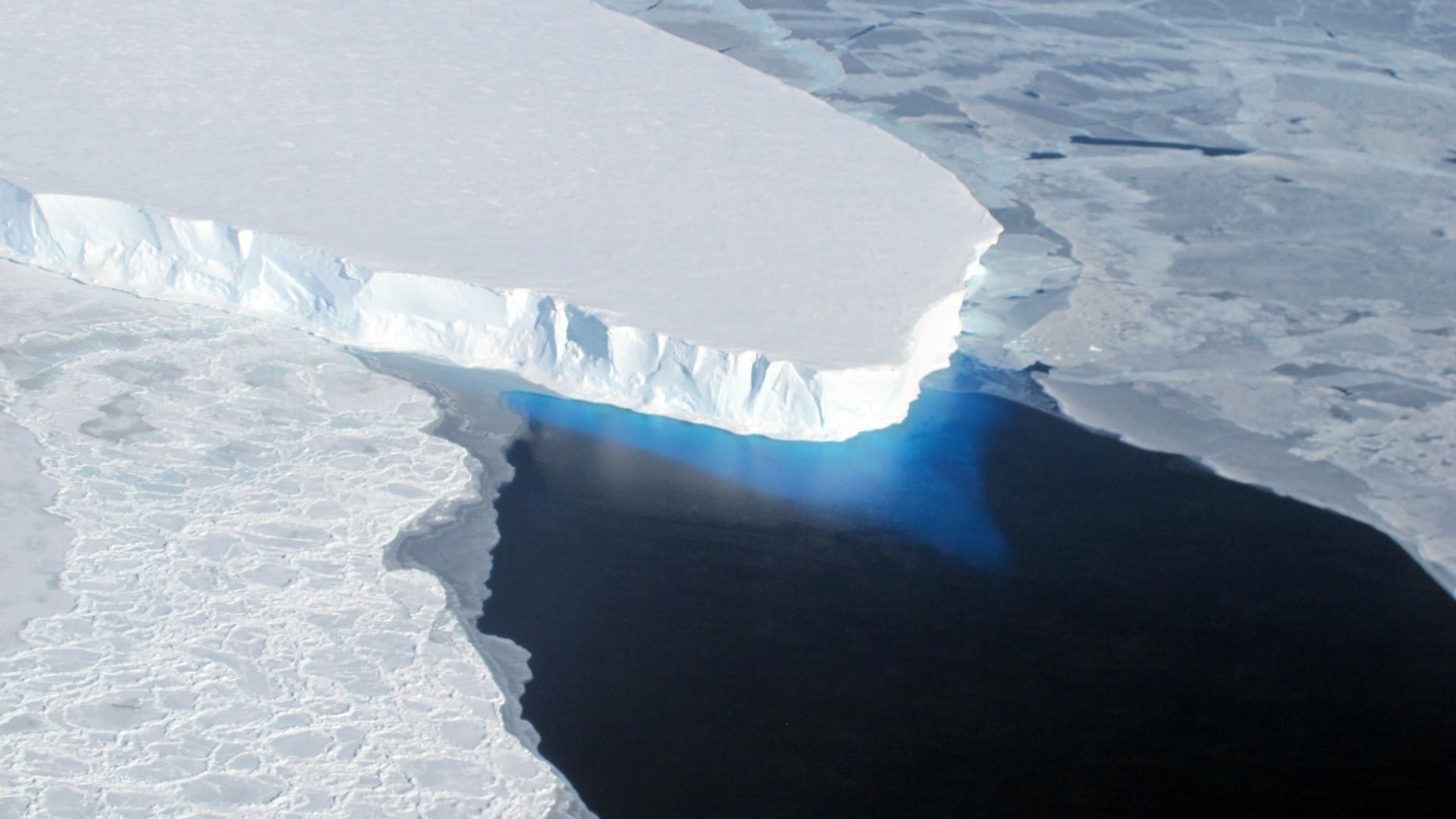
Antarctica's Thwaites 'Doomsday Glacier' faces imminent ice shelf loss, accelerating sea-level rise threat
Antarctica's Thwaites Glacier (the "Doomsday Glacier") is about to lose its eastern ice shelf, accelerating its destabilization. The glacier
livescience.com·4d ago
Indonesia's last tropical glaciers lose 95% of ice since 2002, expedition finds
An expedition to document the last tropical glaciers in Oceania on Puncak Jaya, West Papua, Indonesia, has revealed that the "eternity glaci
 theguardian.com·5d ago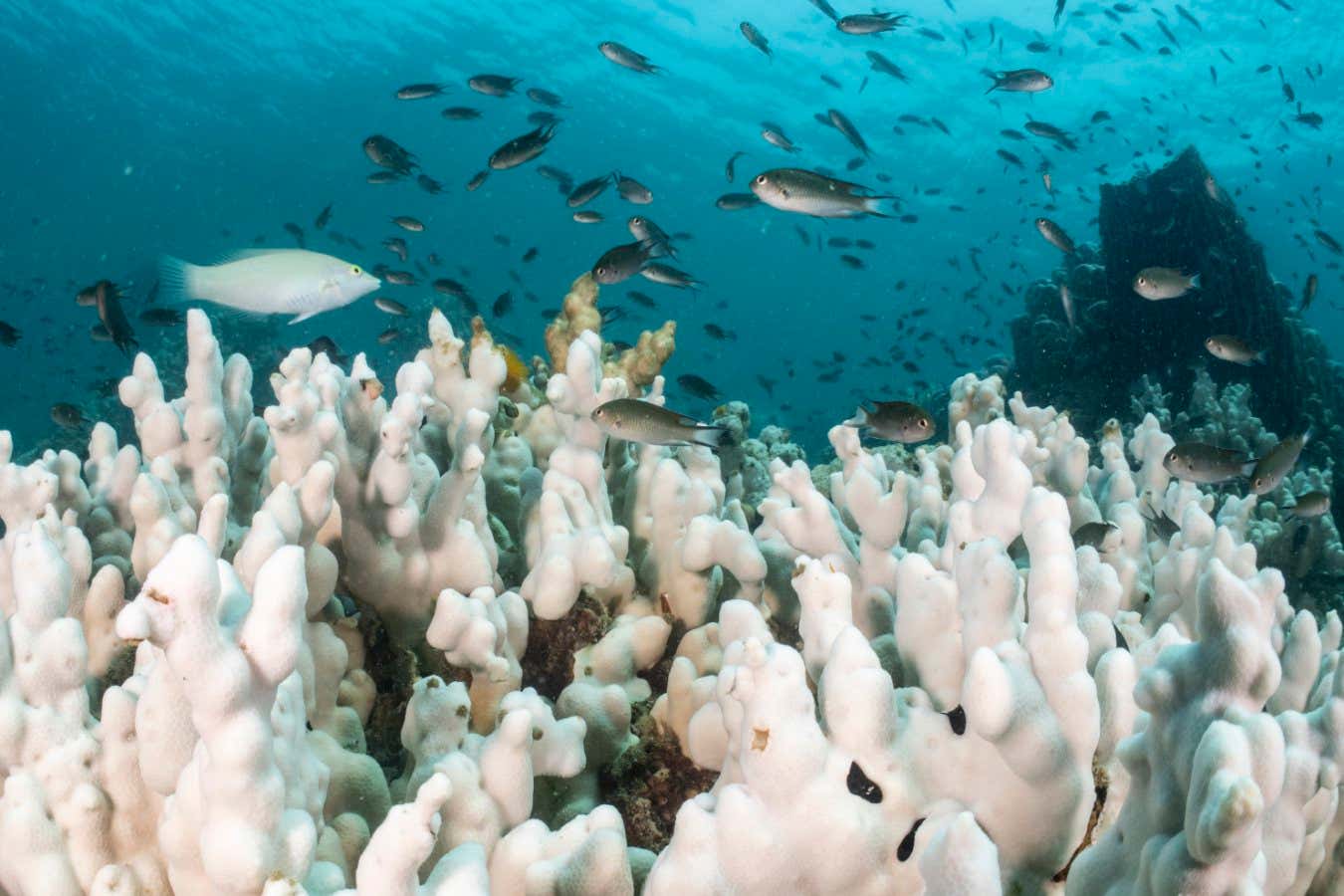
Global warming rate has doubled since 2014, analysis finds
Global warming has accelerated to twice the rate of previous decades, now heating at about 0.36°C per decade since 2014 compared to 0.18°C p
 newscientist.com·10d ago