





















Africa's Forests Shift from Carbon Sink to Carbon Source Due to Tropical Deforestation
By
PaulHoule

Crackling crust, pillowy middle. The kind of bagel that earns a second cup of coffee.
Summary
A scientific study reveals that Africa's forests have transitioned from a carbon sink to a carbon source between 2010 and 2017, primarily due to deforestation in tropical moist broadleaf forests. Using high-resolution satellite data and machine learning, researchers found that while Africa gained 439 Tg/yr of aboveground biomass from 2007-2010, it lost 132 Tg/yr from 2010-2015 and 41 Tg/yr from 2015-2017. Savanna biomass gains partially offset losses, likely due to shrub encroachment. The findings highlight the urgent need for stronger climate policies to protect natural carbon sinks.
Key quotes
· 5 pulledAfrica's ecosystems play a pivotal role in the global carbon cycle, contributing approximately 20% of global carbon removals through terrestrial net primary production
Our novel analysis reveals a critical transition from a carbon sink to a carbon source between 2010 and 2017
Between 2007 and 2010, the continent gained 439 ± 66 Tg yr⁻¹ of aboveground biomass, but from 2010 to 2015 biomass declined by −132 ± 20 Tg yr⁻¹
Primarily driven by deforestation in tropical moist broadleaf forests
Our findings underline the urgent need for implementing policies to halt global deforestation as required by the Glasgow Leaders Declaration to close the global emissions gap
You might also wanna read

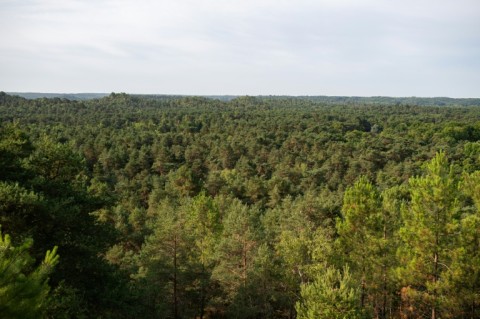
Europe's forests struggle to survive as climate-driven heatwaves intensify
The article reports on how Europe's forests are suffering from climate-driven heatwaves and drought, using the example of a dying oak tree i
 enca.com·2d ago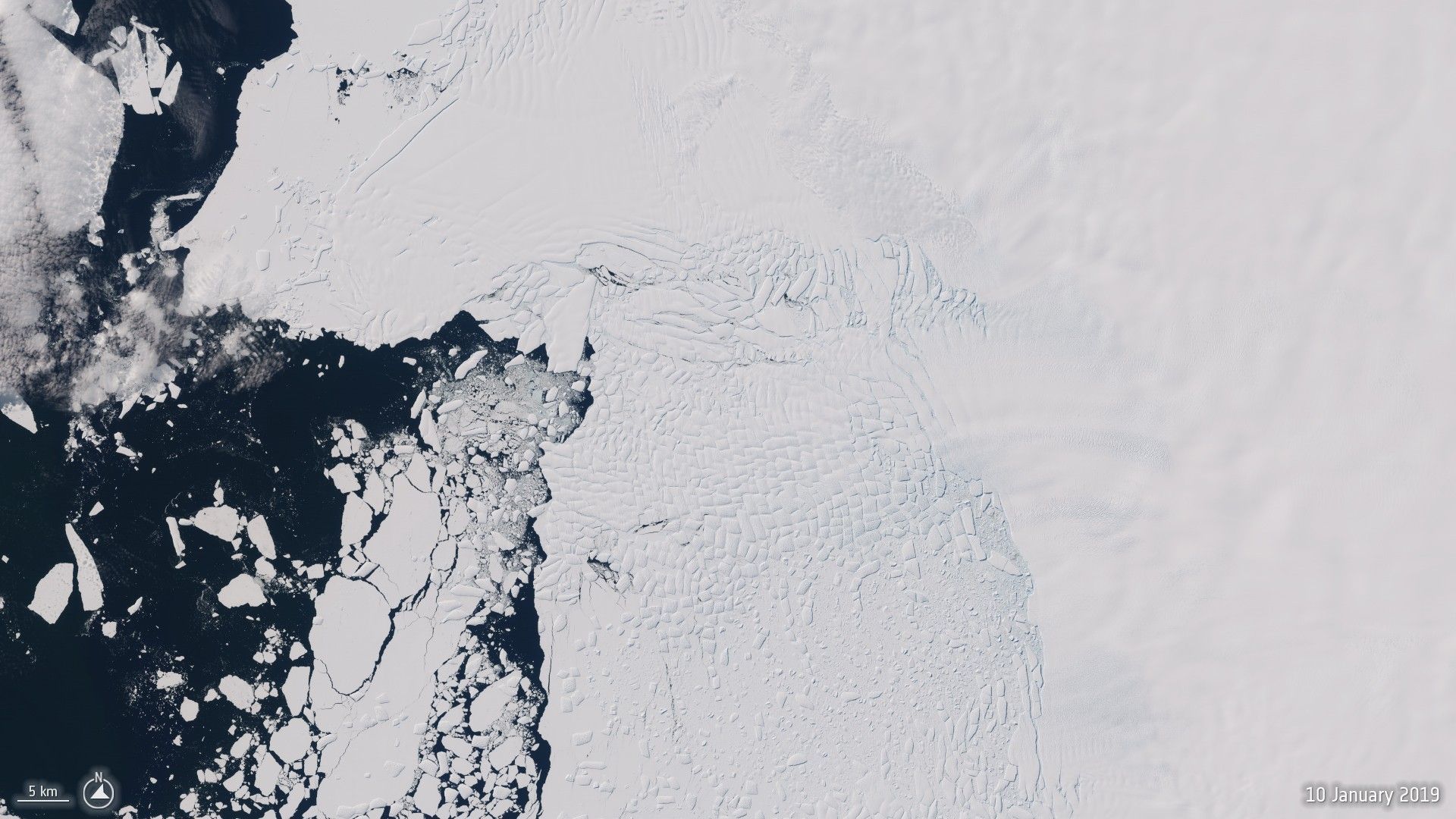
Thwaites 'Doomsday Glacier' expected to lose protective ice shelf this year, threatening global sea level rise
Antarctica's Thwaites Glacier, known as the "Doomsday Glacier," is expected to lose its eastern ice shelf this year, which protects it from
 livescience.com·3d ago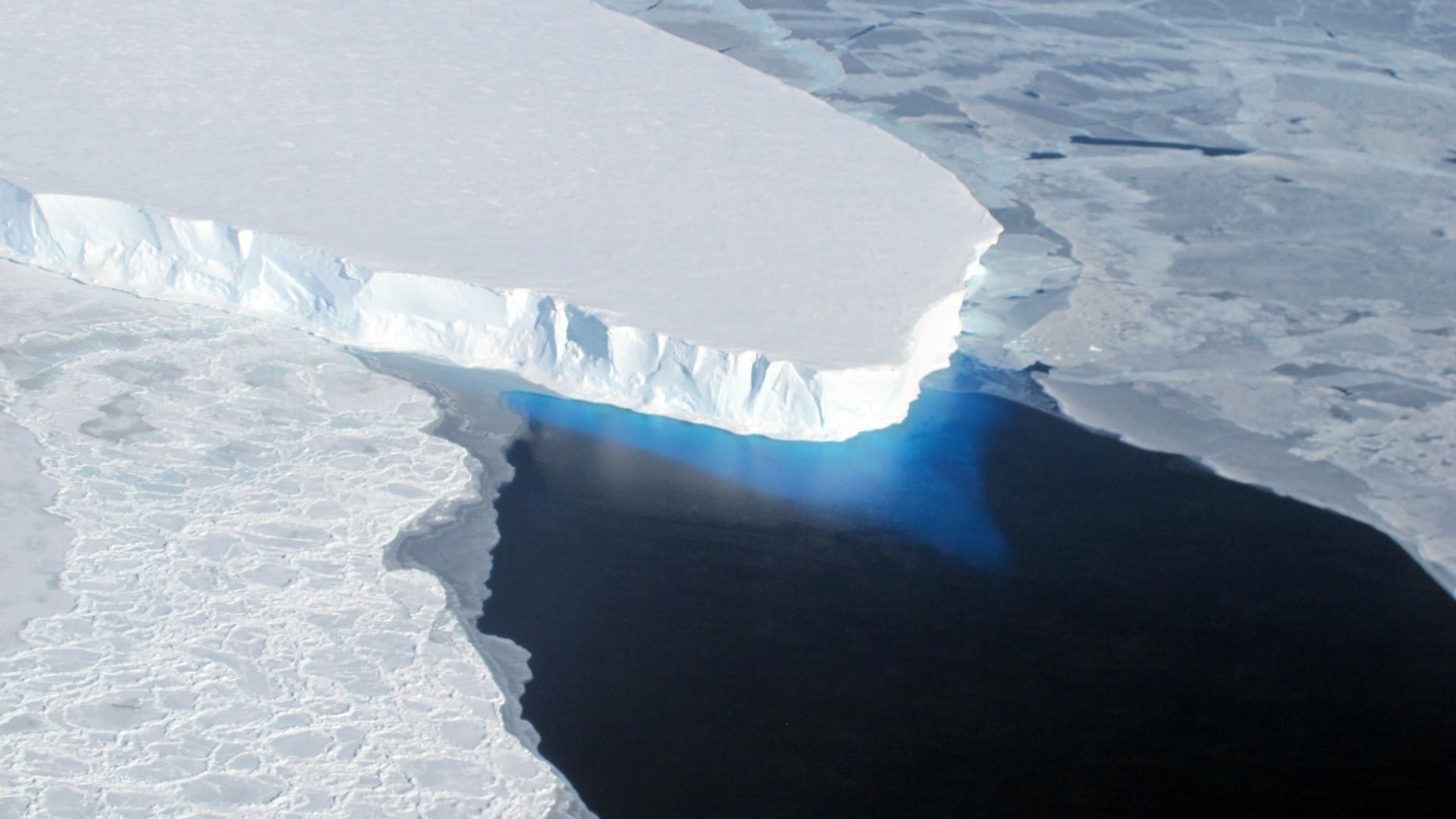
Antarctica's Thwaites 'Doomsday Glacier' faces imminent ice shelf loss, accelerating sea-level rise threat
Antarctica's Thwaites Glacier (the "Doomsday Glacier") is about to lose its eastern ice shelf, accelerating its destabilization. The glacier
livescience.com·4d ago
Indonesia's last tropical glaciers lose 95% of ice since 2002, expedition finds
An expedition to document the last tropical glaciers in Oceania on Puncak Jaya, West Papua, Indonesia, has revealed that the "eternity glaci
 theguardian.com·5d ago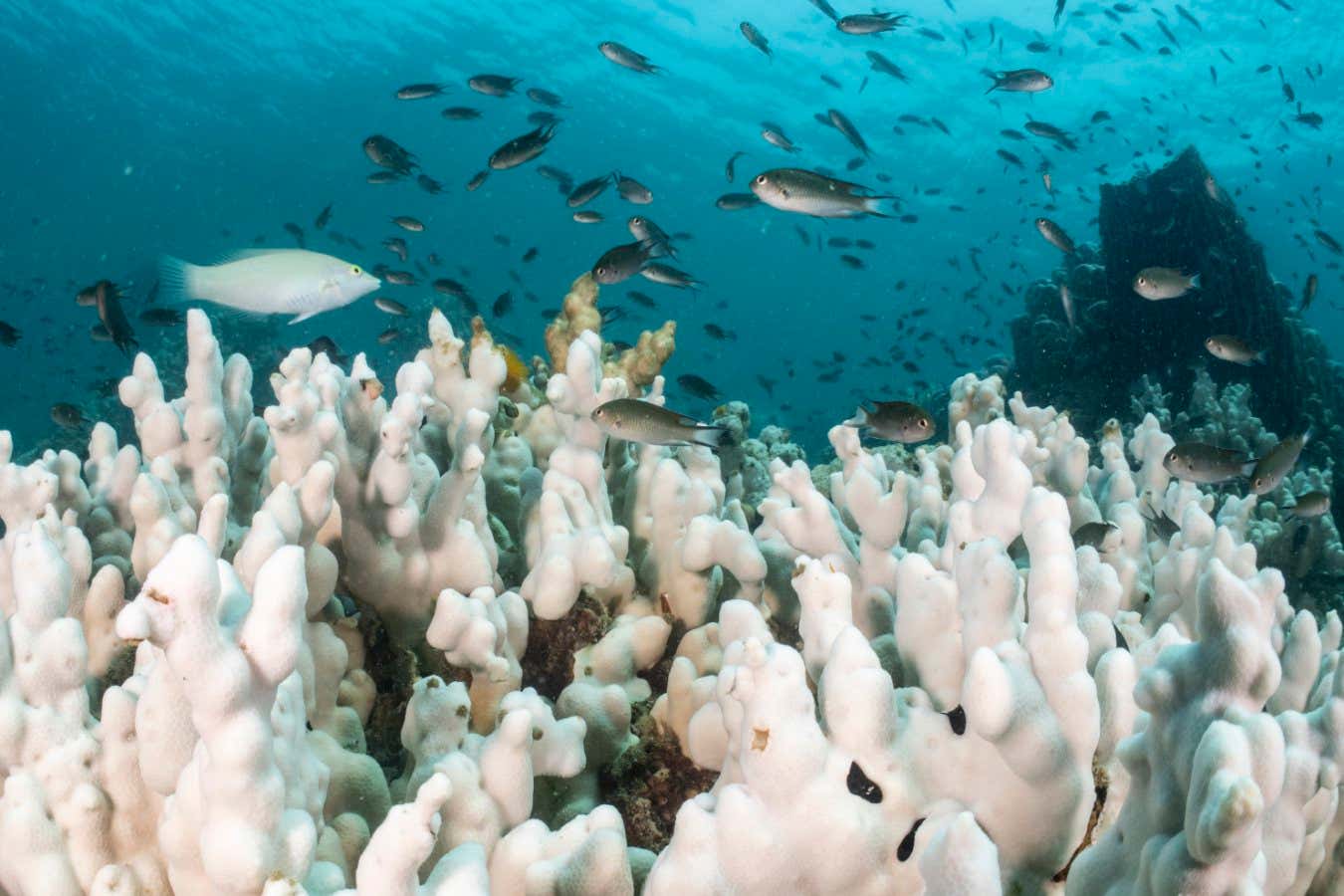
Global warming rate has doubled since 2014, analysis finds
Global warming has accelerated to twice the rate of previous decades, now heating at about 0.36°C per decade since 2014 compared to 0.18°C p
 newscientist.com·11d ago
Study warns New Orleans faces 'point of no return' from sea-level rise, urges immediate relocation planning
A new study warns that New Orleans has reached a 'point of no return' due to climate crisis-driven sea-level rise and wetland erosion, predi
theguardian.com·27d ago