





















Study warns New Orleans faces 'point of no return' from sea-level rise, urges immediate relocation planning
By
Oliver Milman

Kettled twice. Extra chewy, extra trustworthy.
Summary
A new study warns that New Orleans has reached a 'point of no return' due to climate crisis-driven sea-level rise and wetland erosion, predicting the city could be surrounded by the Gulf of Mexico before the end of this century. The research concludes that relocation efforts must begin immediately as southern Louisiana faces multiple environmental threats that will make the area increasingly uninhabitable within generations.
Key quotes
· 3 pulledThe process of relocating people from New Orleans should start immediately, as the city has reached a 'point of no return'
The city may well be surrounded by the Gulf of Mexico before the end of this century
Ongoing sea-level rise and the rampant erosion of wetlands in southern Louisiana will swallow up the New Orleans area within a few generations
You might also wanna read

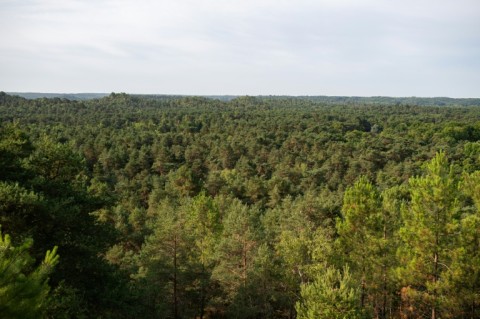
Europe's forests struggle to survive as climate-driven heatwaves intensify
The article reports on how Europe's forests are suffering from climate-driven heatwaves and drought, using the example of a dying oak tree i
 enca.com·2d ago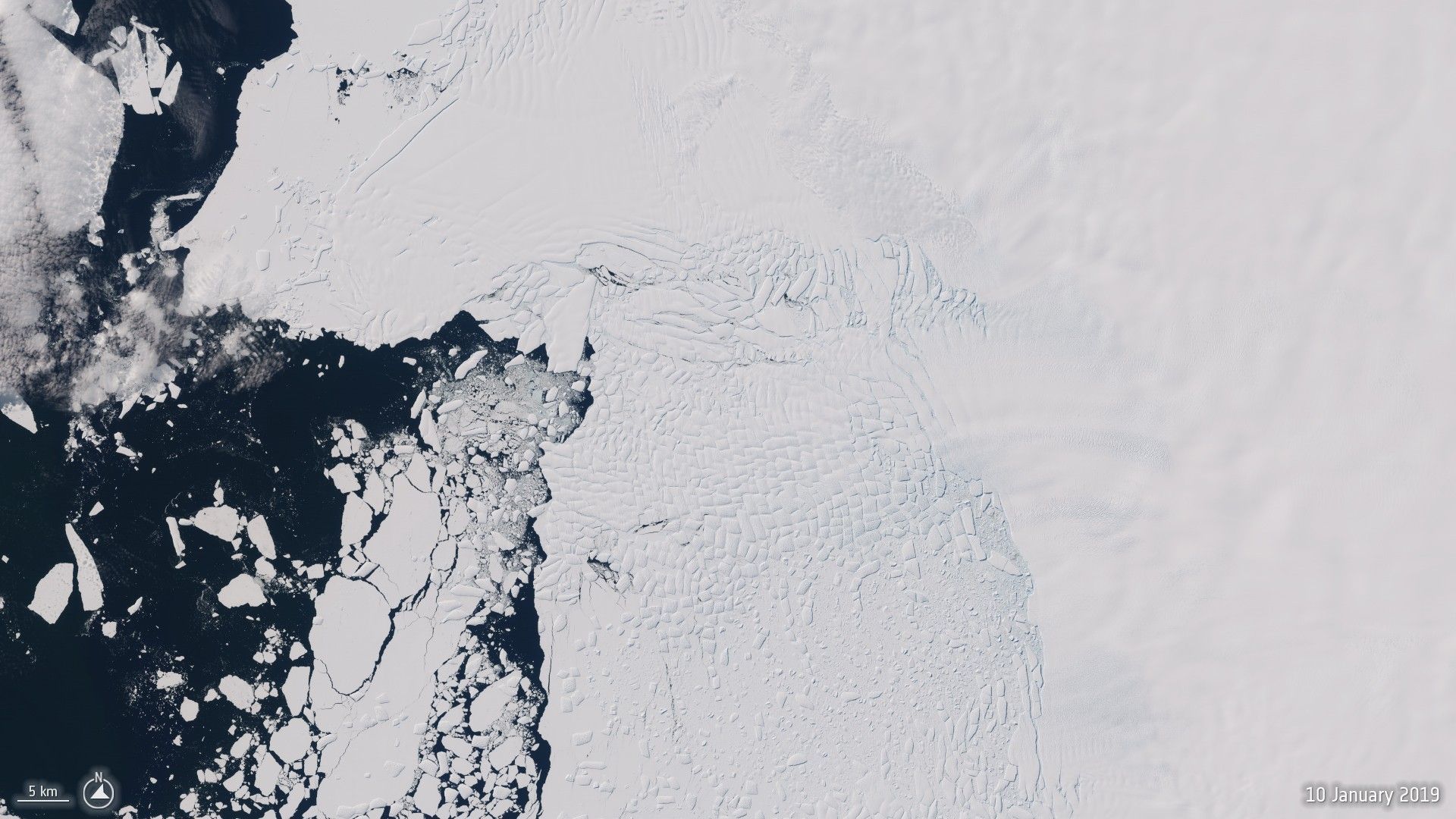
Thwaites 'Doomsday Glacier' expected to lose protective ice shelf this year, threatening global sea level rise
Antarctica's Thwaites Glacier, known as the "Doomsday Glacier," is expected to lose its eastern ice shelf this year, which protects it from
 livescience.com·3d ago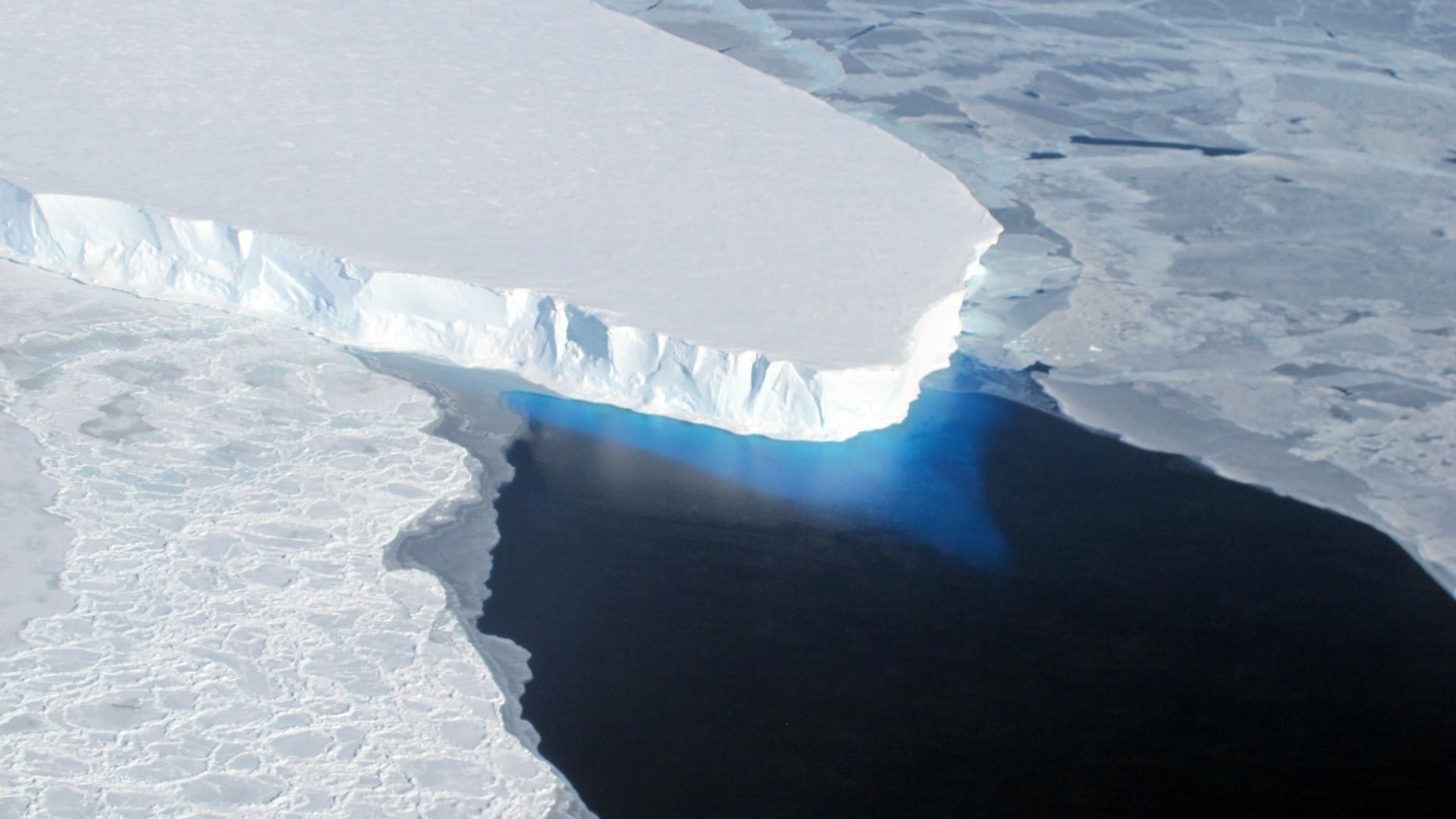
Antarctica's Thwaites 'Doomsday Glacier' faces imminent ice shelf loss, accelerating sea-level rise threat
Antarctica's Thwaites Glacier (the "Doomsday Glacier") is about to lose its eastern ice shelf, accelerating its destabilization. The glacier
livescience.com·4d ago
Indonesia's last tropical glaciers lose 95% of ice since 2002, expedition finds
An expedition to document the last tropical glaciers in Oceania on Puncak Jaya, West Papua, Indonesia, has revealed that the "eternity glaci
 theguardian.com·5d ago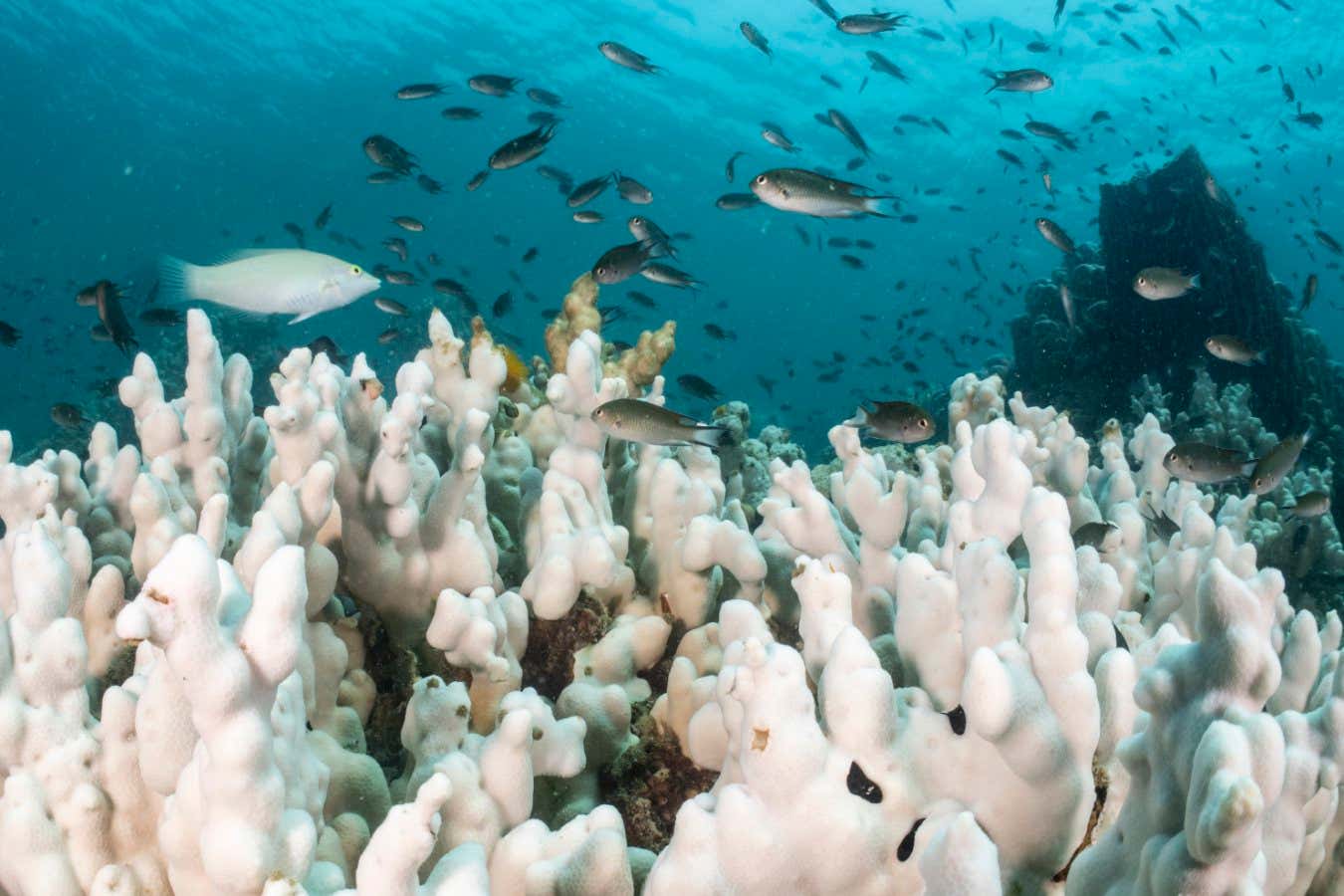
Global warming rate has doubled since 2014, analysis finds
Global warming has accelerated to twice the rate of previous decades, now heating at about 0.36°C per decade since 2014 compared to 0.18°C p
 newscientist.com·11d ago
2025 Ranked as Third Hottest Year on Record, Showing Accelerated Global Warming
The article reports that 2025 was the third hottest year on record despite conditions that should have made it relatively cool. Climate moni
 economist.com·4mo ago