
























Fossil analysis shows flowering plants used dinosaurs to spread seeds 74 million years ago
By
Jake Buehler
Summary
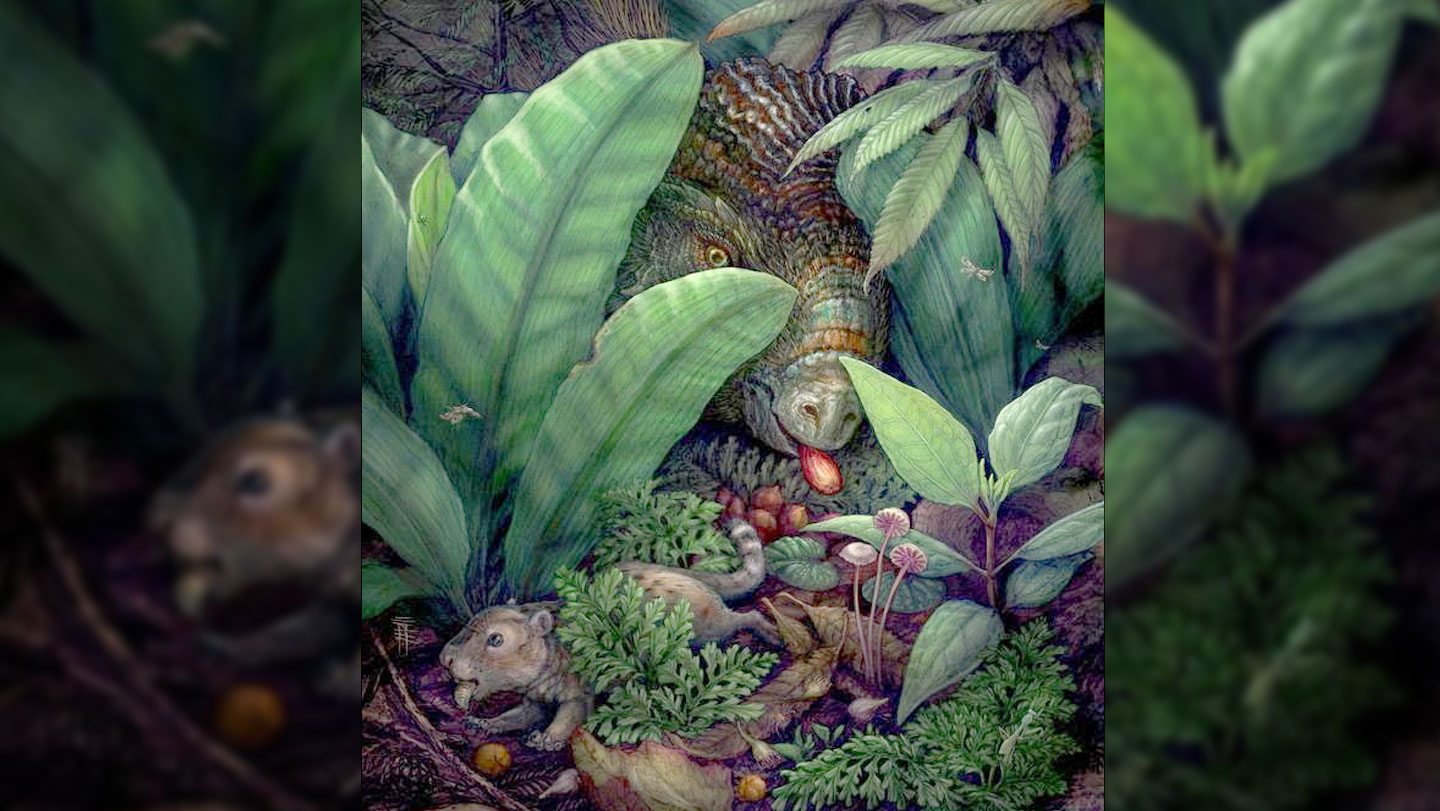
A fossil analysis reveals that flowering plants (angiosperms) produced fleshy, blueberry-sized fruits and winged seeds over 74 million years ago, during the late Cretaceous period. This challenges the long-held scientific belief that angiosperms only began using animals to disperse their seeds after the dinosaurs went extinct. The findings suggest that dinosaurs and extinct rodentlike mammals may have eaten these fruits and helped spread the plants' seeds, indicating a more complex ecological relationship between early flowering plants and vertebrates than previously understood.
Source
 Twitter / XFossil analysis shows flowering plants used dinosaurs to spread seeds 74 million years agosciencenews.org
Key quotes
· 3 pulledFruit salad may have been on the menu for some dinosaurs.
Over 74 million years ago, there was a richer garden of fruit- and seed-bearing plants than scientists thought.
A fossil analysis suggests that tall forest trees spread winged seeds and fed animals with fleshy, blueberry-sized fruits long before the reign of the dinosaurs ended.
You might also wanna read


Ancient Foods Still Eaten Today: Exploring 100-Million-Year-Old Edibles
The article explores ancient foods that have survived for millions of years and are still consumed today, inspired by the Ginkgo biloba tree

2,000-year-old grape seeds from Tuscan wells reveal Roman Empire's role in shaping modern wine
Scientists analyzing 2,000-year-old grape seeds recovered from ancient wells in Tuscany have mapped the most extensive genetic history of an
 york.ac.uk·11d ago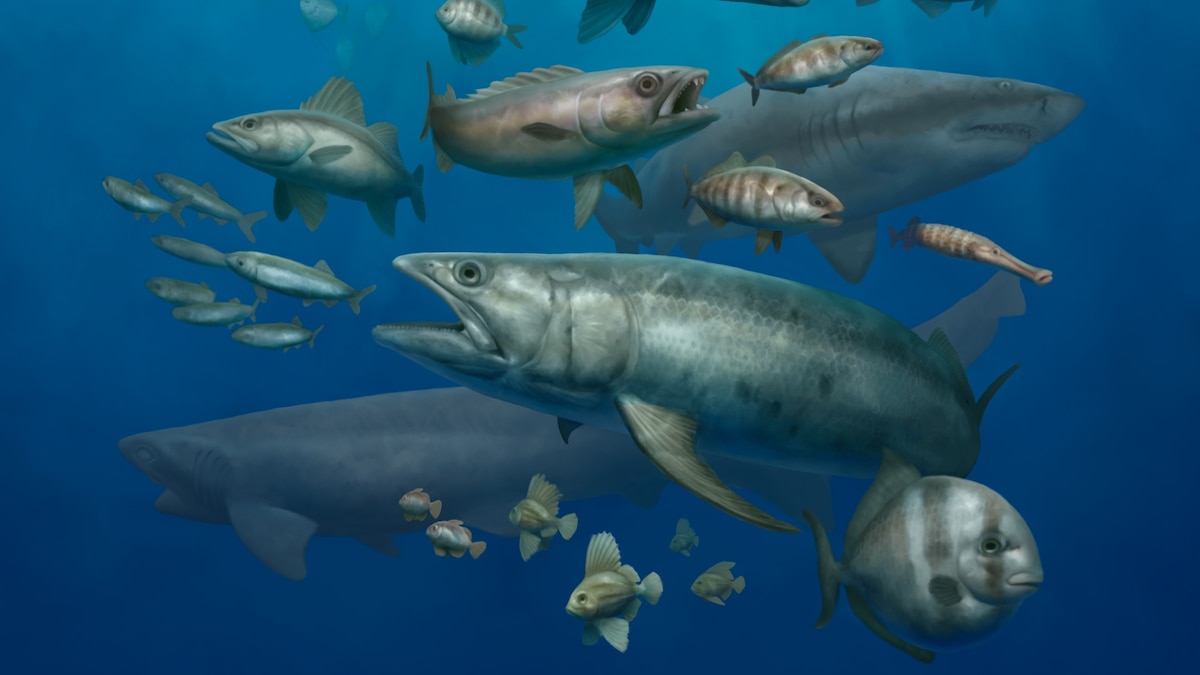
Egyptian fossil discovery reveals how fish rebounded after dinosaur-killing asteroid
Paleontologists in Egypt have discovered a remarkable cache of nearly 500 fossilized fish specimens from over 20 species, dating back 62.2 m
 nationalgeographic.com·21d ago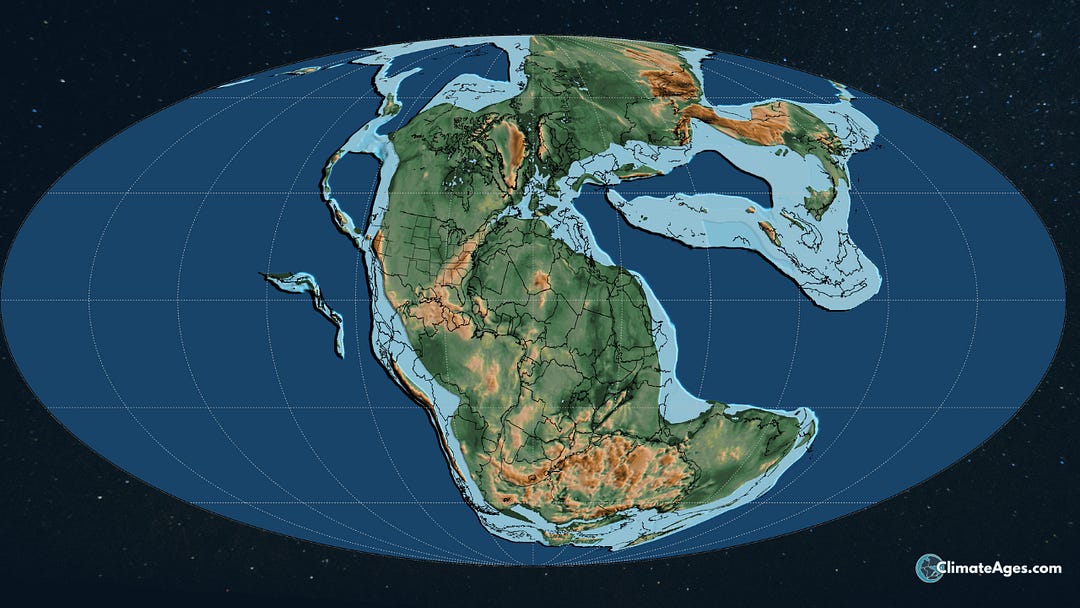
New evidence suggests ocean changes preceded the end-Triassic mass extinction by millions of years
New evidence suggests that the end-Triassic mass extinction (201 million years ago), which paved the way for dinosaurs to become dominant, m
 climateages.substack.com·24d ago
Archaeological Study Reveals Complex Plant-Based Diets of Prehistoric Europeans Through Pottery Residue Analysis
Archaeological research analyzing pottery residues from prehistoric European sites reveals complex plant-based diets and cooking practices.
 arstechnica.com·3mo ago
Evolutionary history of root systems in land plants: from rhizoids to modern adaptations
This review article by Lakehal et al. traces the evolutionary history of root systems in land plants, from the first colonization of terrest
Comments
Sign in to join the conversation.
No comments yet. Be the first.